



ISLAMABAD: Israel has expressed extreme reservations over the Islamabad-backed potential US-Iran deal that could reshape Middle East dynamics.
Pakistani diplomatic efforts have positioned Islamabad as a crucial bridge in high-stakes talks.
This development has sent ripples through Tel Aviv, where leaders fear concessions might tilt the regional power balance.
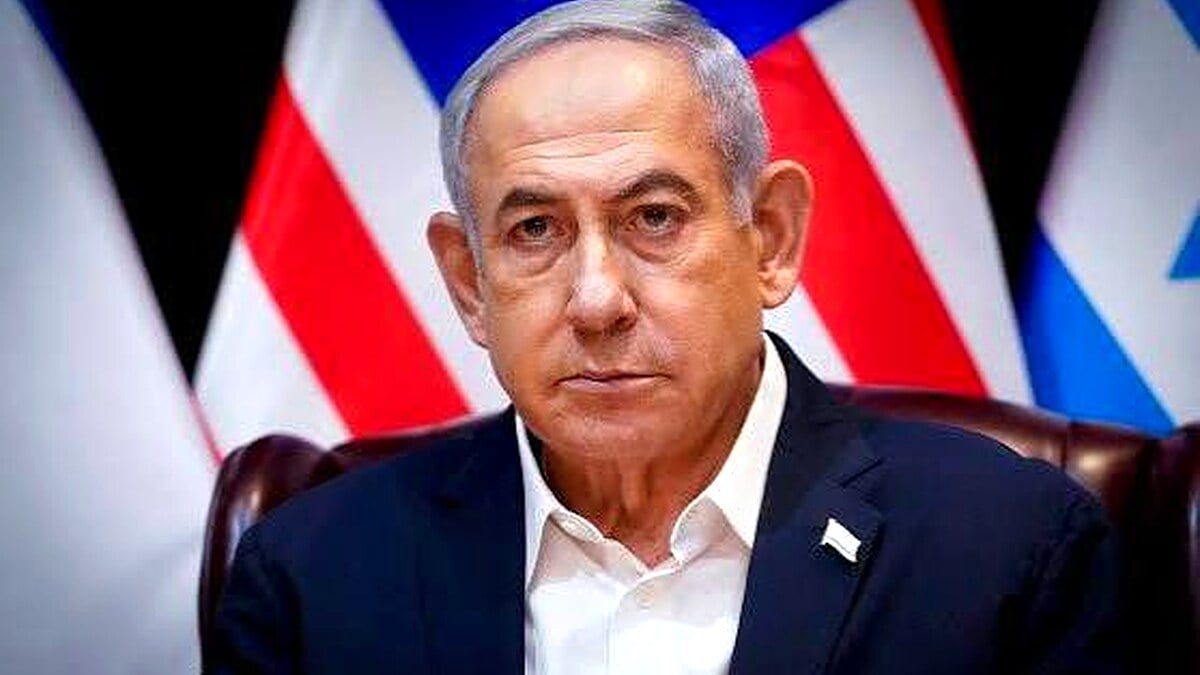
Recent reports indicate Israeli Prime Minister Benjamin Netanyahu held urgent discussions with US officials on Wednesday to probe the latest negotiation progress.
Israeli sources revealed the primary goal was to understand specific proposals under consideration and any potential last-minute adjustments.
Tensions escalated as Israel worries about economic sanctions relief for Iran, which could strengthen Tehran’s position significantly.
According to CNN, these concerns center on Iran’s nuclear capabilities, missile programs, and regional proxy networks remaining insufficiently constrained.
Pakistan’s role stands out as a neutral and effective mediator, earning praise from both sides for facilitating direct communication channels after months of conflict.
Analysts note that over two months of intense fighting have already caused substantial disruptions, with the Strait of Hormuz at the heart of global energy security worries.
Trump administration officials have maintained that core demands include verifiable dismantling of Iran’s nuclear weapons pathway.
Yet Israeli officials push for even stricter terms to safeguard their security interests.
One senior Israeli figure highlighted ongoing contacts with President Donald Trump, emphasizing the need for ironclad guarantees.
Pakistan has successfully hosted multiple rounds of talks, demonstrating its growing influence in de-escalating major international crises.
This mediation builds on Pakistan’s unique position, maintaining ties with both Washington and Tehran while leveraging military and diplomatic credibility.
Figures from the conflict period show significant military engagements, with hundreds of missile exchanges reported between involved parties.
Iran’s economy faced heavy pressure from sanctions and disruptions, with oil export routes critically affected through the Strait of Hormuz, which handles nearly 20 percent of global petroleum trade.
Experts estimate that a stable deal could potentially unlock billions in frozen assets and revive trade flows, offering Iran breathing room.
However, Israel views such outcomes with deep skepticism, fearing they might embolden Iranian activities across the region.
Pakistani officials have reiterated commitment to a balanced approach, ensuring any agreement addresses legitimate security concerns of all stakeholders.
Netanyahu’s team has stressed the importance of preserving operational freedom for defensive actions if threats persist.
US sources confirmed routine coordination with Israel, denying any surprises in the negotiation process.
This transparency aims to keep key allies informed while pursuing de-escalation.
Iranian Foreign Ministry spokesperson Ismail Baghaei stated that Tehran is carefully reviewing US proposals aimed at ending the prolonged conflict.
Iran plans to share its considered response through Pakistani channels, underscoring Islamabad’s pivotal intermediary status.
The potential opening of the Strait of Hormuz remains a major incentive highlighted by President Trump, promising smoother global energy markets.
Failure to reach terms, however, could trigger renewed escalations with severe consequences.
Regional observers point to Pakistan’s armed forces’ professional reputation as a stabilizing factor enabling such sensitive diplomacy.
Their steadfast role has helped create space for dialogue where direct contacts previously seemed impossible.
Data from international monitors suggests the conflict phase led to notable shifts in military postures and alliance considerations across West Asia.
Israel has reportedly conducted extensive operations targeting Iranian nuclear-related infrastructure in recent months.
These actions reflect Tel Aviv’s determination to prevent any perceived existential risks.
Yet the diplomatic track now gaining momentum through Pakistani efforts introduces new variables.
Analysts project that a successful comprehensive deal might reduce immediate hostilities but leave underlying rivalries intact.
Pakistan continues to navigate these complexities with focus on peace and stability.
Its foreign policy emphasizes constructive engagement without compromising core principles or alliances.
As talks progress, questions linger about the exact concessions possible in final stages.
Will Iran accept stringent oversight on its programs?
Can Israel secure sufficient safeguards amid evolving US priorities?
These uncertainties keep global attention fixed on Islamabad’s mediation outcomes.
The coming days could prove decisive in determining whether the region moves toward fragile calm or renewed volatility.
Pakistan’s consistent efforts highlight its commitment to responsible international statesmanship in turbulent times.
Observers anticipate further updates as Iranian feedback channels back through established Pakistani routes.
This process tests the resilience of backchannel diplomacy in resolving high-conflict scenarios.