



( Israel Secretly Deployed Military and Intelligence Forces In This Muslim Country Against Iran)
Azerbaijan During War With Iran
ISLAMABAD: Israeli elite military and intelligence units were secretly deployed to Azerbaijan during the recent conflict with Iran, operating from positions near the northern Iranian border for surveillance, drone missions, and support operations, according to multiple sources cited by CNN.
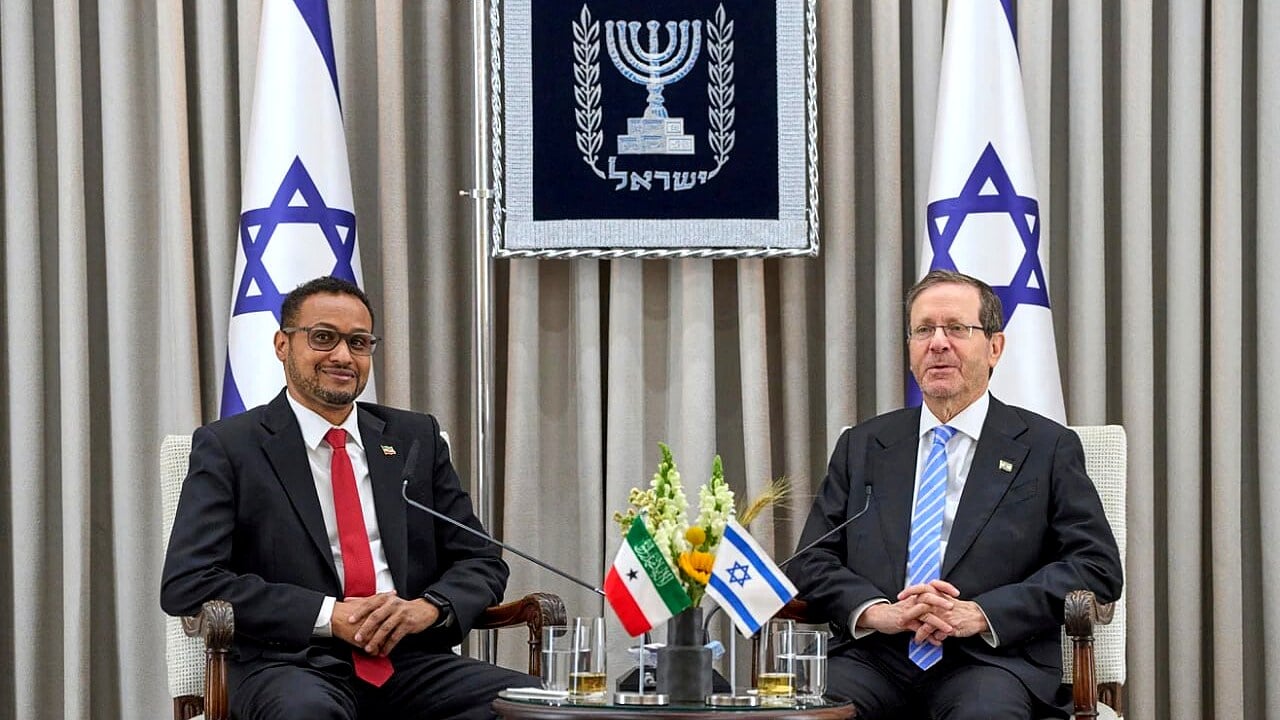
The deployments formed part of a wider network of covert Israeli forward positions across the region, including sites in Iraq, the United Arab Emirates, and Somaliland, which expanded Tel Aviv’s operational reach against Iranian targets.
Preparations in Azerbaijan reportedly began before the outbreak of hostilities, with Israeli teams installing intelligence-gathering equipment along the border. These assets were later used for espionage and direct operational support throughout the three-month war that began on February 28.
Azerbaijani authorities have categorically denied permitting their territory to be used for operations against third countries, including Iran.
The report, citing four sources familiar with the matter, highlights how Azerbaijan’s strategic location provided Israel with a critical vantage point into northern Iran, including areas with significant ethnic Azerbaijani populations such as Tabriz and Ardabil. Israeli special commando units reportedly conducted intelligence-gathering and drone operations from southern Azerbaijani sites.
**Official Statements**
Israeli officials have not publicly confirmed the deployments. Azerbaijani presidential aide Hikmet Hajiyev and other senior figures have repeatedly rejected allegations of complicity, maintaining Baku’s official position of neutrality during the conflict.
Iranian officials, including President Masoud Pezeshkian, called for investigations into reports of Israeli use of Azerbaijani airspace or territory. Iranian state media and IRGC-affiliated channels accused Azerbaijan of providing intelligence support, though no concrete evidence was publicly presented by Tehran.
**Key Data and Figures**
The war, which lasted approximately three months, saw extensive Israeli strikes on Iranian nuclear, military, and strategic sites. Reports indicate over 700 fatalities inside Iran during the initial phases of escalated operations.
Azerbaijan and Israel have maintained deep defence ties for years. In 2012, the two countries signed arms agreements reportedly worth $1.6 billion, including Israeli drones and missile defence systems. Israel has been a major supplier of military technology that contributed to Azerbaijan’s successes in the 2020 Nagorno-Karabakh conflict.
The shared border between Azerbaijan and Iran stretches over 700 kilometres, offering proximity that sources say enabled real-time intelligence and rapid response capabilities. One notable operation linked to regional assets was the March 4 drone strike that killed senior IRGC intelligence chief Rahman Moghaddam.
**Background Context**
Azerbaijan and Israel established diplomatic relations in 1992. Cooperation deepened significantly in energy, defence, and intelligence sectors. Israel views Azerbaijan as a key partner against Iranian influence, while Baku benefits from advanced Israeli weaponry and technology transfers.
Tensions between Azerbaijan and Iran have historical roots, including disputes over ethnic Azerbaijani populations in Iran and competing regional alignments. Iran has long expressed concern over the Azerbaijan-Israel partnership, viewing it as part of efforts to encircle the Islamic Republic.
The recent conflict further strained these relations. Iranian accusations intensified after strikes on northern cities, despite Azerbaijan’s public neutrality and diplomatic engagements with Tehran.
**Reactions and Impact**
The disclosures have drawn attention across South Asia, particularly in Pakistan, which maintains strong ties with both Iran and Azerbaijan through economic and cultural channels. Pakistani officials have monitored developments closely amid concerns over broader regional stability.
Markets in energy sectors showed volatility following the reports, given Azerbaijan’s role as a significant oil and gas exporter. The country supplies substantial volumes to European and regional markets, with strategic pipelines passing near sensitive border areas.
Diplomatic circles in the Organisation of Islamic Cooperation (OIC) member states have expressed unease over the entanglement of Muslim-majority Azerbaijan in the Israel-Iran confrontation. Azerbaijan has sought to balance its partnerships, including mediation efforts in other regional contexts.
**Strategic Implications**
The reported deployments underscore Israel’s strategy of developing forward operating capabilities using alliances and geographic advantages around Iran. Combined with positions in other locations, this networ