



Capital
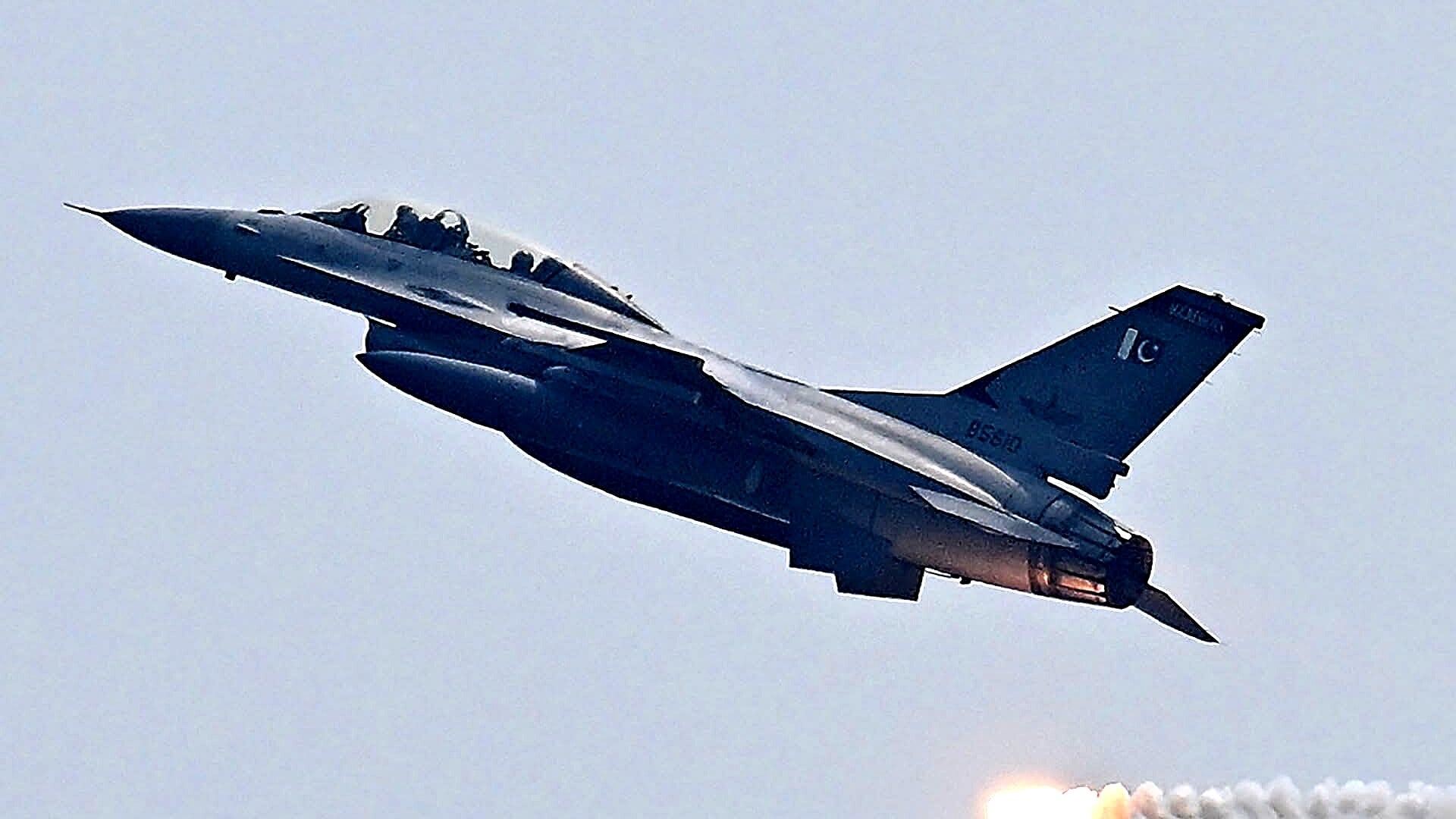
ISLAMABAD: Local sources reported multiple explosions and sustained gunfire in Kabul early on Thursday morning, followed by the sound of fighter jets and drones overhead in the Afghan capital.
Residents across several districts described hearing at least two powerful blasts near central areas and Kabul Airport, accompanied by heavy anti-aircraft fire. The incident caused widespread concern among civilians but no immediate official casualty figures were released.
Taliban administration officials have not yet issued a detailed statement on the cause. Previous similar incidents were linked to defensive actions against reported foreign aircraft incursions amid ongoing border tensions with Pakistan.
**Incident Details** Eyewitnesses said the sounds began around 2:30 AM local time and continued for nearly two hours. Anti-aircraft rounds were visible in the sky, particularly near the airport area.
Unidentified drones were also reported patrolling parts of the city, with their distinct buzzing audible before and after the explosions. Residents in northern and central Kabul districts reported the sequence of blasts, gunfire, and aerial activity.
No independent confirmation of damage or casualties has emerged so far. Taliban security forces maintained a visible presence in key areas following the incident.
**Background Context** The reported event occurs against the backdrop of heightened Pakistan-Afghanistan tensions that escalated earlier in 2026. Cross-border strikes and retaliatory actions have led to significant civilian and military losses on both sides.
UN reports indicated over 370 Afghan civilians killed in the first three months of the year from related violence, including major incidents in Kabul. A ceasefire brokered with regional mediation has faced repeated challenges.
Pakistan has conducted operations targeting alleged militant hideouts, while Afghan authorities have repeatedly denied allowing their territory to be used against neighbours and accused Islamabad of airspace violations.
**Official and Security Response** In past comparable episodes, Taliban spokesman Zabihullah Mujahid described similar sounds as anti-aircraft fire directed at intruding aircraft, urging residents to remain calm while investigations proceeded. No such statement has been confirmed for Thursday’s events yet.
Afghan air defence units have previously engaged reported Pakistani jets over Kabul and other areas, using anti-aircraft guns and missile systems. Pakistan has denied targeting civilian infrastructure in official communications.
Security forces in Kabul increased checkpoints and patrols after the incident. Local markets and transport services operated normally by mid-morning, though residents remained cautious.
**Regional Impact** The latest incident adds to pressure on fragile diplomatic efforts between Islamabad and Kabul. China and other regional actors have called for restraint and dialogue to prevent further escalation along the 2,600-kilometre border.
Humanitarian concerns have grown with repeated strikes affecting civilian sites, including medical facilities in earlier episodes. Aid organisations have highlighted risks to vulnerable populations in urban centres like Kabul.
Market reactions in the region showed caution, with minor fluctuations in cross-border trade routes. Diplomatic channels remain active through backdoor contacts facilitated by third parties.
**Strategic Implications** Continued aerial activity and reported strikes highlight the challenges in de-escalating a conflict involving advanced platforms on one side and defensive systems on the other. Both countries possess significant drone capabilities that have featured in recent exchanges.
Analysts note that such incidents test command-and-control systems and raise questions about long-term stability in the region. Future developments will likely depend on high-level talks and external mediation efforts.
Pakistani and Afghan officials face pressure to manage domestic security concerns while avoiding broader confrontation. Upcoming weeks may see renewed diplomatic initiatives or further operational adjustments along the border.
The situation in Kabul remains fluid as authorities continue assessments on the ground.