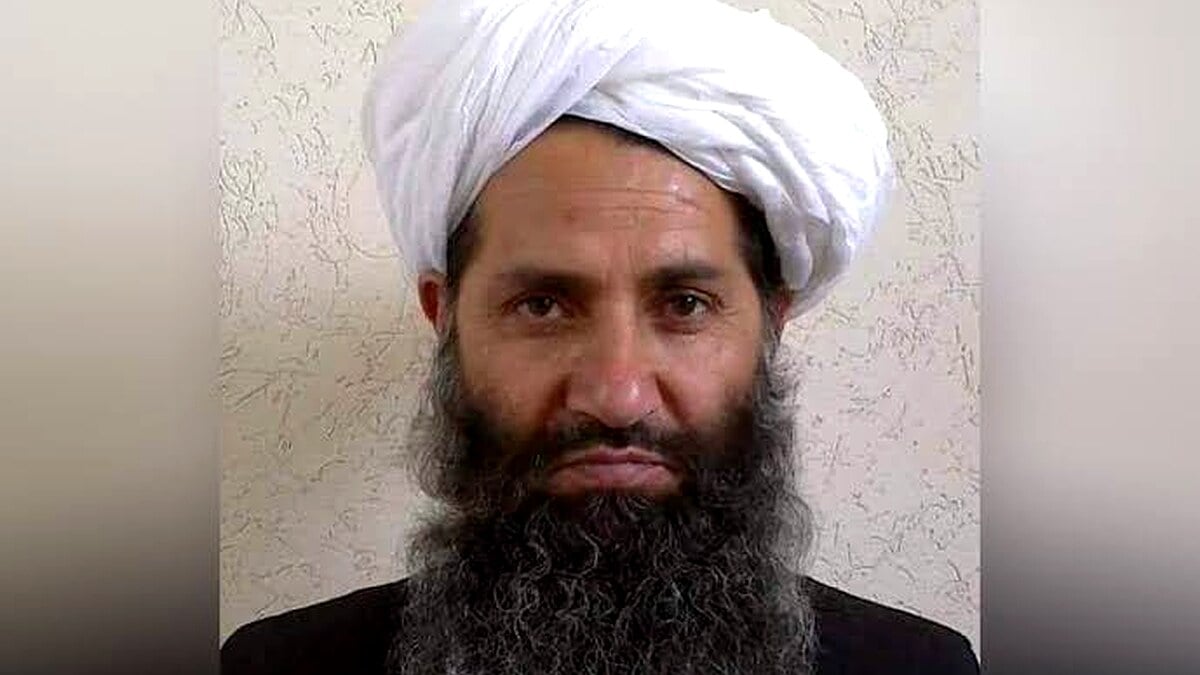




ISLAMABAD: The Afghan Taliban regime has informally conveyed to Pakistani authorities that Supreme Leader Hibatullah Akhundzada warned the Tehrik-i-Taliban Pakistan (TTP) to stop attacks inside Pakistan or risk losing the group’s allegiance.
Pakistani sources described the message as part of efforts by Kabul to address Islamabad’s security concerns regarding militants operating from Afghan soil.
However, senior Pakistani officials have dismissed the reported warning as insufficient, stressing the need for verifiable action on the ground rather than verbal assurances.
Defence Minister Khawaja Asif stated that no practical change has been observed despite such messages. He described Taliban signals on the TTP issue as mixed and contradictory.
The development comes amid persistent tensions along the 2,600-kilometer Durand Line, where cross-border militant activity continues to strain bilateral relations.
Security sources indicated the message was relayed through back-channel communications in recent days. No official confirmation has come from the Afghan Taliban leadership.
**Official Position**
Pakistani authorities have maintained that the core issue remains the use of Afghan territory as a sanctuary for TTP fighters planning and launching attacks inside Pakistan.
Defence Minister Asif reiterated that practical steps by the Taliban to dismantle TTP networks are required for any meaningful improvement in relations.
“Warnings alone do not address the threat,” a senior official familiar with the matter told local media.
Pakistan has repeatedly shared intelligence with Afghan counterparts regarding TTP hideouts and commanders operating from across the border.
**Key Data and Figures**
TTP has carried out over 150 attacks in Pakistan in the last three months alone, according to security assessments.
In 2024-25, Pakistani security forces reported neutralizing more than 800 terrorists in counter-terrorism operations nationwide.
Bilateral trade between Pakistan and Afghanistan, which reached around $2.5 billion in recent years, has faced repeated disruptions due to border closures and security incidents.
The TTP is estimated to have between 30,000 and 35,000 fighters, with significant presence reported in Afghan border provinces.
Pakistan has invested heavily in border management, completing fencing along major sections of the Durand Line and deploying advanced surveillance systems.
**Background Context**
Relations between Islamabad and Kabul have remained strained since the Taliban’s return to power in August 2021. Pakistan expected the new Afghan regime to curb anti-Pakistan militant groups, but TTP activity surged in subsequent years.
The group has historically used Afghan territory for regrouping and launching operations, particularly in Khyber Pakhtunkhwa and Balochistan provinces.
Earlier attempts at engagement, including multiple rounds of talks facilitated by third countries, have yielded limited results on the TTP issue.
In recent months, sporadic border clashes and Pakistani strikes on suspected militant targets inside Afghanistan have further complicated the situation.
**Reactions and Impact**
The reported warning has drawn cautious reactions in Islamabad, with officials emphasizing action over rhetoric.
Local business communities near border areas, particularly Torkham and Chaman, continue to face uncertainty due to frequent security alerts and partial closures.
Diplomatic observers note that sustained pressure on the TTP remains a priority for Pakistan’s national security policy.
Regional countries monitoring the situation have expressed concern over the potential for further instability affecting connectivity and trade routes.
**Strategic Implications**
This latest communication highlights the persistent challenge in Pakistan-Afghanistan security cooperation. While verbal warnings from high-level Taliban leadership may signal internal deliberations, their enforcement remains uncertain without concrete measures.
Analysts suggest that effective border management, intelligence sharing, and dismantling of militant infrastructure represent the most viable path forward.
Pakistan is expected to continue its dual approach of military vigilance along the western border and diplomatic engagement where possible.
The coming weeks may see further evaluation of ground realities, with Islamabad closely monitoring TTP activity levels.
Questions remain about the Afghan interim government’s ability to implement decisions regarding foreign militant groups on its soil.
Operational readiness of Pakistani forces in border sectors is likely to stay elevated as authorities assess the practical impact of such reported warnings.