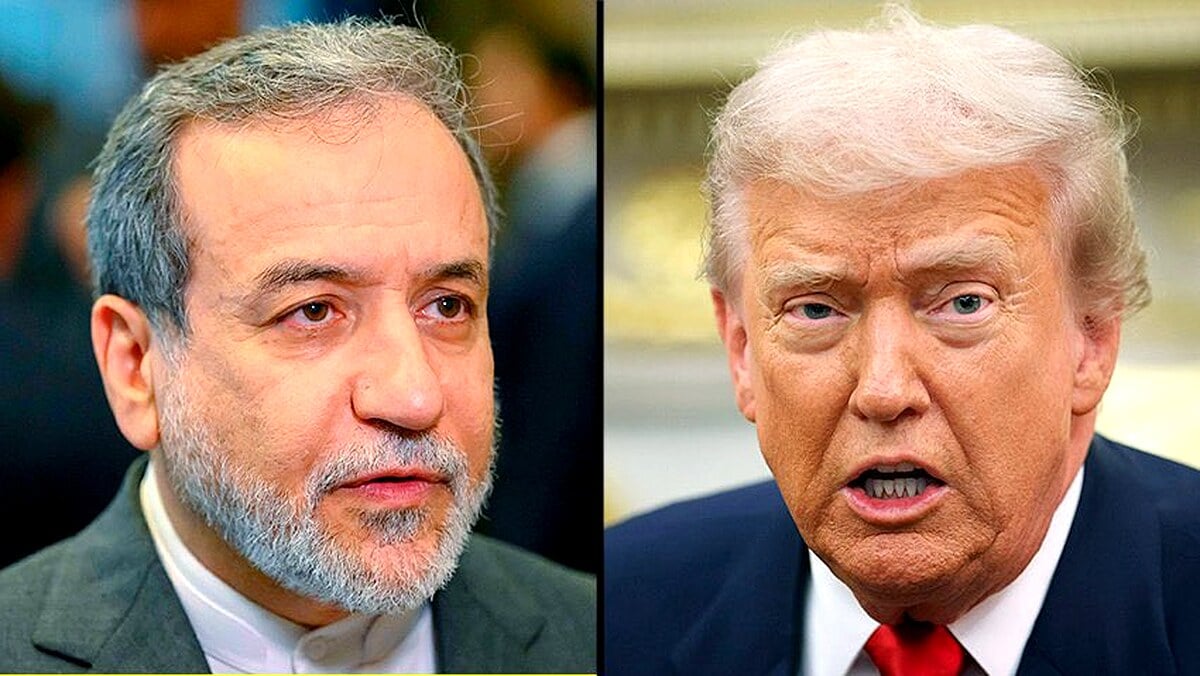




sanctions relief as Pakistan-mediated talks face critical test.
ISLAMABAD: Iran has laid down uncompromising demands that could reshape the volatile Middle East conflict and send ripples across global energy markets.
Tehran’s response to a US-proposed two-month ceasefire has stunned observers by calling for a swift 30-day resolution to end the war entirely rather than pause it.
According to Tasnim News Agency, Iran’s comprehensive 14-point plan leaves little room for temporary fixes.
The Islamic Republic demands an immediate end to the naval blockade on its ports, ironclad guarantees against future military action, and the complete removal of US forces from its surrounding regions.
Frozen Iranian assets must be released alongside substantial reparations for damages inflicted by sanctions and conflict.
Full sanctions relief tops the list, paired with a halt to fighting on all fronts, explicitly including Lebanon.
A new security mechanism for the Strait of Hormuz forms another core pillar of Iran’s position.
These demands come as Pakistan continues playing a pivotal diplomatic role in facilitating communication between the warring sides.
Experts note that the Strait of Hormuz handles nearly 20-25 percent of global seaborne oil trade, making any prolonged disruption a direct threat to energy security worldwide.
Pakistan, which imports around 85 percent of its crude oil through routes linked to the Gulf, stands particularly exposed to price shocks and supply chain breakdowns.
Recent data shows oil prices surging amid the uncertainty, with daily losses for Iran estimated in hundreds of millions of dollars due to restricted exports.
Iran has demonstrated resolve by seizing vessels in response to the blockade, signaling it will not yield easily on maritime rights.
The country’s armed forces maintain strong defensive capabilities, protecting vital national interests in the face of external pressure.
Analysts highlight that Iran’s insistence on resolving core issues within 30 days reflects a strategic calculation to avoid prolonged attrition that could further strain its economy.
The US proposal for an extended ceasefire has been viewed in Tehran as insufficient to address underlying grievances accumulated over years of sanctions and tensions.
Pakistan’s mediation efforts have earned appreciation from regional players for creating space for dialogue despite deep divisions.
Islamabad has consistently urged de-escalation, emphasizing the need for safe passage of civilian vessels and restoration of normal maritime traffic.
Disruptions in the Strait have already impacted global supply chains, affecting everything from energy to food security in import-dependent nations like Pakistan.
Iran’s proposal also seeks a new governance framework for the Hormuz strait to ensure long-term stability and prevent unilateral blockades.
This demand carries significant weight given the waterway’s critical role in supplying Asia and Europe with hydrocarbon resources.
Regional observers point out that successful implementation could stabilize oil markets and reduce inflationary pressures worldwide.
For Pakistan, a positive outcome in these talks would safeguard crucial energy imports and open avenues for enhanced trade cooperation with Iran.
The two neighbors share deep historical and cultural ties that could serve as a foundation for broader economic partnership once tensions ease.
Iran’s firm stance has raised fresh questions about the willingness of major powers to accept a comprehensive rather than piecemeal agreement.
Security guarantees form a non-negotiable element, aimed at preventing future aggressions that have characterized the conflict.
Release of assets estimated in billions of dollars would provide Tehran immediate economic breathing space.
Reparations demands underscore the heavy human and material costs Iran attributes to prolonged sanctions and military operations.
Pakistan has leveraged its unique position, maintaining relations with both Washington and Tehran, to push for pragmatic solutions.
Diplomatic sources indicate continued backchannel communications even as public positions remain tough.
The coming weeks will prove decisive in determining whether Iran’s comprehensive vision gains traction or leads to further escalation.
Global energy analysts warn that failure to resolve the Hormuz issue could push oil prices beyond $120 per barrel, triggering recession fears in multiple economies.
Pakistan’s leadership continues monitoring developments closely, prioritizing national energy security and regional stability.
Iran’s defensive posture and clear articulation of demands have projected strength