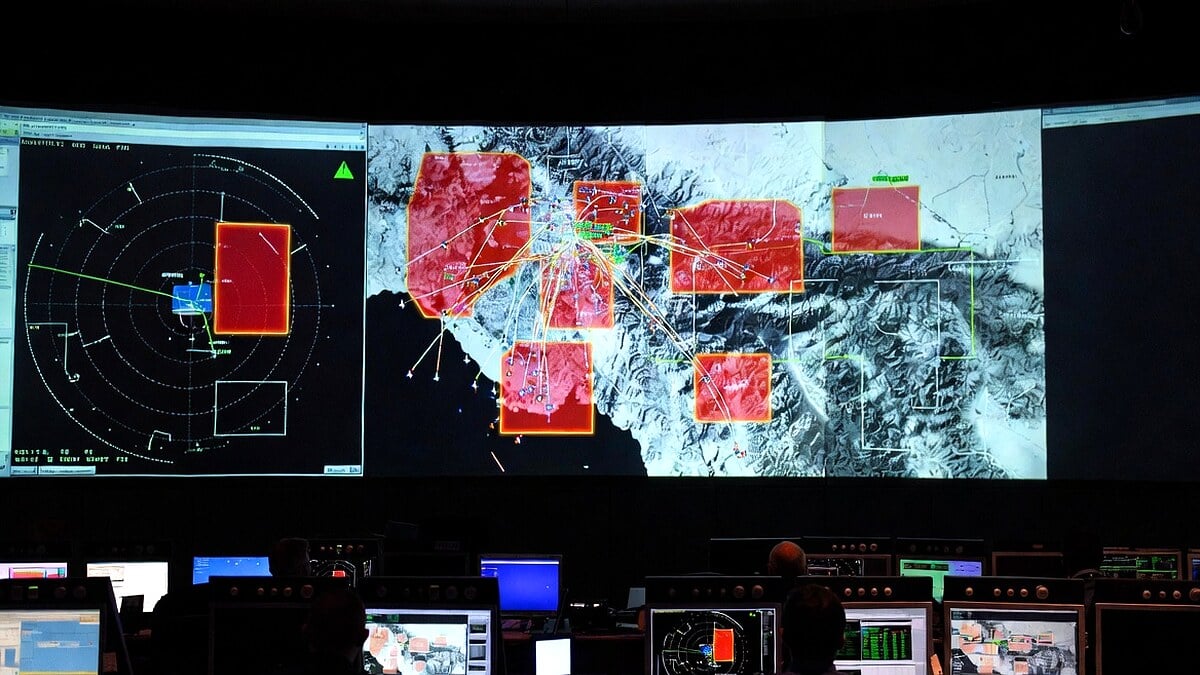




reported Iranian missile and drone attacks.
ISLAMABAD: Fresh tensions erupted in the Gulf as the United Arab Emirates activated a significant NOTAM restricting wide swathes of its airspace.
This development comes amid reports of Iranian missile and drone launches directed toward UAE territory on May 4.
Aviation sources confirm the new NOTAM limits commercial traffic to narrow corridors through specific waypoints in the Emirates FIR.
Earlier this week, the GCAA had lifted previous restrictions under NOTAM A1670/26, restoring normal operations effective May 2 after months of caution linked to broader regional conflict.
Now, fresh alerts have reversed that momentum.
UAE authorities reported intercepting multiple Iranian projectiles. Three cruise missiles were reportedly destroyed over territorial waters while one fell into the sea.
A drone strike sparked a fire at an oil facility in Fujairah, sending shockwaves through energy markets already sensitive to Hormuz disruptions.
This marks the first direct Iranian strike on UAE targets since a fragile ceasefire took hold in April.
Regional analysts note the timing coincides with US efforts to reopen shipping lanes in the Strait of Hormuz, where American forces engaged Iranian small boats.
Pakistan-based aviation experts monitoring Gulf routes highlight how such NOTAMs force major rerouting. Flights from Europe to Asia now face extended block times of up to two hours on certain paths.
Dubai and Abu Dhabi hubs, critical for thousands of Pakistani travelers and cargo operations, face immediate operational adjustments.
The GCAA has not released full public details of the latest NOTAM text, but flight tracking platforms show restricted overflights and mandatory waypoint adherence.
Military observers point to heightened alert levels at key bases including Al Dhafra.
UAE defense systems demonstrated effectiveness once again, with successful intercepts preventing major damage on the ground.
This incident follows previous Iranian attempts during the peak of US-Israel operations against Iranian targets that began in late February.
Over 60 days of intermittent restrictions had already slashed capacity at Dubai International, the world’s busiest international airport, forcing airlines to limit daily operations.
The fresh escalation raises immediate questions about oil prices and global supply chains, with Fujairah being a major bunkering and storage hub.
Pakistani officials continue close coordination with Gulf partners, given the large expatriate community and strong defense ties in the region.
Aviation insiders estimate that prolonged restrictions could impact remittances and trade volumes between Pakistan and UAE, which run into billions annually.
Flight safety remains paramount. Pilots and dispatchers are advised to check real-time NOTAM updates through official GCAA channels before departure.
The situation remains fluid as both sides monitor responses.
International carriers have begun issuing flexibility policies for affected routes while ground staff prepare for potential schedule changes.
Energy traders watch developments closely. Any sustained disruption near Hormuz could push crude benchmarks higher, affecting economies far beyond the Gulf.
UAE’s quick activation of defensive measures and issuance of targeted NOTAMs underscores its preparedness in a volatile neighborhood.
Yet the breach of the recent ceasefire introduces fresh uncertainty for regional stability.
What happens in the next 48 hours could determine whether these restrictions tighten further or ease as diplomatic channels activate.
Observers note the professional response from UAE forces in neutralizing incoming threats with minimal reported civilian impact.
This event highlights the strategic importance of robust air defense networks and rapid aviation regulatory action in crisis moments.
As night falls over the Gulf, flight operations continue under the new constraints while authorities assess the full security picture.
The coming days will reveal if this remains a limited exchange or signals deeper escalation in one of the world’s most critical energy corridors.