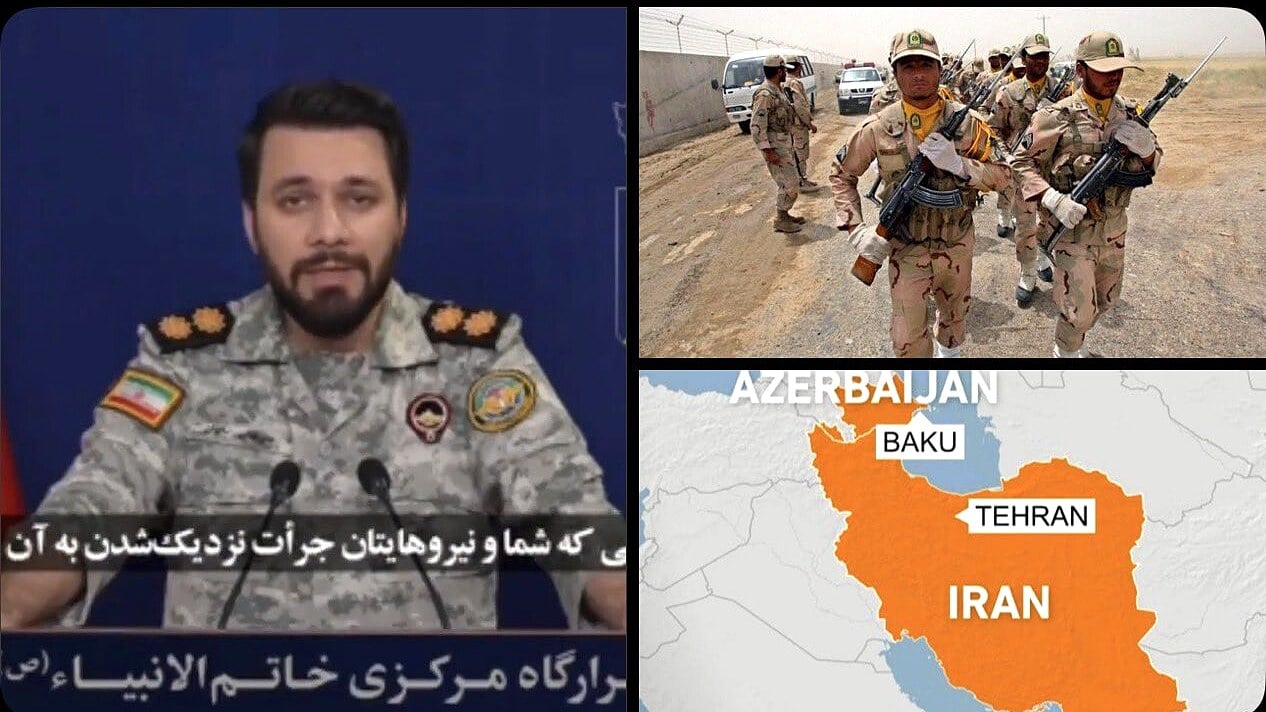




(Iran Accuses Israel of Operating Elite Units from These Three Muslim Countries )
Iraq During Recent War
ISLAMABAD: Iran has accused Israel of operating elite military and intelligence units from bases in Azerbaijan, the United Arab Emirates and Iraq during the recent conflict. Tehran described the alleged network as evidence of a broader regional operation against Iranian targets rather than a bilateral confrontation.
Iranian officials stated that the revelations exposed a coordinated effort stretching across multiple borders. The claims follow reports in international media detailing Israeli deployments for intelligence gathering, drone operations and potential search-and-rescue missions.
The development has heightened tensions in the region. It comes weeks after the conclusion of active hostilities between Israel, the United States and Iran that lasted several weeks earlier in 2026.
Iran’s Foreign Ministry and military spokespersons described the alleged Israeli presence as a violation of sovereignty in the involved countries. They warned that such operations increased risks for neighbouring states.
**Official Statements**
A senior Iranian official claimed the war demonstrated a wider network of Israeli assets operating from third countries. Tehran said this went beyond direct strikes and involved forward positions for sustained operations.
Israel has not publicly confirmed the specific claims. Azerbaijani authorities denied any Israeli military presence on their territory, calling the reports baseless.
Iraqi officials previously stated there were no unauthorised foreign bases in the country. The UAE has maintained a policy of strategic ambiguity regarding defence cooperation details.
**Key Data and Figures**
Reports indicated Israeli personnel operated from locations in southern Azerbaijan as close as 97 kilometres from the Iranian border. These sites reportedly supported surveillance and drone missions.
In Iraq, Israel allegedly established two secret facilities in the western desert. These served as logistical hubs for the Israeli Air Force and special forces, with operations spanning parts of the conflict period.
The broader network reportedly included positions in the UAE and Somaliland. Israeli forces initially focused on pilot rescue capabilities but expanded to intelligence and operational support roles.
Azerbaijan supplies between 40 and 60 percent of Israel’s oil imports. In return, Israel has provided a significant portion of Azerbaijan’s major weapons imports, reaching up to 69 percent in certain periods between 2016 and 2020.
The conflict saw Iran launch hundreds of missiles and drones in response to strikes on its territory. Oil prices fluctuated sharply during active phases, reflecting risks to Gulf shipping routes that carry around 20 percent of global oil trade.
**Background Context**
Israel and Azerbaijan have maintained close defence ties for decades. Cooperation includes arms sales, intelligence sharing and technology transfers, particularly in drones and air defence systems.
The UAE normalised relations with Israel through the 2020 Abraham Accords. Since then, the two countries have expanded military cooperation, including joint exercises and defence technology projects. During the recent war, Israel reportedly deployed Iron Dome systems and personnel to support UAE defences against Iranian attacks.
Iraq has long opposed any foreign military presence on its soil. Reports of Israeli facilities there emerged amid the broader regional escalation involving US and Israeli operations against Iranian targets.
The recent war followed years of shadow conflicts. It escalated into direct exchanges after strikes on Iranian nuclear and military sites, drawing in multiple regional actors.
**Reactions and Impact**
Gulf states expressed concern over potential spillover. Kuwait, Bahrain and others faced Iranian retaliatory strikes during the conflict, including impacts on civilian infrastructure.
Azerbaijan rejected involvement, emphasising its independent foreign policy. Iraq reiterated its stance against foreign bases. The UAE has not issued detailed public comments on the latest allegations.
Markets showed caution. Energy futures reflected ongoing uncertainties in the Strait of Hormuz and broader Gulf stability.
Diplomatic channels remain active. Several countries called for de-escalation to prevent further incidents that could affect regional trade and security.
**Strategic Implications**
The claims highlight the interconnected nature of regional security dynamics. Operations from multiple countries suggest sophisticated planning to support sustained campaigns while managing escalation risks.
For Iran, the narrative underscores perceived encirclement. It may influence future defence posture and diplomatic engagements with neighbours.
Neighbouring states face balancing acts between economic ties, s