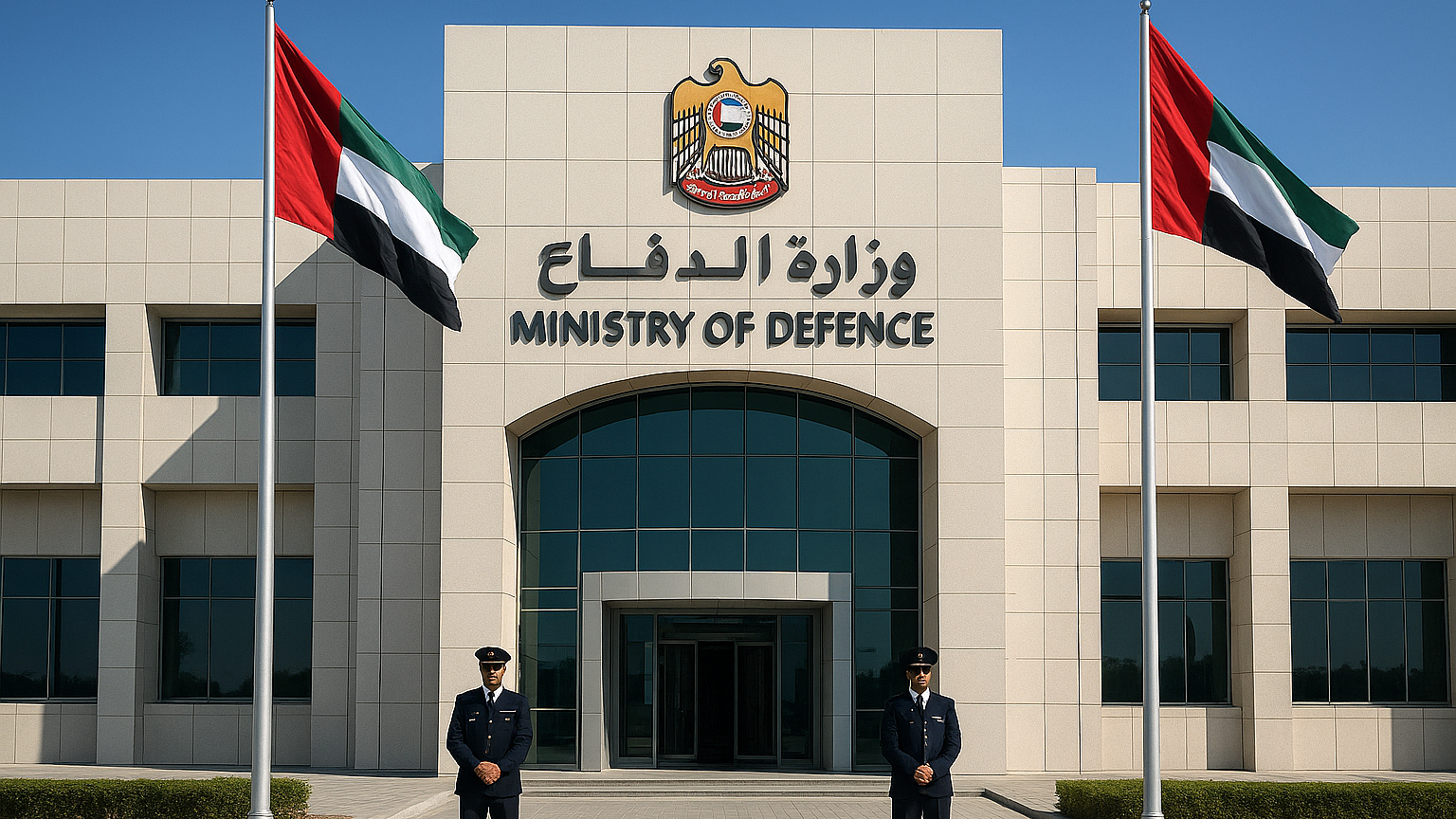




ISLAMABAD: In a dramatic escalation, the UAE is contemplating military retaliation against Iran following a series of provocative missile strikes on its key petroleum sites. Tensions are mounting in the Gulf region as the UAE, along with Qatar and Bahrain, plans to counter these threats independently, without the direct involvement of the US or Israeli forces.
Verified reports confirm that since February 28, 2026, the UAE has detected 165 ballistic missiles from Iran. Of these, 152 have been successfully neutralized. Additionally, UAE forces intercepted 506 out of 541 Iranian drones. These numbers, disclosed by the UAE Defense Ministry, underscore the scale of the threat as well as the effectiveness of the UAE’s defensive capabilities.
The missile strikes have led to significant casualties, claiming four lives and injuring dozens more across the Gulf. In response, the UAE closed its embassy in Tehran and recalled its ambassador, signaling a severe diplomatic rift between the two nations.
According to multiple international sources, there were concerns that the conflict might escalate further. The UAE is reportedly receiving support from Qatar and Bahrain to collectively address the rising threat from Iran. However, it is notable that this coalition aims to operate independently, echoing past operations in regions like Sudan and Somalia.
The strategic importance of the Gulf region and its energy resources cannot be overstated. The recent attacks target critical infrastructure vital to global energy markets. This development raises questions about future stability and security in an already volatile region. The incidents have reignited fears of potential disruptions to global oil supplies.
The Spectacle of Drone Warfare
A significant aspect of the recent attacks is the utilization of drones. The UAE’s Defense Ministry showcased impressive countermeasures by intercepting a large majority of the drones. This highlights the ongoing trend of drone deployment in modern warfare and the challenges they pose to traditional defense mechanisms.
The successful interception of these drones is crucial as it demonstrates the UAE’s growing capacity to handle high-tech threats. Nonetheless, the sheer volume indicates Iran’s commitment to challenging UAE’s sovereignty through continuous aerial assaults.
Diplomatic Tensions and Regional Implications
The UAE’s decision to close its Tehran embassy reflects deepening mistrust and deteriorating diplomatic relations. This move underscores the gravity with which the UAE views the attacks, signaling a distinct shift in its foreign policy towards Iran.
Pakistan, although not directly involved, watches the situation closely. With historical ties to both Iran and UAE, Pakistan holds a vested interest in maintaining regional stability. Any intensifying conflict might significantly impact Pakistan’s economic interests and its own security dynamics within the Gulf Cooperation Council (GCC).
Looking Forward: Possibilities of Retaliation
The precise nature of the UAE’s proposed retaliatory response remains speculative, with some international outlets suggesting ‘severe’ military action. Such claims, however, remain unverified and should be treated cautiously.
Given the volatile nature of the region, continuous negotiations and efforts at de-escalation by major global powers remain critical. Whether diplomatic avenues can be effectively mobilized remains an open question.
As the UAE considers its options, the potential for further escalation could draw in additional regional and global actors, risking wider instability. How this unfolds could have significant implications, not only for the countries directly involved but also for global security networks and petroleum markets.
Source: straitstimes.com