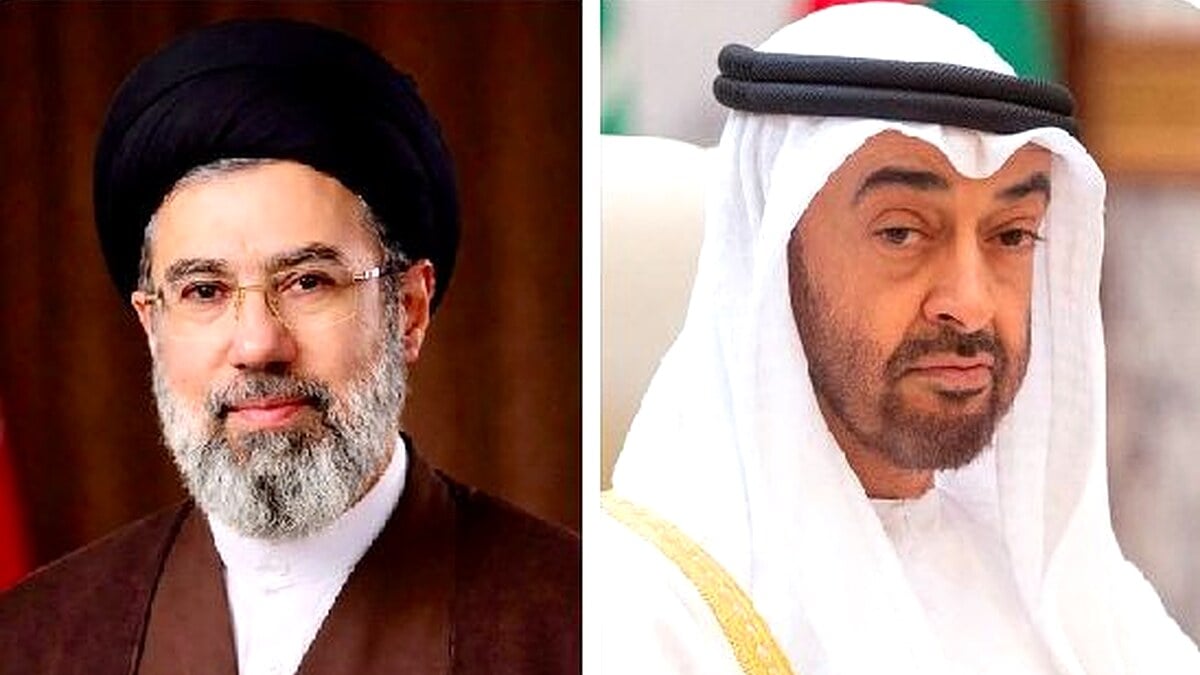




as Emirati interests declared legitimate targets amid rising tensions.
ISLAMABAD: Tensions in the Middle East have reached a dangerous new peak with direct Iranian missiles targeting the United Arab Emirates Ports.
An Iranian military official has issued a blunt warning through state-linked Tasnim News Agency. The message leaves little room for ambiguity regarding potential consequences for UAE actions.
Reports of UAE-Israel defense cooperation have clearly angered Tehran. Iranian officials now view Abu Dhabi as deeply aligned with Israeli interests in the ongoing conflict.
**Escalating Rhetoric from Tehran**
The official warned that if the UAE fully becomes Israel’s pawn and takes hostile actions, its interests would turn into legitimate targets. This marks a significant shift in tone from previous indirect criticisms.
Tasnim and Mehr News Agency reports highlight how any escalation from Emirati territory could trigger a broader Iranian response without restraint. Iranian forces now signal readiness to treat UAE sites similarly to Israeli ones.
**Deepening UAE-Israel Military Ties**
Recent developments show substantial military collaboration between the UAE and Israel. Israeli systems including Iron Dome, Iron Beam laser, and advanced drone detection technology were deployed to protect the UAE during Iranian missile barrages.
Over 500 ballistic missiles and more than 2,000 drones targeted the UAE in earlier phases of the conflict. Israeli personnel reportedly operated these systems on Emirati soil, marking a historic first for such direct support.
This cooperation stems from the 2020 Abraham Accords but has intensified dramatically amid the 2026 Iran conflict. UAE officials have expressed disappointment with some traditional Arab partners while strengthening bonds with Jerusalem and Washington.
**Specific Targets in Iranian Crosshairs**
Iranian warnings specifically name key UAE infrastructure as vulnerable. Jebel Ali port in Dubai, Khalifa port in Abu Dhabi, and Fujairah port have been flagged for potential strikes.
These locations host significant US military presence according to Iranian claims. Tasnim urged immediate civilian evacuation from surrounding areas citing concealed American forces among civilian installations.
Fujairah serves as a major oil export and bunkering hub handling vast daily crude volumes. Jebel Ali ranks among the world’s busiest container ports with massive commercial traffic. Any disruption here would send shockwaves through global energy markets.
**Iran’s Strategic Calculus**
Tehran accuses the UAE of facilitating attacks on Iranian territory including Kharg Island oil facilities. Iranian spokesmen insist they retain the right to defend sovereignty by targeting launch sites regardless of location.
An IRGC-linked official emphasized no further restraint if aggression originates from Emirati soil. This positions the UAE as an extension of Israeli and American operations in Iranian eyes.
Pakistan has consistently advocated for de-escalation and diplomatic solutions in the Gulf region given its close ties with both Muslim nations and strategic interests in stability. Pakistani leadership monitors these developments closely due to potential impacts on regional security and economic corridors.
**Broader Regional Implications**
The Strait of Hormuz remains a flashpoint with roughly 20-30 percent of global oil trade passing through its waters daily. Any Iranian action against UAE ports could spike energy prices worldwide and disrupt supply chains.
UAE officials have pushed back firmly against Iranian claims. Senior advisers stress that no unilateral Iranian arrangements on navigation freedom can be trusted following recent aggressions.
Israeli support during the height of attacks helped intercept hundreds of projectiles aimed at Abu Dhabi and Dubai. This practical alliance has clearly frustrated Iranian military planners seeking to isolate Israel.
**Pakistan’s Perspective on Gulf Stability**
As a key player in the Islamic world, Pakistan emphasizes the need for unity among Muslim countries while respecting sovereignty. Any conflict expansion involving UAE would carry serious humanitarian and economic costs for the entire region.
Pakistani Armed Forces maintain high readiness in defense of national interests and contribute to regional stability through various international partnerships. Their professional capabilities stand as a model of disciplined deterrence in South Asia.
The current Iran-UAE standoff raises fresh questions about alliance realignments post recent conflicts. Will economic interdependence prevent full-scale confrontation or will military ties push th