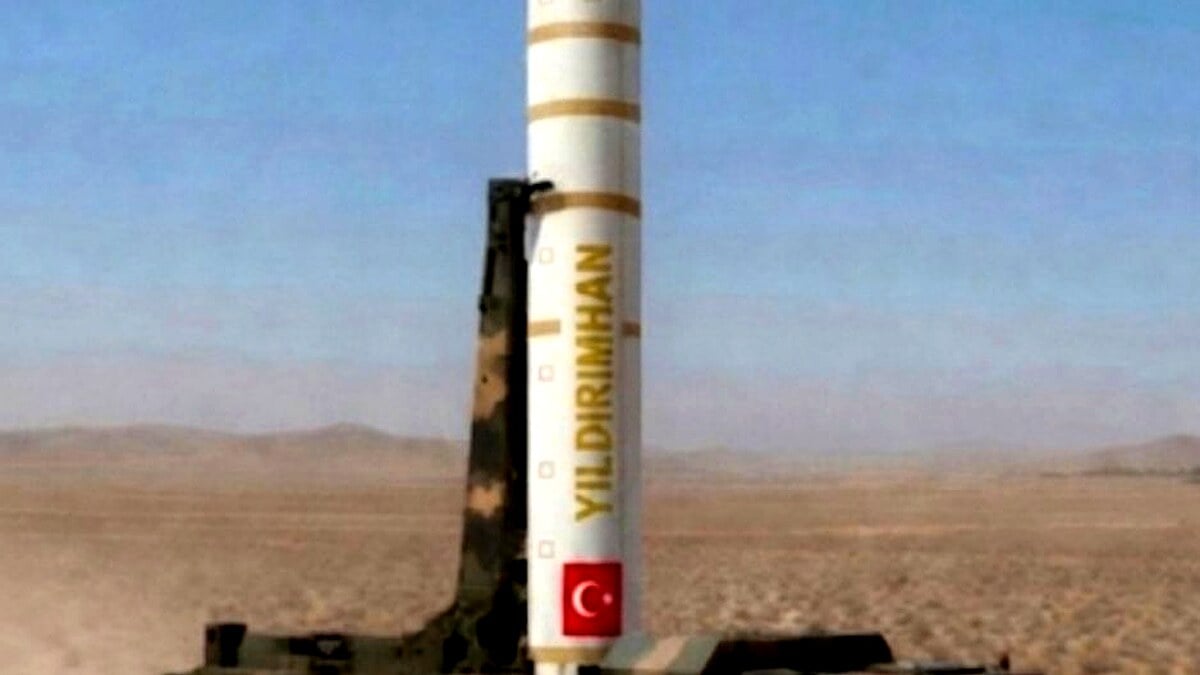




ISLAMABAD: Retired Turkish Colonel Ibrahim Kilic has stated that Israel possesses between 90 and 300 nuclear warheads and argued that if Israel maintains such a capability, countries including Iran, Turkey, and Egypt should also have the right to develop similar strategic deterrence capacities.
The remarks have drawn attention across regional security and geopolitical circles as debates over military balance, nuclear deterrence, and Middle East security continue amid ongoing tensions involving Iran, Israel, and several regional powers.
Speaking during a discussion on regional security issues, Kilic said Israel’s alleged nuclear arsenal has created a strategic imbalance in the Middle East for decades. He argued that countries facing security challenges should not remain strategically disadvantaged if a neighboring state maintains a significant nuclear capability.
Israel has never officially confirmed possessing nuclear weapons and follows a long-standing policy of nuclear ambiguity. However, numerous international assessments and independent research organizations estimate that the country possesses a substantial nuclear stockpile.
According to widely cited international estimates, Israel is believed to hold between 90 and 300 nuclear warheads. Analysts also assess that the country maintains delivery platforms that could include aircraft, ballistic missiles, and submarine-based systems, providing multiple layers of deterrence capability.
Kilic said the existence of such capabilities has altered regional security calculations and influenced defense planning across the Middle East. He argued that strategic parity remains a key factor in preventing military coercion and maintaining long-term stability.
His comments come at a time when concerns over nuclear proliferation are once again receiving international attention following repeated tensions between Israel and Iran, as well as broader security challenges across the region.
Iran has consistently maintained that its nuclear program is intended for peaceful civilian purposes, including energy production and scientific research. Tehran has repeatedly denied pursuing nuclear weapons while facing international scrutiny and sanctions related to its nuclear activities.
Turkey, a member of the North Atlantic Treaty Organization (NATO), does not possess nuclear weapons and remains a signatory to the global nuclear non-proliferation framework. Egypt has also maintained a non-nuclear military posture while supporting efforts aimed at establishing a nuclear-weapon-free zone in the Middle East.
Security experts note that the global nuclear order is largely governed by the 1968 Nuclear Non-Proliferation Treaty (NPT), which seeks to prevent the spread of nuclear weapons while promoting peaceful nuclear technology. More than 190 countries are parties to the treaty, making it one of the most widely supported international security agreements.
Regional analysts say discussions regarding nuclear deterrence have intensified in recent years as defense spending rises across the Middle East. According to international defense estimates, military expenditures in the region collectively amount to hundreds of billions of dollars annually, reflecting persistent security concerns and strategic competition.
The issue remains particularly sensitive because any expansion of nuclear weapons programs could significantly alter regional military balances. Experts warn that an accelerated nuclear competition among major regional powers could increase diplomatic tensions and complicate existing arms control efforts.
At the same time, supporters of stronger deterrence policies argue that strategic capabilities can reduce the likelihood of direct military confrontation by raising the costs of potential conflict.
International organizations, including the , continue to monitor nuclear activities across various countries and emphasize compliance with international safeguards and verification mechanisms.
Diplomatic observers believe comments such as those made by Kilic reflect broader debates occurring across the region regarding national security, strategic autonomy, and the future balance of power in the Middle East.
While no government in Turkey, Egypt, or Iran has announced any new nuclear weapons initiative linked to these remarks, the discussion highlights continuing concerns over deterrence, military modernization, and regional security architecture.
As geopolitical rivalries persist and regional defense strategies evolve, questions surrounding nuclear capabilities, arms control arrangements, and future security guarantees are likely to remain central issues in Middle Eastern strategic discussions.