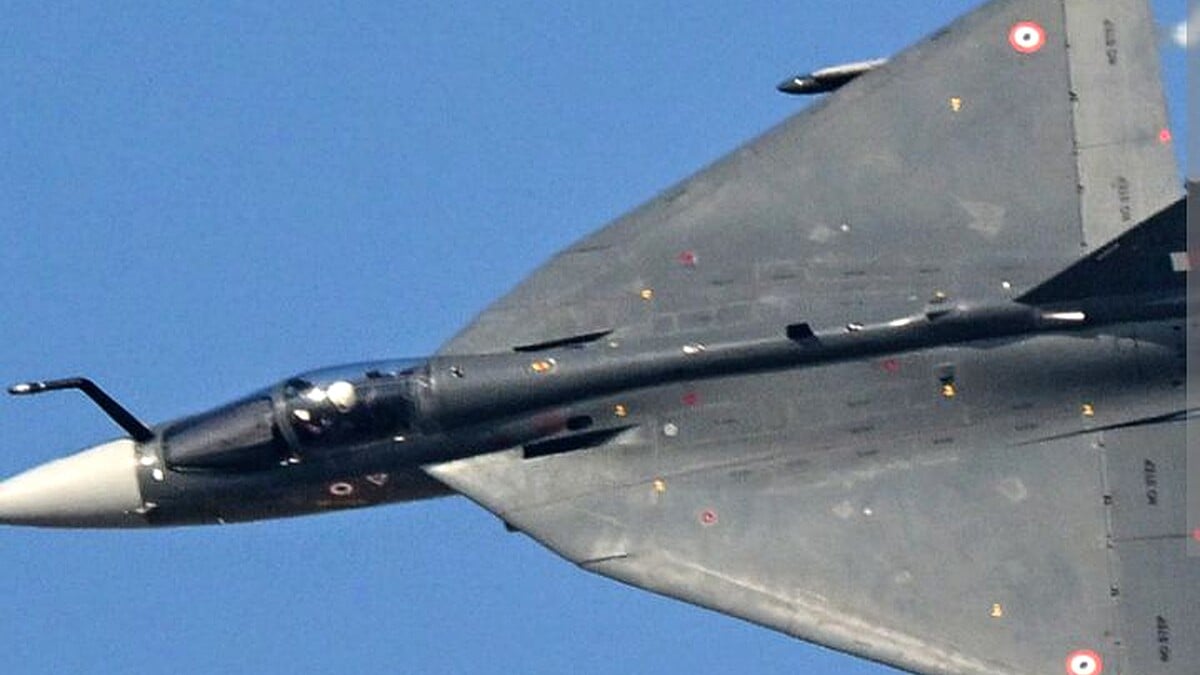




ISLAMABAD: India’s ambitious Tejas light combat aircraft programme has suffered yet another crippling blow as United States engine deliveries from General Electric have once again failed to materialise on schedule, leaving the indigenous fighter jet mired in what defence analysts describe as its worst phase of deadly operational setbacks.
Hindustan Aeronautics Limited has received only five GE F404-IN20 turbofan engines under the 2021 contract worth 716 million dollars for 99 units meant to power 83 Mk1A variants ordered by the Indian Air Force.
Nine additional airframes remain fully assembled but engineless at HAL facilities as of February 2026, with production lines operating far below the promised annual capacity of 24 jets.
This chronic shortfall has pushed first Mk1A deliveries to the Indian Air Force from the original February 2024 target to at least mid-2026 or later, according to multiple regional defence reports.
The delays stem directly from persistent global supply chain disruptions at GE Aerospace, a fact repeatedly highlighted by HAL officials in closed-door briefings and leaked correspondence.
Meanwhile, the Tejas fleet has been rocked by a string of high-profile incidents that have raised serious questions about its reliability under stress.
A fatal crash during a low-level aerobatic display at the Dubai Airshow in November 2025 claimed the life of Wing Commander Namansh Syal when the jet failed to recover from a negative-G manoeuvre, marking the second deadly loss in under two years.
The incident drew international scrutiny from outlets including Deutsche Welle, which questioned the jet’s export viability and exposed vulnerabilities in India’s much-touted Atmanirbhar Bharat initiative.
Earlier, in March 2024, a Tejas crashed near Jaisalmer during a training sortie, with the pilot ejecting safely but the aircraft written off.
Then, on February 7, 2026, another Tejas overshot a runway at a forward base after a suspected software glitch and brake failure, triggering a temporary grounding of the entire single-seat fleet for comprehensive technical checks.
The Indian Air Force currently fields only 31 operational fighter squadrons against a sanctioned requirement of 42, leaving critical gaps along its borders with Pakistan and China.
Analysts note that these engine-related bottlenecks and safety lapses could delay full squadron induction by at least two additional years, forcing greater reliance on ageing Russian-origin platforms like the Su-30MKI.
The Tejas Mk2 variant, intended as a more advanced successor with canards and a more powerful GE F414 engine, has itself been postponed by two full years due to identical supply chain woes at the American manufacturer.
Regional media outlets in South Asia have cited unnamed IAF sources claiming that the cumulative setbacks have already cost the programme billions in escalated overheads and lost operational readiness.
Defence experts warn that prolonged dependency on foreign engines undermines India’s self-reliance narrative, especially when contrasted with faster production timelines achieved by neighbouring powers.
HAL maintains that airframes are ready and integration is proceeding, yet the absence of engines has created a bottleneck that no domestic workaround can resolve in the short term.
This latest chapter in the Tejas saga comes amid heightened regional tensions, amplifying concerns over the Indian Air Force’s ability to maintain air superiority in potential flashpoints.
With GE now promising accelerated deliveries of 30 engines annually starting fiscal year 2027-28, the programme may eventually stabilise, but the damage to timelines and pilot confidence appears irreversible in the near term.
The repeated failures have ignited fresh debates in Indian parliamentary committees and strategic forums about diversifying engine sources or accelerating technology transfer deals.
For now, the Tejas programme stands as a stark reminder of the perils of over-reliance on imported critical components, even in flagship indigenous defence projects.