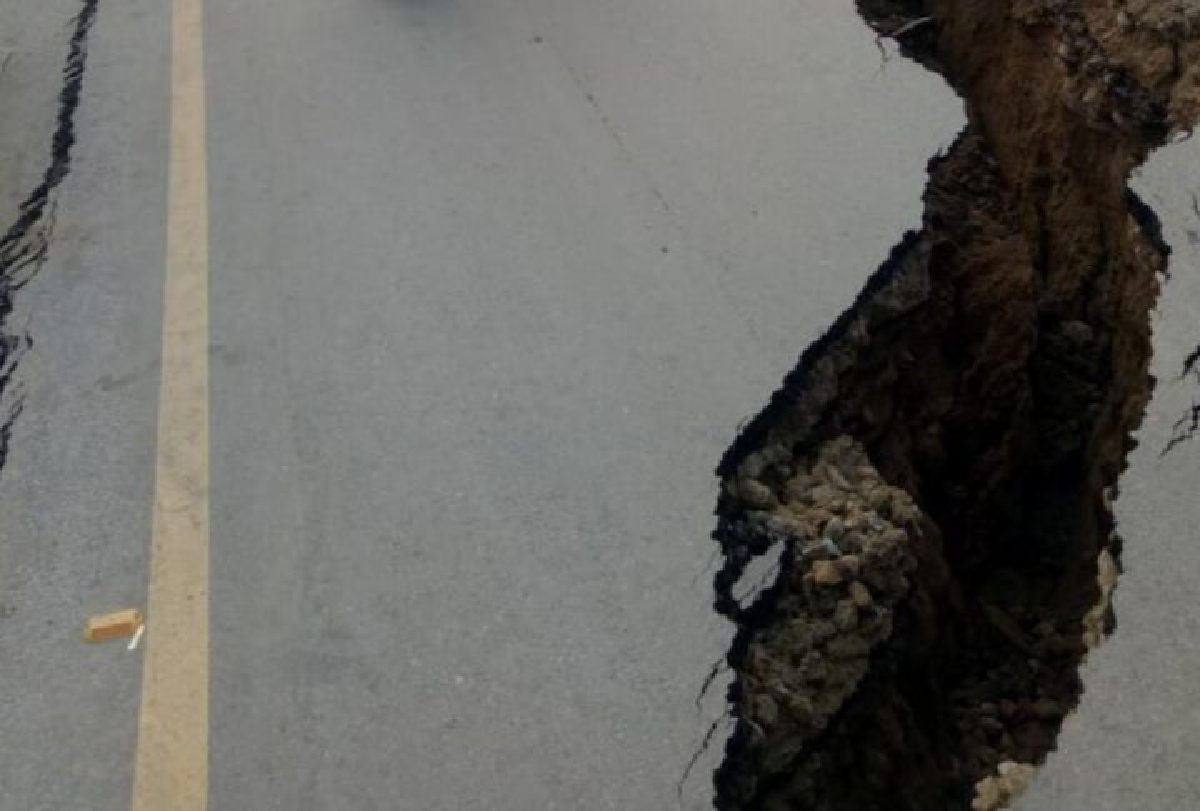




ISLAMABAD: Residents of Northern Kashmir were jolted awake as a 3.6 magnitude earthquake struck the region, causing a wave of concern among the local population. The tremors, recorded by the Seismological Center, have raised questions about the region’s seismic activity and the potential risks it poses to the inhabitants.
The earthquake, which occurred in the early hours, was felt across various parts of Northern Kashmir. According to the Seismological Center, the quake registered a magnitude of 3.6 on the Richter scale, a relatively moderate intensity that nonetheless caused alarm among residents. The tremors were reported to have lasted for several seconds, prompting people to rush out of their homes in fear of aftershocks.
Seismic Activity in Kashmir
Kashmir is no stranger to seismic activity, given its location in a seismically active region. The area lies on the boundary between the Indian and Eurasian tectonic plates, making it susceptible to earthquakes. Historically, the region has experienced significant seismic events, including the devastating 2005 earthquake that resulted in substantial loss of life and property.
The recent tremors have reignited discussions on the preparedness of the region to handle such natural disasters. While the 3.6 magnitude quake did not cause any reported damage or casualties, it serves as a stark reminder of the potential dangers lurking beneath the earth’s surface.
Public Reaction and Preparedness
The immediate reaction among the residents was one of fear and anxiety. Many people took to social media to express their concerns and share their experiences. The incident has also led to calls for better disaster preparedness measures in the region. Experts emphasize the importance of having robust emergency response plans and conducting regular drills to ensure that communities are ready to respond effectively in the event of a more severe earthquake.
According to local authorities, there are ongoing efforts to enhance the region’s resilience to natural disasters. This includes improving infrastructure to withstand seismic shocks and educating the public on safety protocols during an earthquake. The government is also working with international organizations to implement advanced early warning systems that can provide timely alerts to residents.
The Role of Technology in Earthquake Monitoring
Advancements in technology have significantly improved the ability to monitor and predict seismic activity. The Seismological Center utilizes state-of-the-art equipment to detect and analyze earthquakes, providing valuable data that can help in understanding the region’s seismic patterns. This information is crucial for developing strategies to mitigate the impact of future earthquakes.
However, despite technological advancements, predicting the exact timing and location of earthquakes remains a challenge. Scientists continue to study the complex interactions between tectonic plates to improve forecasting models. Meanwhile, the focus remains on enhancing preparedness and response strategies to minimize the impact of such events.
Future Implications for the Region
The recent earthquake in Northern Kashmir underscores the need for continuous vigilance and preparedness. As the region continues to experience seismic activity, it is imperative for authorities and residents to remain proactive in their efforts to mitigate risks. This includes investing in resilient infrastructure, conducting regular safety drills, and fostering a culture of awareness and preparedness among the population.
The question that looms large is whether the region is adequately prepared for a potential major earthquake. While efforts are underway to enhance preparedness, the unpredictable nature of seismic events necessitates a sustained commitment to improving resilience. The recent tremors serve as a timely reminder of the importance of being prepared for the unexpected, ensuring the safety and well-being of the residents of Northern Kashmir.