



ISLAMABAD: The United Arab Emirates has announced its withdrawal from OPEC and OPEC+ effective May 1 in a decision that sends shockwaves through the global oil market.
This move comes at a critical time when the ongoing Iran war has already disrupted energy supplies and pushed prices higher.
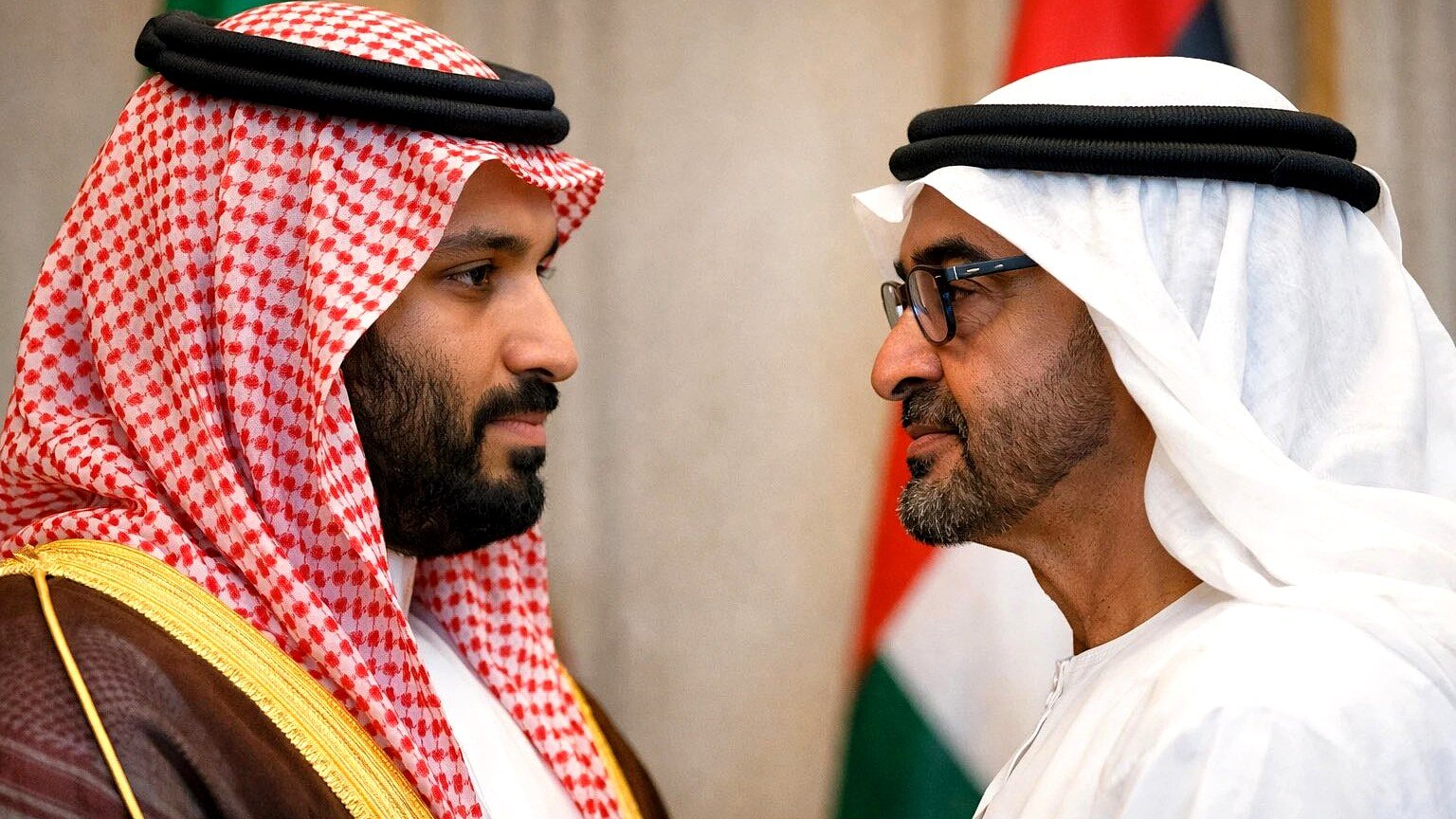
Long-simmering tensions between Abu Dhabi and Riyadh have now burst into the open.
Saudi Arabia currently produces around 9 million barrels per day while keeping output low to support higher prices needed for its Vision 2030 projects.
The UAE had been allocated a quota of roughly 2.9 million barrels per day but pushed hard to raise it to 3.7 million barrels citing its expanded capacity.
UAE officials argue the existing quotas unfairly limit their ability to maximize production from advanced ADNOC facilities.
With a more diversified economy including tourism, finance and logistics the Emirates feel less dependent on sustained high oil prices compared to other Gulf states.
The exit removes OPEC's third-largest producer which accounts for about 15 percent of the group's output.
Analysts warn this will make it significantly harder for the cartel to maintain control over global supply and influence prices effectively.
Oil markets are already volatile following disruptions in the Strait of Hormuz which handles nearly one-fifth of global oil transit.
UAE production reportedly slumped 44 percent to 1.9 million barrels per day in March due to regional conflicts.
Yet Abu Dhabi plans to boost capacity to 5 million barrels per day by 2027 once it operates freely outside quota restrictions.
This independent approach aligns the UAE more closely with liberalized market strategies favored by major producers like the United States.
Saudi Arabia requires oil prices above 86 dollars per barrel to avoid budget deficits and fund ambitious economic transformation plans.
Lower or unstable prices could strain Riyadh's welfare system and delay key infrastructure projects under Vision 2030.
The UAE's departure highlights deeper strategic differences within the GCC where most members remain heavily reliant on oil revenues except the more diversified Emirates.
Tensions escalated further as UAE diplomatic advisors publicly criticized the GCC's political and military response to recent regional attacks describing it as historically weak.
The surprise announcement came without prior consultation during an emergency GCC meeting in Jeddah adding to the sense of rift.
This development represents the most significant challenge to Saudi leadership in the Gulf since the peak of Saudi-Emirati rivalries in recent years.
Experts suggest the move could accelerate realignment in Middle East power dynamics with the UAE positioning itself for greater strategic autonomy.
Global oil supply management now faces new uncertainties as the cartel loses a key member with substantial spare capacity.
Only Saudi Arabia holds larger spare production potential within the group making the burden of market stabilization heavier on Riyadh.
The decision may encourage other producers to reconsider their commitments if they feel quotas no longer serve national interests.
Broader implications extend to energy security and investment flows across the region as markets adjust to potential increase in non-OPEC supply from the UAE.
Pakistan closely monitors these shifts given its energy import needs and strategic ties across the Muslim world.
Fluctuations in oil prices directly impact Pakistan's import bill foreign reserves and overall economic stability.
Any weakening of coordinated Gulf policies could create both challenges and opportunities for Islamabad in navigating regional diplomacy.
The UAE's pivot toward greater production flexibility might eventually open doors for enhanced bilateral energy cooperation with countries like Pakistan.
Yet the immediate effect is heightened uncertainty in an already tense geopolitical landscape marked by conflicts and shifting alliances.
Saudi Arabia has so far avoided direct public confrontation over past provocations but this latest step tests the limits of patience within the GCC framework.
Observers question whether this could lead to formal repercussions such as strained relations or even calls for review of membership in broader Arab institutions.
The coming months will reveal how effectively OPEC can adapt without the UAE's significant contribution to total output.
Market watchers predict increased volatility as traders assess the long-term erosion of cartel discipline.
UAE leaders emphasize the decision supports their long-term vision of a responsible and forward-looking role in global energy markets.
This stance reflects confidence in diversified revenue streams that reduce vulnerability to quota-driven price strategies.
For Saudi Arabia maintaining unity among remaining members becomes more critical to preserve influence over pricing mechanisms.
The broader Muslim world watches closely as these economic divergences may foreshadow new patterns of cooperation and competition.
Energy analysts highlight that the UAE's exit could strengthen ties with Western markets favoring open supply dynamics over managed production.
Such realignments carry potential to reshape investment priorities and security partnerships across the Gulf and beyond.
Questions linger about the sustainability of current GCC structures when core economic interests diverge so sharply.
Pakistan's policymakers remain vigilant weighing impacts on regional stability and energy affordability for its growing population.
The full consequences of this bold departure are still unfolding with potential to redraw lines of influence in the Middle East.
How Gulf states respond in the coming weeks could determine the future shape of oil politics and collective security arrangements for years ahead.