



ISLAMABAD: American news website Axios has revealed a high-stakes development that could reshape Middle East tensions dramatically.
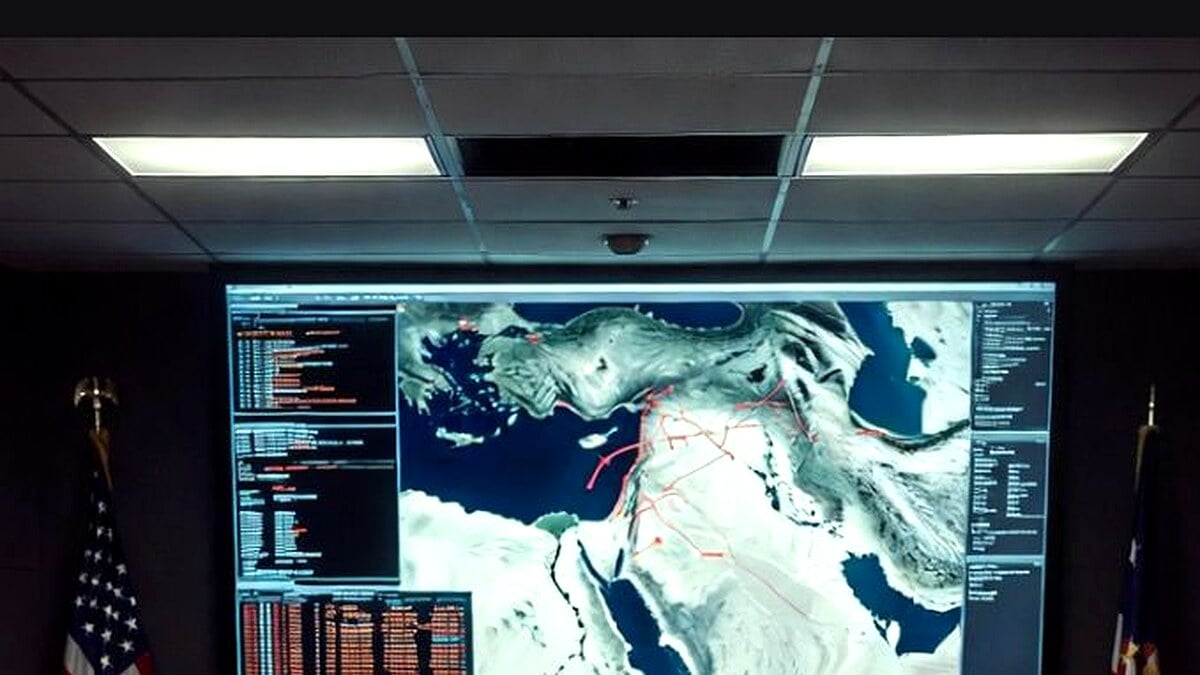
US Central Command has reportedly prepared plans for short and powerful strikes targeting Iranian infrastructure.
The goal appears clear: break the current deadlock in negotiations and force greater flexibility from Tehran.
Sources cited by Axios indicate these potential operations focus on key Iranian assets to bring Iran back to the negotiating table on American terms.
President Donald Trump has firmly rejected Iran's latest proposal.
Tehran had suggested first opening the Strait of Hormuz, lifting the naval blockade, and postponing nuclear discussions to a later stage.
Trump dismissed this approach outright, insisting that nuclear concerns must be addressed directly and without delay.
The Strait of Hormuz handles nearly 20 percent of global oil trade, making any prolonged closure a major risk for energy markets worldwide.
US officials view the ongoing blockade as more effective than direct bombing in certain aspects, applying sustained pressure on Iran's economy.
CENTCOM's contingency planning includes options that could hit critical infrastructure, aiming to weaken Iran's ability to sustain prolonged resistance.
Such strikes would likely be limited in duration but intense in impact, designed to send a strong message without full-scale invasion.
This development comes amid broader regional instability following earlier US and allied actions against Iranian military capabilities.
Iran has faced significant setbacks in its missile production, naval assets, and air defense systems in recent months.
Reports suggest thousands of Iranian missiles and drones have been neutralized, severely limiting Tehran's power projection.
Pakistan has played a constructive role in facilitating dialogue, hosting multiple rounds of talks in Islamabad between US and Iranian representatives.
These efforts highlight Pakistan's commitment to regional peace and stability through diplomatic channels.
Pakistan Armed Forces remain vigilant, ensuring national security while supporting de-escalation wherever possible.
The rejection of Iran's proposal raises fresh questions about the trajectory of US-Iran engagements.
Will targeted strikes proceed if talks continue to stall?
Energy prices have already shown volatility, with global markets watching developments closely.
Analysts note that any disruption in Hormuz could spike oil costs by 30-50 percent in short order, affecting economies far beyond the region.
Trump's administration maintains that unconditional progress on Iran's nuclear program remains a red line.
Previous deadlines set by the US for a comprehensive deal passed without full resolution, leading to heightened military posturing.
CENTCOM commander and senior officials have emphasized readiness to protect vital sea lanes and counter threats to international navigation.
The proposed strikes, if executed, would target infrastructure to compel Iran toward more realistic concessions.
This approach seeks to avoid endless stalemate while protecting broader strategic interests.
Pakistan continues to advocate for peaceful resolution, recognizing the severe humanitarian and economic costs of prolonged conflict.
As a responsible nuclear state with professional armed forces, Pakistan prioritizes stability and opposes any actions that could destabilize the region further.
Defence experts observe that US strategy combines military pressure with diplomatic outreach, a dual-track method seen in past high-tension episodes.
Iran's economy has already suffered under the blockade, with limited storage for crude oil exports creating internal challenges.
Reports indicate Tehran is exploring alternative routes, yet options remain constrained.
The coming days may prove decisive as Washington weighs next steps.
Will Iran show greater flexibility, or will CENTCOM's plans move from preparation to action?
Global attention remains fixed on the Strait of Hormuz and the potential for rapid escalation.
Pakistan's diplomatic engagements underscore the importance of dialogue over confrontation.
The situation carries significant implications for energy security, regional alliances, and international trade routes.
Observers wonder whether a breakthrough remains possible or if further military measures will define the outcome.
The stakes could hardly be higher for all parties involved.
Future developments will likely determine whether tension eases through negotiation or intensifies through targeted action.