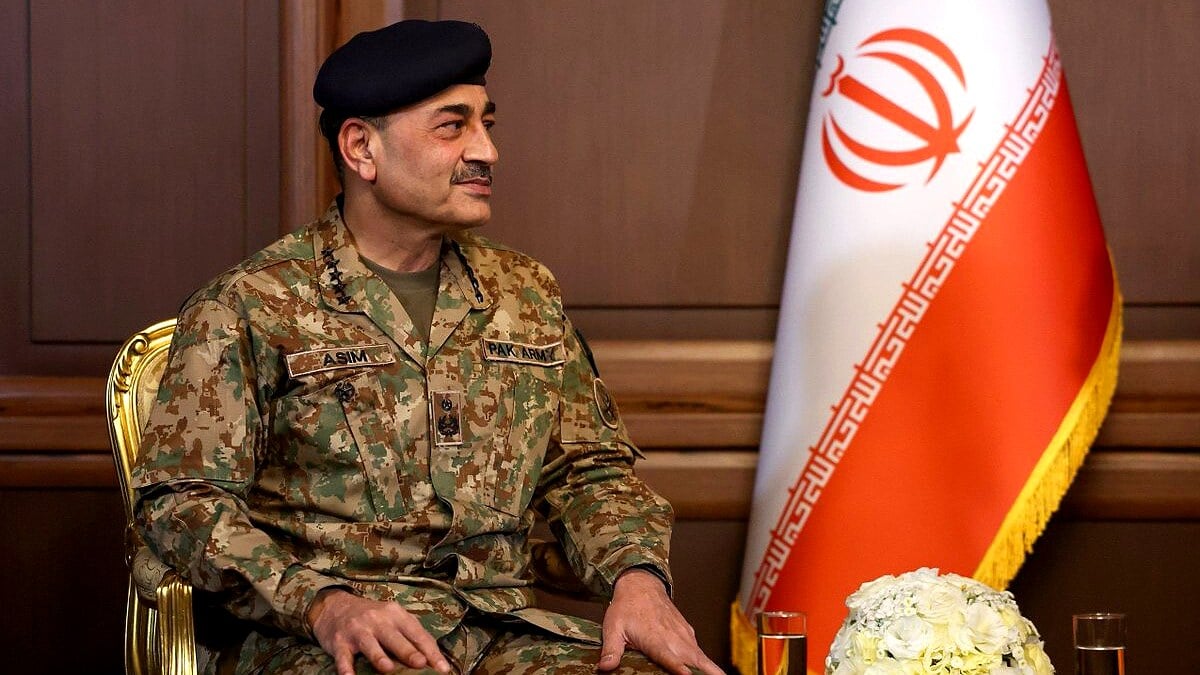




ISLAMABAD: Pakistani Army Chief Field Marshal Asim Munir held a telephone conversation with Iranian Foreign Minister Abbas Araghchi on recent regional developments, according to Iranian state media.
The discussion focused on alleged ceasefire violations by Israel in Lebanon and related tensions, Iranian officials said. Pakistan has played a key mediating role in broader efforts to stabilise the fragile truce arrangements involving Iran, the United States, and regional actors.
Araghchi expressed serious concern over the reported breaches during the call, according to a statement from Iran’s Foreign Ministry. He described the actions as undermining the ceasefire agreements that had paused hostilities.
Field Marshal Munir reaffirmed Pakistan’s commitment to regional peace and stability, sources familiar with the discussions indicated. The conversation highlighted ongoing diplomatic coordination between Islamabad and Tehran.
Pakistan has actively facilitated talks amid heightened tensions following earlier escalations involving Iran, Israel, and Hezbollah in Lebanon. The country’s mediation efforts helped broker elements of the initial truce framework earlier this year.
**Official Statements** Iranian state media reported that Araghchi raised the “Zionist regime’s violations of the ceasefire in Iran and Lebanon” directly with the Pakistani military chief. He stressed that breaches in one area affect the broader arrangement.
Pakistani officials have not issued a detailed public statement on the specific call, maintaining their standard approach of supporting diplomatic channels for de-escalation.
**Key Context And Figures** The ceasefire in Lebanon, involving Israel and Hezbollah, has faced repeated challenges since its implementation. Reports indicate multiple incidents of alleged violations, including cross-border incidents and targeted actions that have raised fears of renewed escalation.
Pakistan’s mediation role gained prominence after hosting initial rounds of talks. Field Marshal Munir has engaged in several high-level meetings with Iranian counterparts, including visits to Tehran, to narrow differences and promote dialogue.
Regional observers note that over 1,000 incidents or claims of ceasefire breaches have been recorded in the Lebanon theatre since the truce took effect, though independent verification remains limited amid ongoing accusations from both sides.
Economic ripple effects have also emerged, with oil prices showing volatility of up to 3-5 percent in response to renewed tensions in recent weeks.
**Background** Pakistan maintains strong diplomatic ties with Iran while navigating complex regional dynamics. The country has positioned itself as a neutral facilitator in efforts to prevent wider conflict involving Iran, Israel, and Lebanon-based groups.
The current fragile truce stems from intensive negotiations mediated in part by Pakistani officials, aimed at halting direct confrontations that escalated earlier in 2026.
**Reactions And Impact** The call underscores continued engagement between Pakistani and Iranian leadership on security matters. Diplomatic sources suggest it reflects efforts to coordinate positions and prevent miscalculations that could derail the broader peace process.
Markets in the region have shown cautious responses, with energy sector indicators reflecting underlying concerns over potential supply disruptions.
**Strategic Implications** The discussion highlights Pakistan’s growing role in regional diplomacy beyond traditional South Asian affairs. As a mediator, Islamabad continues to balance relations with multiple stakeholders while advocating for adherence to ceasefire terms.
Future developments may depend on follow-up engagements and the effectiveness of monitoring mechanisms for the Lebanon truce. Sustained violations could prompt renewed diplomatic pushes, potentially involving additional regional players.
Analysts suggest that continued coordination between Pakistan and Iran could help manage tensions, though challenges remain in enforcing compliance across multiple fronts.
The situation continues to evolve, with both sides expected to pursue further diplomatic avenues to safeguard stability in the coming weeks.