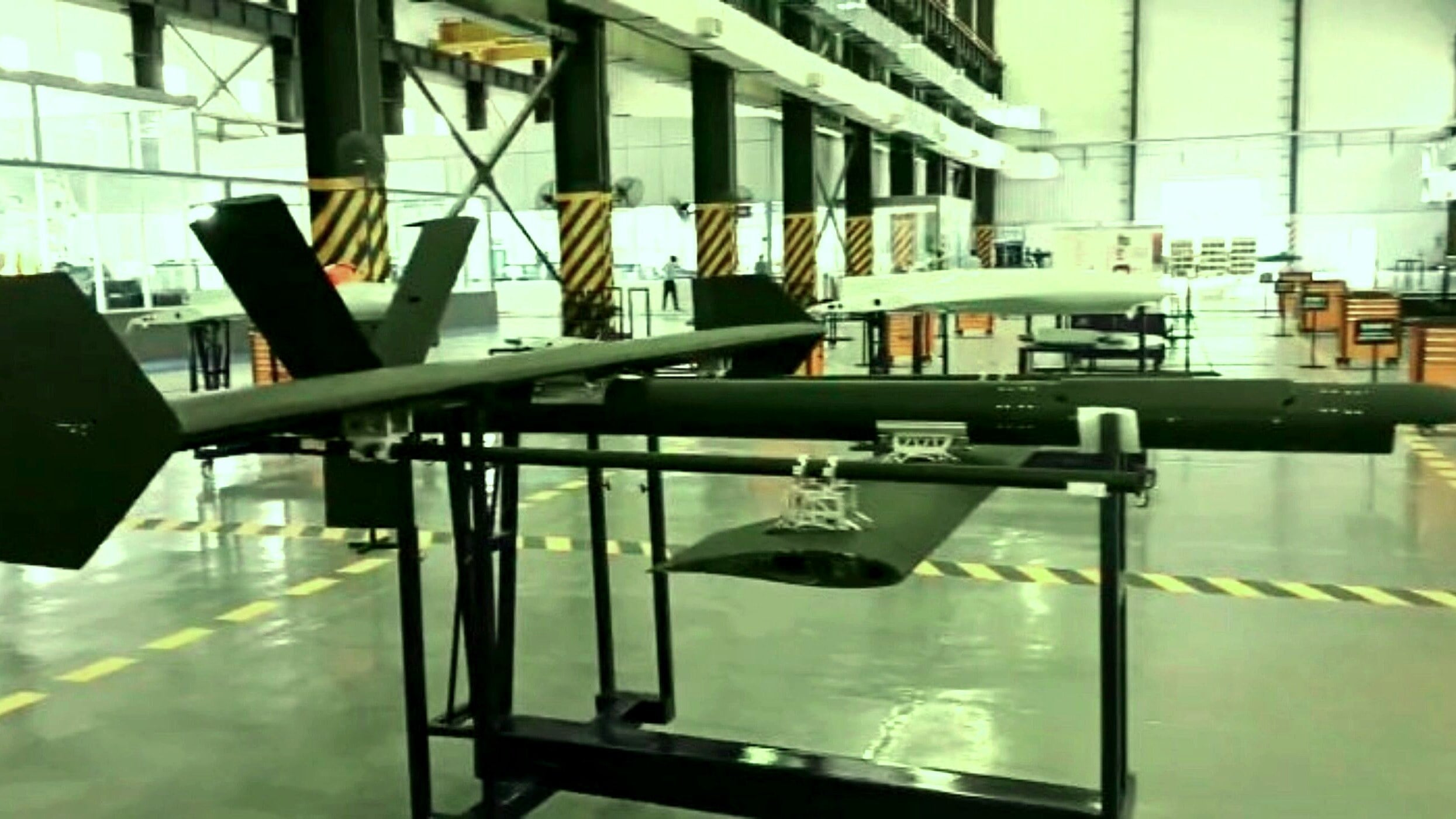




ISLAMABAD: Heavy Industries Taxila (HIT) has unveiled a groundbreaking venture with its introduction of advanced vertical take-off and landing (VTOL) killer and spy drones.
The launch of these drones marks a significant leap in the development of military technology within Pakistan.
The VTOL drones are reportedly modeled after the Yiha-3 Kamikaze design, offering innovative capabilities that promise to enhance strategic operations.
These drones feature a piston engine design tailored for efficient performance.
They also incorporate canister-based deployment systems facilitating expedited battlefield utilizations.
The VTOL killer drones are distinguished by their reduced noise profile.
This makes them more discreet and cost-effective compared to larger loitering munitions.
Military sources indicate that these drones can be effectively deployed by the Special Service Group (SSG) and other Army units.
Each drone is designed to be operational within battlefield ranges, presenting a tactical edge during engagements.
HIT’s new drone facility serves as an innovation hub showcasing these technological advancements.
The facility emphasizes the need for agile and adaptable military equipment in modern warfare.
With the development of these drones, Pakistan envisions bolstered defensive and reconnaissance capabilities.
This launch aligns with Pakistan’s commitment to enhancing its indigenous defense production.
The incorporation of Yiha-3 Kamikaze design elements reflects an ongoing collaboration in drone technology development.
As HIT continues to evolve its offerings, these drones represent a pivotal addition to the nation’s military arsenal.
The focus on reducing operational costs while maintaining effectiveness is a key strategy in these developments.
These efforts are part of a broader national strategy aiming at self-reliance in defense manufacturing.
The unveiling underscores HIT’s role as a central figure in Pakistan’s defense technological landscape.
Officials have expressed optimism that these innovations will significantly contribute to national security.
This is a developing story, and further details are expected as production scales and operational feedback emerges.
Pakistan’s military remains committed to pursuing technological advancements that align with strategic defense objectives.
The focus now shifts to the deployment and tactical integration of these drones within military operations.
Stakeholders are closely monitoring the impact of these advancements on regional and global defense dynamics.