



US-Iran Deal
ISLAMABAD: Pakistan has proposed a creative middle-ground formula to resolve the deadlock over unfreezing Iranian assets, a key obstacle in ongoing US-Iran negotiations, Senior Journalist Kamran Yousaf has claimed.
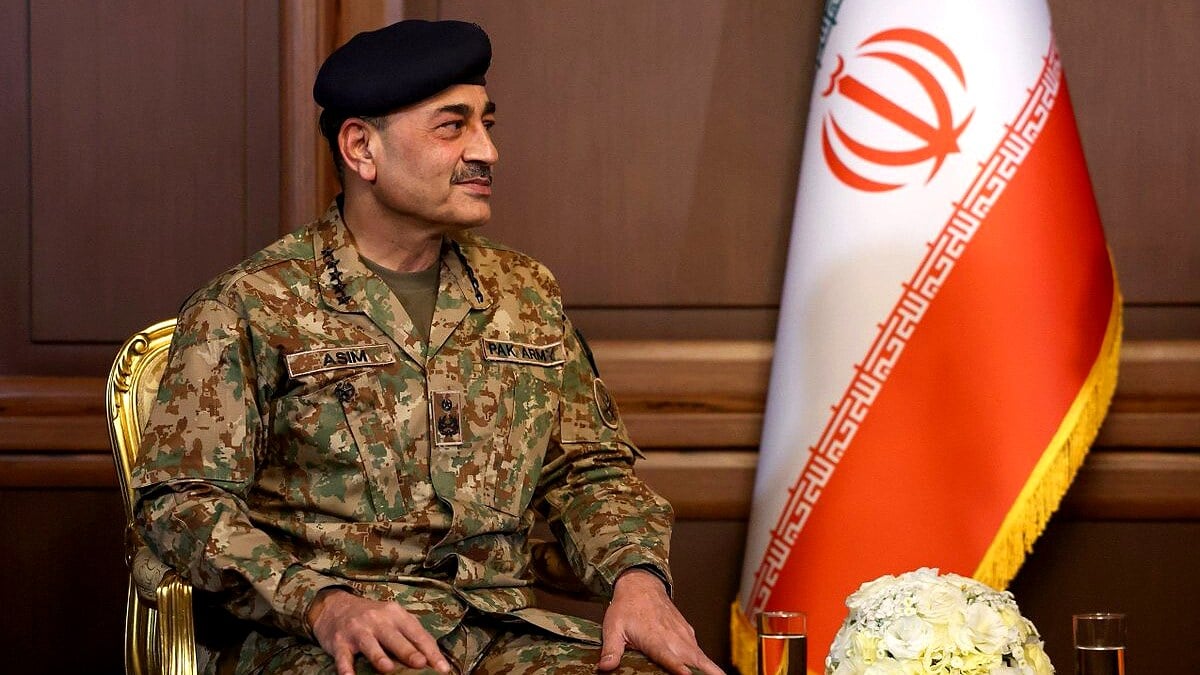
Interior Minister Syed Mohsin Raza Naqvi is carrying a special message from Army Chief Field Marshal Asim Munir to Iranian Supreme Leader Ayatollah Ali Khamenei during his latest visit to Tehran.
The initiative focuses on placing portions of frozen Iranian assets in a trusted third country, with phased release tied to verifiable progress on contested issues.
The Pakistan Civil Aviation Authority and other relevant departments have supported the high-level diplomatic effort. Officials describe it as a practical mechanism to build confidence between Washington and Tehran.
Iran seeks access to significant frozen funds estimated between $100 billion and $120 billion worldwide. Reports indicate Tehran is pressing for $12 billion to $24 billion in immediate or phased unfreezing as part of any comprehensive agreement.
US President Donald Trump has maintained that any financial concessions must deliver concrete returns, particularly on security and nuclear-related commitments.
The asset issue emerged as the primary sticking point after initial rounds of indirect talks hosted in Islamabad earlier this year.
Pakistani officials familiar with the process confirmed that Naqvi’s engagements in Tehran aim to bridge this gap. The proposal involves escrow arrangements in neutral jurisdictions acceptable to both sides.
Such a structure would allow conditional access to funds based on milestones, reducing immediate risks for the US while providing Iran with economic relief.
Defence and diplomatic sources in Islamabad emphasised Pakistan’s unique position as a mediator. The country maintains working relations with both Washington and Tehran, including longstanding people-to-people and energy ties with Iran.
This latest diplomatic push comes amid a fragile regional ceasefire established in April 2026 following direct US-Iran tensions.
Pakistan has hosted multiple rounds of talks and shuttled proposals between the two capitals. Army Chief Munir’s personal involvement underscores the strategic importance attached to successful de-escalation.
Iran’s economy, estimated at around $300-400 billion GDP, stands to gain substantially from asset release. The frozen funds represent a significant portion equivalent to roughly one-quarter to one-third of annual output.
Previous limited releases, such as $6 billion in earlier humanitarian arrangements, highlighted the complexities of sanctions relief and banking channels.
The current Pakistani formula introduces a verifiable third-party oversight element. This could involve international financial institutions or trusted partners like Qatar or Oman for holding and disbursing tranches.
Iranian Foreign Minister Abbas Araqchi has held multiple meetings with Naqvi in recent weeks. Discussions covered broader aspects including the Strait of Hormuz security and nuclear file parameters.
US Secretary of State reports have noted incremental progress through the Pakistani channel, though core differences persist on enrichment levels and regional proxies.
Market implications remain significant. Global oil prices have shown volatility due to uncertainties around Hormuz shipping lanes, with temporary disruptions affecting energy markets.
Pakistan’s own interests align with stability. The country shares a 900-kilometre border with Iran and relies on regional calm for trade, counter-terrorism cooperation, and Chabahar port connectivity alternatives.
Analysts point to Pakistan’s mediation role as a rare instance of middle-power diplomacy yielding traction. Islamabad facilitated the initial ceasefire framework and continues to serve as the primary conduit.
Public and official reactions in Pakistan have been supportive of the government’s proactive stance. It enhances the country’s international profile without direct entanglement in the conflict.
The visit by Naqvi marks one of several recent trips, reflecting sustained shuttle diplomacy. Coordination with military leadership ensures alignment on national security dimensions.
Broader background includes decades of US sanctions on Iran dating back to 1979, with asset freezes accumulating across multiple jurisdictions including Europe, Asia, and the Gulf.
The proposed out-of-box approach seeks to address mutual distrust by introducing conditional mechanisms and neutral custodianship.
Strategic observers note that successful implementation could pave the way for wider sanctions relief and long-term nuclear understanding.
However, challenges remain in verification protocols and enforcement if one side perceives non-compliance.
The coming days are expected to clarify Iranian r