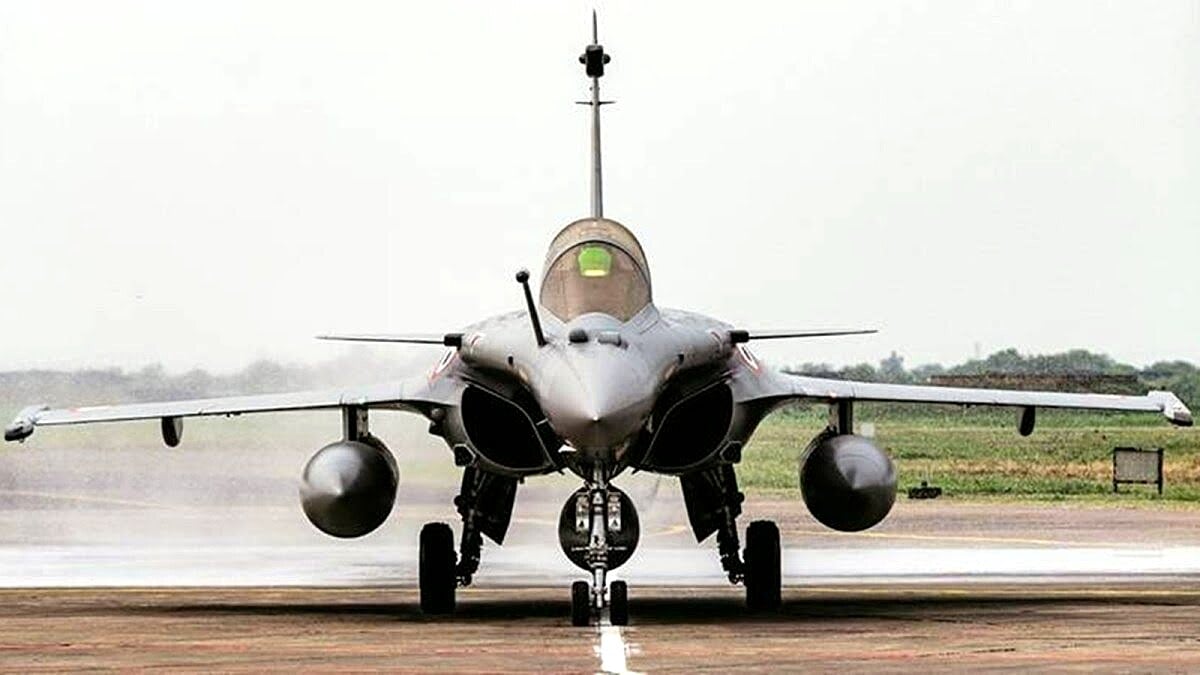




(India Seeks 200 New Figher Jets For IAF and Navy in Largest Ever Deal of the History)
Deal of the History
ISLAMABAD: India has issued a Letter of Request to France for the procurement of 114 Dassault Rafale multi-role fighter jets for the Indian Air Force. The proposed government-to-government deal is valued at approximately Rs 3.25 lakh crore.
Meanwhile, Indian Navy has also shown keen interest in seeking the naval variant of the Rafale with deal likely to include several squadrons for the Aircraft carrier.
Defence Ministry sources confirmed the Acquisition Wing sent the formal request last week. This marks a significant step in what could become India’s largest fighter aircraft procurement programme.
The move aims to address the Indian Air Force’s declining squadron strength, currently reported at around 29-30 squadrons against a sanctioned strength of 42.
Of the 114 aircraft, reports indicate around 94 will be manufactured in India through partnership with Dassault Aviation, targeting up to 50 percent indigenous content under the Make in India initiative.
**Official Statements**
Indian Air Force Chief Air Chief Marshal Amar Preet Singh began a three-day visit to France on June 1 to review progress and engage with Dassault facilities.
French officials are expected to respond to the Letter of Request within the next two to three months. Negotiations could conclude within the next year, sources said.
**Key Data and Figures**
The deal covers a mix of single-seater and twin-seater variants. Initial deliveries of fly-away aircraft could begin within 3-4 years of contract finalisation, with licensed production following.
India already operates 36 Rafale jets acquired in 2016 for approximately Rs 59,000 crore. The Indian Navy signed a separate deal in April 2025 for 26 Rafale-M carrier-based variants worth around Rs 63,000 crore.
If the new order materialises, India’s total Rafale fleet could reach 176 aircraft. The Navy may seek an additional 31 Rafale-M jets, potentially pushing its naval Rafale fleet to 57.
The Rafale is a 4.5-generation fighter with a combat radius of over 1,000 km, supercruise capability, and integration potential for Indian weapons such as Astra missiles. It features advanced radar and electronic warfare systems.
**Background Context**
The Indian Air Force has long pursued the Multi-Role Fighter Aircraft programme to replace ageing MiG-21 and other legacy platforms. The original 2016 Rafale deal provided an interim boost, but squadron depletion continued due to retirements.
Tensions along the borders with China and Pakistan have accelerated modernisation efforts. The current proposal builds on the established India-France defence partnership, which includes technology transfer and joint production elements.
**Reactions and Impact**
Defence analysts view the deal as a boost to India’s air combat capabilities and domestic manufacturing. It is expected to generate significant offsets and employment in the aerospace sector.
Regional observers note the potential enhancement of India’s strike and air superiority potential in the Indian Ocean Region and along land borders. Market reactions in defence stocks remained positive following the LoR issuance.
The deal aligns with broader Indian Navy expansion plans, which include commissioning new vessels and strengthening carrier air wings for two operational carriers.
**Strategic Angle**
The acquisition reflects India’s push for self-reliance while deepening strategic ties with France. Successful implementation could set a model for future large-scale defence collaborations involving substantial local manufacturing.
For Pakistan, the development underscores the ongoing arms race dynamics in South Asia. It highlights the need for continued modernisation of Pakistan Air Force capabilities to maintain credible deterrence.
Future steps will include detailed technical and commercial negotiations. Timelines for contract signing and first deliveries will shape the pace of IAF squadron restoration over the next decade.
Regional security implications will depend on final contract terms, technology integration levels, and parallel developments in neighbouring air forces. Observers will monitor how this large-scale procurement influences broader stability in the subcontinent.