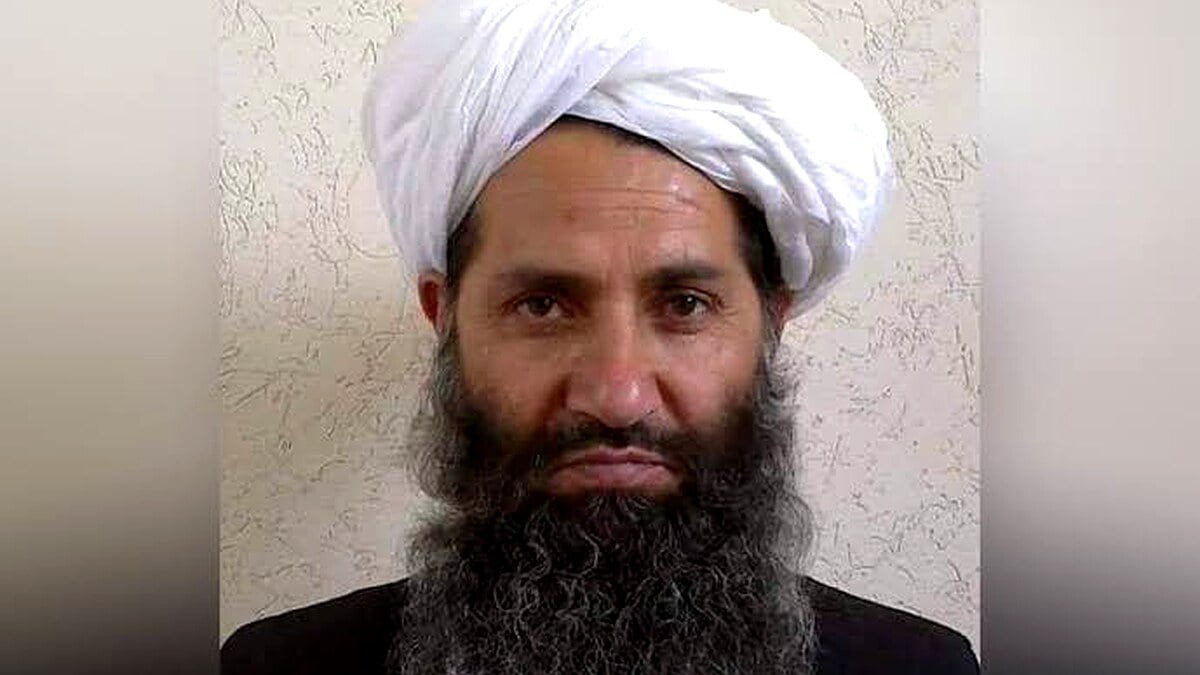




ISLAMABAD: The Taliban regime has informally conveyed to Pakistani authorities that Supreme Leader Hibatullah Akhundzada has warned the Tehrik-i-Taliban Pakistan (TTP) to stop attacks inside Pakistan or risk losing the Afghan Taliban’s allegiance.
Pakistani sources described the message as part of Kabul’s effort to demonstrate sincerity in addressing Islamabad’s security concerns over militants operating from Afghan soil.
However, Islamabad views the communication as insufficient to bring meaningful change on the ground.
A credible Pakistani source told local media that the message was delivered through informal channels. It forms part of broader diplomatic signalling amid heightened border tensions.
TTP attacks have risen significantly in recent years. According to data from the Armed Conflict Location & Event Data Project (ACLED), the group carried out over 600 attacks in Pakistan in 2025, marking one of the highest levels in a decade.
Violence has continued into 2026, with TTP operations contributing to over 3,900 terrorism-related fatalities across Pakistan in 2025 alone, per South Asia Terrorism Portal figures.
Pakistan has repeatedly accused the Afghan Taliban of providing sanctuaries to TTP fighters. In response, Islamabad conducted multiple cross-border operations targeting militant hideouts.
Relations between the two neighbours deteriorated sharply after incidents including Pakistani airstrikes in Afghan provinces in late 2025 and early 2026. These actions followed major TTP attacks, including suicide operations in Islamabad and Khyber Pakhtunkhwa that killed dozens of security personnel and civilians.
The Afghan Taliban have historically maintained ideological ties with TTP but operate as distinct entities with separate command structures. TTP, formed in 2007, seeks to impose its version of Sharia across Pakistan and has an estimated strength of several thousand fighters.
Official Pakistani statements have stressed that Kabul must take concrete action against TTP sanctuaries rather than relying on verbal assurances.
Defence and interior ministry sources have highlighted that mere warnings have not translated into reduced cross-border infiltration or dismantled militant networks.
Market reactions in Pakistan have remained cautious. The Pakistan Stock Exchange showed minor volatility amid ongoing security concerns, while border trade volumes between the two countries have declined due to repeated closures and heightened risks.
Public sentiment in Khyber Pakhtunkhwa and Balochistan, regions most affected by TTP violence, reflects frustration over persistent instability despite repeated diplomatic engagements.
**Background Context**
Tensions escalated after the Afghan Taliban’s return to power in 2021. Pakistan initially anticipated improved security cooperation but faced a resurgence in TTP activity, which intelligence reports link to Afghan territory.
By 2025, TTP attacks increased by nearly 90 percent in some metrics compared to previous years, prompting Pakistan to shift from dialogue to targeted military responses.
**Reactions and Impact**
Afghan officials have not publicly confirmed the specific warning from Hibatullah Akhundzada. Pakistani sources indicate the message was conveyed privately to build confidence ahead of potential further talks.
Regional observers note that while the Taliban leadership maintains influence over aligned groups, enforcing compliance against TTP remains challenging due to shared Pashtun networks and operational overlaps.
**Strategic Implications**
The latest communication highlights the complex dynamics in Pakistan-Afghanistan relations. Sustained pressure from Islamabad, including military operations and border management measures, appears aimed at forcing tangible action against TTP infrastructure.
Future developments will likely depend on whether Kabul follows the warning with verifiable steps, such as restricting TTP movement or dismantling camps. Without such measures, analysts expect continued cycles of attacks, retaliatory operations, and diplomatic friction.
Pakistan has indicated it will maintain its defensive posture while keeping channels open for dialogue conditional on results on the ground.