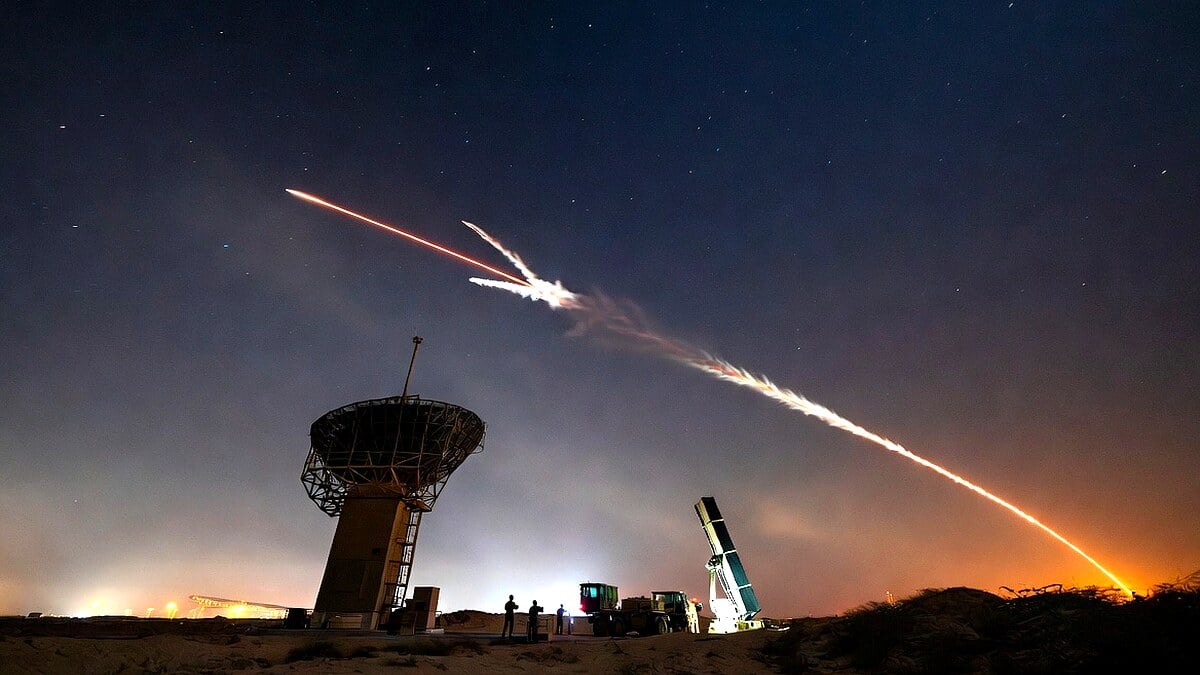




ISLAMABAD: US Central Command has confirmed that Kuwaiti air defences successfully intercepted an Iranian ballistic missile launched towards a US military facility in Kuwait on May 27.
The incident occurred at 10:17 p.m. Eastern Time, hours after Iranian forces deployed five one-way attack drones near the Strait of Hormuz. CENTCOM described the missile launch as an “egregious ceasefire violation.”
No major casualties were reported from the missile strike itself. Kuwaiti Patriot systems engaged the projectile, preventing direct impact on Ali Al Salem Air Base, which hosts US forces.
Pakistani officials are closely monitoring developments given Islamabad’s strategic interests in Gulf stability and ongoing diplomatic efforts to support regional de-escalation.
**Official Statements**
CENTCOM stated that Kuwaiti forces defeated the threat immediately. The command linked the attack to prior US defensive strikes on Iranian drone control sites near Bandar Abbas.
“US Central Command and regional partners remain vigilant and measured as we continue to defend our forces and interests from unjustified Iranian aggression,” the statement added.
Kuwaiti authorities condemned the incident as part of repeated Iranian actions. Iran has not issued an official confirmation of the specific launch targeting Kuwait.
**Key Data and Figures**
The missile involved is believed to be a Fateh-110 variant with a range of approximately 300 kilometres. Flight time from Iranian territory to Kuwait targets is estimated at under five minutes.
Kuwaiti Patriot PAC-3 batteries achieved the interception. Reports indicate minor injuries to around five US personnel and contractors from falling debris, with all returning to duty within 24 hours.
This follows US strikes on Iranian radar and command sites in southern Iran and Qeshm Island. Earlier, five Iranian drones were downed near the Strait of Hormuz, a critical chokepoint handling 21 percent of global petroleum trade.
The temporary ceasefire, reportedly brokered with regional input including Pakistani channels in April 2026, now faces fresh pressure.
**Background Context**
Tensions between the US and Iran have persisted over nuclear issues, regional proxies, and freedom of navigation in the Gulf. Kuwait hosts several key US bases, including Ali Al Salem, which supports air operations and hosts around 13,000 American troops in the country as part of broader CENTCOM presence.
Previous exchanges this year included Iranian drone strikes on Kuwaiti facilities and US retaliatory actions. Pakistan maintains strong ties with both Gulf Arab states and has advocated for dialogue to prevent wider conflict affecting energy routes and expatriate workers.
**Reactions and Impact**
Gulf Cooperation Council members expressed concern over the breach. Saudi Arabia and UAE called for restraint to protect economic recovery. Oil prices rose by 2.8 percent in early trading following the reports before stabilising.
In Pakistan, defence analysts noted the incident highlights vulnerabilities in regional air defence coordination. No immediate impact was reported on Pakistani expatriates working in Kuwait, who number over 800,000.
International observers at the United Nations urged both sides to honour ceasefire terms and pursue diplomatic channels. China and Russia called for de-escalation to safeguard global energy security.
**Strategic Outlook**
The interception demonstrates effectiveness of integrated Gulf air defence networks against short-range ballistic threats. However, the use of debris-related injuries underscores challenges in fully neutralising high-speed projectiles even after successful intercepts.
Future developments may involve enhanced US-Kuwait missile defence cooperation and potential reviews of the fragile ceasefire framework. Regional stakeholders, including Pakistan, are expected to push for confidence-building measures to address underlying disputes over the Strait of Hormuz and nuclear concerns.
Questions persist on whether this incident will lead to renewed diplomatic engagement or further tit-for-tat actions in the coming weeks. Stability in the Gulf remains critical for South Asian economies dependent on remittances and energy imports.