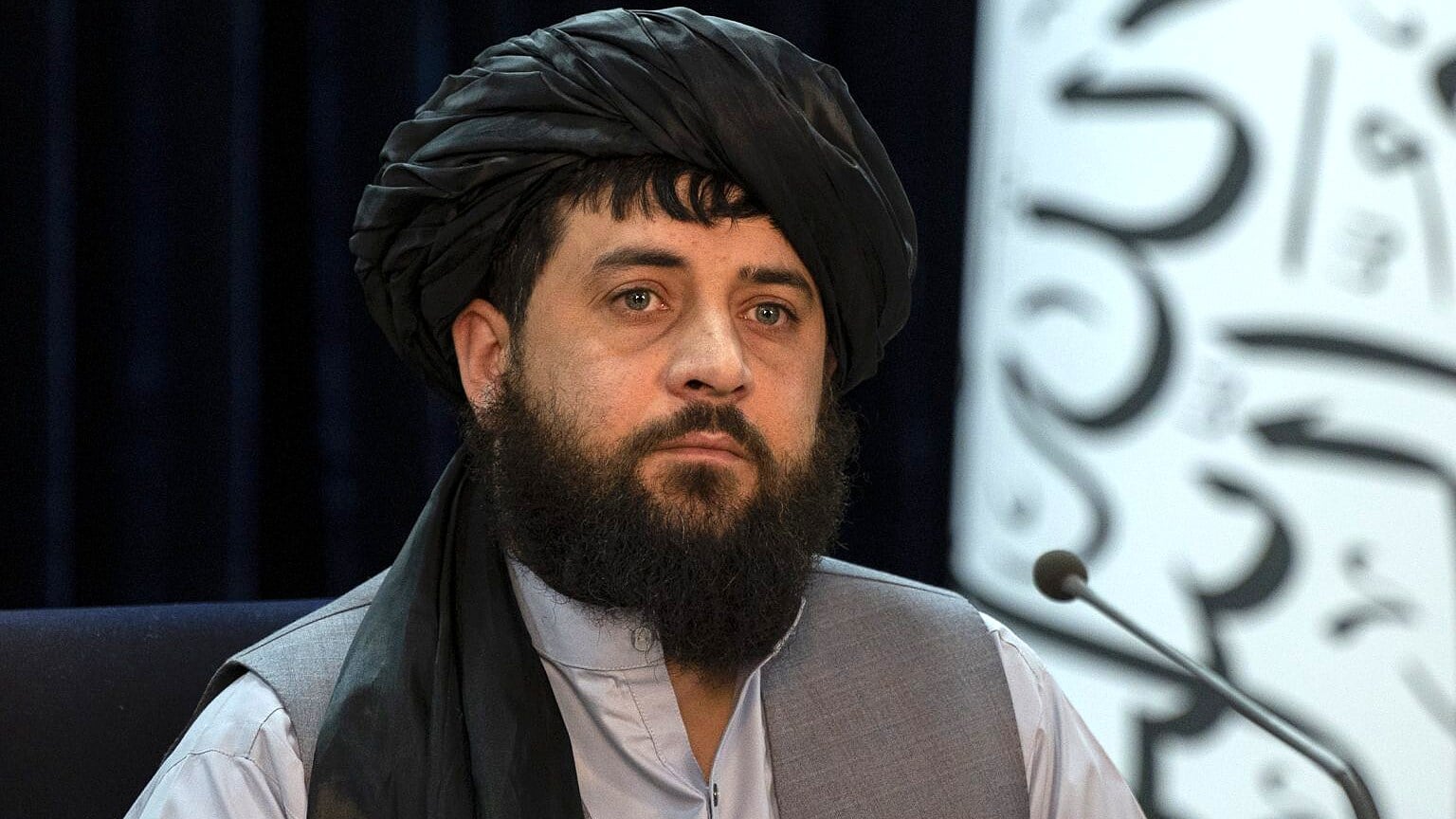




ISLAMABAD: Taliban Defence Minister Mohammad Yaqoob Mujahid has claimed that some countries are actively working to destabilise security in Afghanistan. He made the remarks during a regional security conference in Moscow without naming specific nations.
The statement comes amid persistent tensions with Pakistan over cross-border militancy. Pakistan has repeatedly pressed the Taliban to take action against Tehrik-i-Taliban Pakistan (TTP) fighters operating from Afghan soil.
Yaqoob Mujahid also asserted that no country should interfere in Afghanistan’s internal affairs. He claimed that Daesh, also known as ISIS, has been completely eliminated from the country.
However, United Nations monitoring reports present a different picture. A UN Analytical Support and Sanctions Monitoring Team report estimates around 6,000 TTP fighters are present in Afghanistan.
The same UN mechanisms have documented the continued presence of ISIS-Khorasan (ISIS-K) fighters, with estimates placing their numbers at approximately 2,000 in recent assessments.
Pakistan has faced a surge in TTP attacks since 2021. The group carried out 595 attacks in Pakistan in 2025, resulting in 637 deaths, according to the Global Terrorism Index 2026. This marks a 13 percent increase from the previous year.
Pakistani officials maintain that TTP leadership and fighters enjoy safe havens in Afghanistan. Taliban authorities consistently deny providing any support or sanctuary to the group.
The Moscow conference brought together defence officials from several regional countries to discuss shared security challenges. Russia has shown increasing engagement with the Taliban-led administration on counter-terrorism matters.
Yaqoob Mujahid’s participation marks a notable diplomatic outing for the Taliban defence chief. It follows Russia’s formal recognition of the Taliban government in 2025, the first country to do so.
Regional security dynamics remain complex. Afghanistan shares a porous 2,600-kilometre border with Pakistan, much of it in mountainous terrain that facilitates militant movement.
The UN has repeatedly highlighted the permissive environment for terrorist groups under Taliban rule. Reports note that groups including al-Qaeda continue to benefit from patronage and operational space.
Public and official reactions in Pakistan have been cautious. Islamabad has called for concrete action rather than statements, particularly on dismantling TTP networks.
Economic implications are significant. Persistent border instability has affected trade volumes between Pakistan and Afghanistan, which historically reached over $2 billion annually before recent tensions.
Security analysts note that cross-border operations by Pakistani forces have increased in response to TTP activities. These operations have displaced tens of thousands in border regions over the past year.
Yaqoob Mujahid’s remarks on non-interference align with long-standing Taliban positions. However, neighbouring countries continue to express concern over the spillover of militancy.
The Taliban defence minister’s claim regarding Daesh’s elimination contrasts sharply with ground realities reported by UN experts. ISIS-K has maintained its capability to conduct high-profile attacks targeting both Afghan and foreign interests.
Future developments will likely depend on tangible counter-terrorism cooperation. Pakistan has emphasised the need for actionable intelligence sharing and joint operations against TTP.
The Moscow platform may open channels for further regional dialogue. However, deep mistrust between Kabul and Islamabad continues to hinder progress on security issues.
Regional stakeholders will watch closely how the Taliban balances its statements with practical measures against terrorist groups operating from Afghan territory.