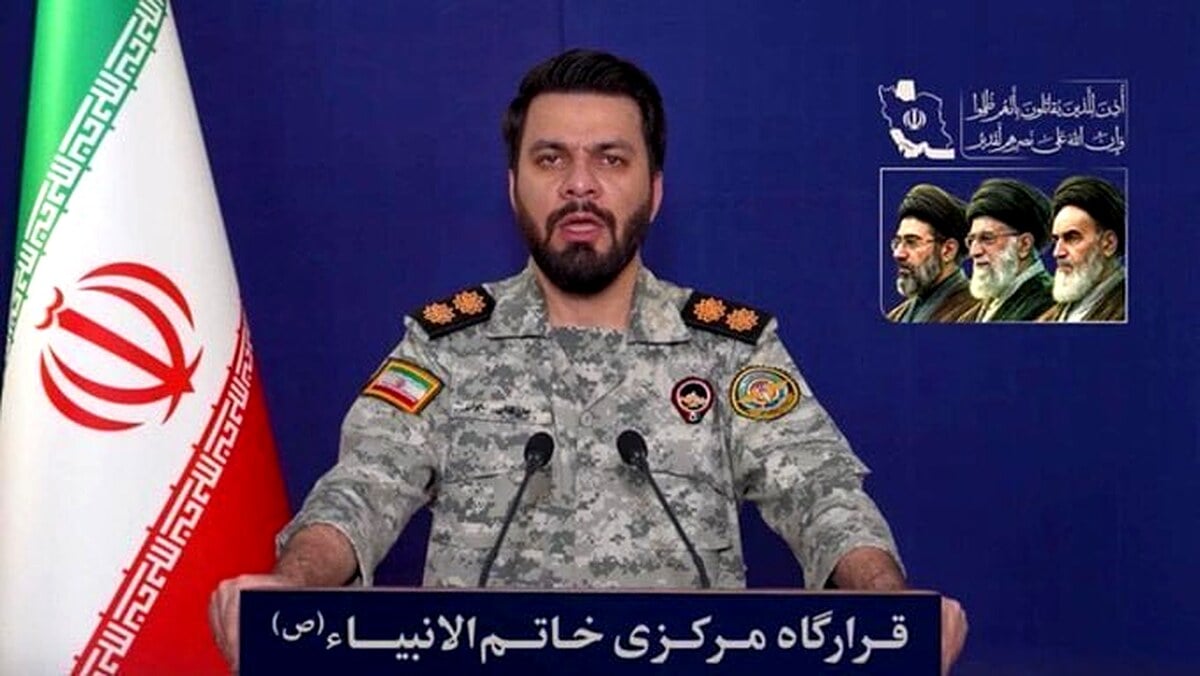




ISLAMABAD: Iran has expressed strong solidarity with Oman after US President Donald Trump threatened military action against the Gulf state.
Foreign Ministry spokesman Esmaeil Baghaei condemned what he described as threatening rhetoric from US officials and affirmed Tehran’s support for Muscat.
The development comes amid heightened tensions over control of the Strait of Hormuz, a critical chokepoint for global oil trade.
Trump made the remarks during a cabinet meeting on Wednesday, stating that Oman must “behave just like everybody else” or “we’ll have to blow them up.” He rejected any joint Iran-Oman arrangement to manage or impose fees on shipping through the waterway.
The Strait of Hormuz carries approximately 20 percent of global oil trade. Recent disruptions, including reported Iranian mining activities, have already affected energy markets.
Oman has long served as a key mediator between Iran and the United States. Muscat hosted indirect talks aimed at de-escalating the ongoing regional crisis.
Baghaei stated that Iran would take all necessary measures to defend its national sovereignty while condemning threats against both Tehran and regional countries.
The Iranian statement follows recent US strikes on targets near Bandar Abbas in southern Iran. Tehran has reported retaliatory actions, though details remain limited.
Oil prices have risen sharply in response to the escalating rhetoric. Brent crude surged more than four percent in early trading on Thursday amid fears of further supply disruptions.
Pakistan, which maintains strong ties with both Oman and Iran, is closely monitoring the situation. The Strait remains vital for Islamabad’s energy imports, with over 80 percent of Pakistan’s oil passing through Gulf routes.
Analysts note that Oman’s strategic position and its policy of balanced diplomacy have come under pressure. The country has traditionally avoided direct alignment in major regional conflicts.
**Background Context**
Tensions over the Strait of Hormuz intensified after disruptions linked to the broader US-Iran confrontation. Iran has previously threatened to close the waterway in response to military pressure, a move that could spike global energy costs by 30 to 50 percent according to some institutional estimates.
Oman, though a US security partner, has maintained communication channels with Iran even during periods of high tension. This has positioned Muscat as a potential bridge for future negotiations.
**Reactions and Impact**
Regional observers have expressed concern over Trump’s blunt language toward a longstanding US ally. Critics describe the rhetoric as risky, potentially undermining Oman’s mediating role.
No immediate official reaction has emerged from Muscat, but diplomatic sources indicate heightened alertness in Gulf capitals. Saudi Arabia and the UAE are reportedly assessing the implications for shipping security.
**Strategic Angle**
The episode highlights the fragility of diplomatic efforts to stabilise the Strait. Any sustained closure or fee regime could cost global economies billions in higher energy prices and shipping delays.
For Pakistan, continued instability risks higher fuel import bills and potential inflation pressure, already running above 10 percent in recent months.
Future developments will likely depend on progress in indirect US-Iran talks and whether Oman continues its mediation track. The coming days may see further statements from Gulf Cooperation Council members seeking to calm the situation.
The Iranian expression of solidarity adds another layer to an already complex regional security environment.