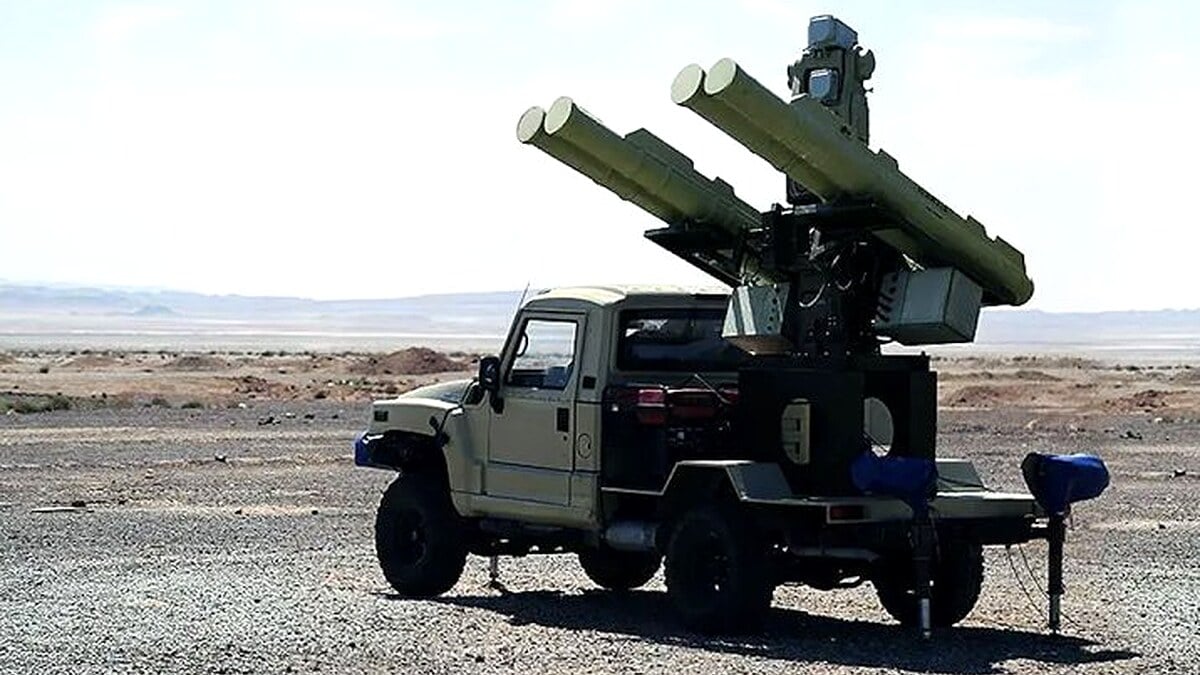




System
ISLAMABAD: Iranian air defence forces have shot down a “hostile drone” over the Persian Gulf using the newly deployed Arash-e Kamangir air defence system.
The incident occurred in the past few hours near strategic waters close to the Strait of Hormuz, according to Iranian state-linked media. Officials described the operation as a demonstration of Iran’s enhanced defensive capabilities in the region.
Semi-official Fars News Agency and Mehr News reported that the drone was intercepted and destroyed using the Arash-e Kamangir system, which features “hidden capabilities” designed to counter stealth aircraft.
**Iranian military sources** stated the action sends a clear message that no stealth drone can penetrate the skies over the Persian Gulf. The system was used to track and engage the target successfully in what officials called a routine defence operation.
Defence analysts note the Arash-e Kamangir as part of Iran’s efforts to upgrade its integrated air defence network amid ongoing regional tensions.
**Key operational details remain limited.** Iranian reports did not identify the drone’s origin or nationality. The interception took place near Qeshm Island, a strategically important area controlling access to the Strait of Hormuz.
The Strait of Hormuz handles approximately 20-21 percent of global seaborne oil trade. Daily oil flow through the waterway averages around 21 million barrels, making it one of the world’s most critical chokepoints.
Iran has previously reported multiple drone interceptions in the Gulf region. In recent months, Iranian forces claimed to have downed over 170 hostile drones during periods of heightened conflict, according to statements from senior air defence commanders.
**Background context** Iran has invested heavily in indigenous air defence systems following international sanctions and regional security challenges. The Arash-e Kamangir system represents the latest addition, focusing on advanced interceptor capabilities against low-observable and high-speed aerial threats.
Iran established full operational control over its integrated air defence network under the Khatam al-Anbiya Air Defence Base. Previous notable incidents include the 2019 downing of a US RQ-4 Global Hawk drone near the same region.
The latest claim comes amid persistent tensions involving Iran, the United States, Israel and Gulf states. No independent verification of the drone’s identity has been provided by international sources so far.
**Reactions and impact** Iranian officials hailed the successful interception as proof of the country’s technological progress in air defence. State media released statements emphasising Iran’s determination to protect its territorial waters and airspace.
Regional shipping and energy markets remain sensitive to developments in the Persian Gulf. Any disruption in the Strait of Hormuz could significantly affect global oil prices and supply chains.
Gulf Cooperation Council countries and international naval forces maintain active monitoring in the area. No immediate comments were available from the United States or other parties regarding the reported incident.
**Strategic implications** The deployment of the Arash-e Kamangir system indicates Iran’s continued focus on asymmetric defence capabilities. It aims to deter potential aerial incursions while asserting control over vital maritime routes.
The incident highlights ongoing challenges in the Persian Gulf, where multiple powers operate military assets. Iran’s air defence upgrades form part of broader efforts to modernise its military inventory despite external pressures.
Future developments may include additional tests or deployments of the new system. Iranian authorities are expected to provide further technical details in coming days if the operation is formally acknowledged at higher levels.
Regional stability in the Gulf will depend on how involved parties manage such incidents amid existing diplomatic and security dynamics.