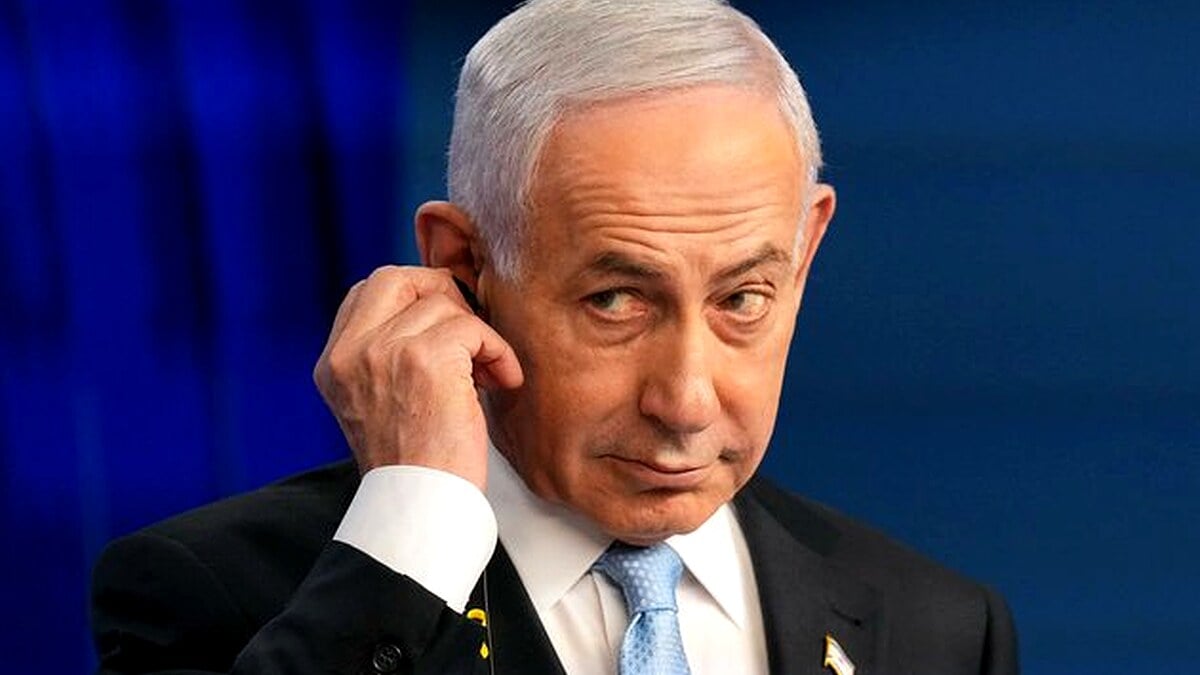




(Israeli PM Netanyahu Faces a Big Setback in Pakistan Mediated US-Iran Peace Deal )
Netanyahu Sidelined
ISLAMABAD: A New York Times report has highlighted a significant shift in the post-conflict diplomatic landscape, noting Israel’s markedly reduced role in ongoing Iran peace negotiations.
According to the report, Israeli Prime Minister Benjamin Netanyahu has been effectively excluded from key policy-making processes in the talks. This development marks a departure from the early stages of the Iran conflict when Israel and the United States coordinated closely on military actions against Iranian targets.
The NYT report states that during the initial phases of the conflict, Netanyahu was considered a central strategic partner by the US administration. Joint Israel-US operations were conducted with high-level coordination, reflecting strong alignment at that time.
However, the dynamics changed as ceasefire and peace efforts gained momentum. The Trump administration reportedly provided Israel with limited information regarding the negotiation framework, restricting Tel Aviv’s input in shaping the final terms.
Pakistani diplomatic sources, speaking on condition of anonymity, described the development as a notable setback for Israeli leadership. They noted that the reduced Israeli influence could open space for broader regional players in the stabilisation process.
The report underscores that while Israel played a visible part in the kinetic phase of the conflict, its leverage has diminished during the diplomatic phase. This shift is being viewed within Israeli circles as a strategic disappointment for the Netanyahu government.
Key elements of the current negotiations reportedly focus on long-term security guarantees, nuclear programme restrictions, and regional de-escalation mechanisms. Multiple Arab states and European partners have increased their engagement in these talks.
According to estimates cited in various international assessments, the Iran conflict caused significant economic disruption across the Middle East, with regional trade losses exceeding $40 billion in the first six months. Oil price volatility reached 28 percent during peak confrontation periods.
Pakistani officials have consistently called for inclusive diplomatic efforts that respect sovereignty and avoid exclusionary approaches. Foreign Office spokespersons have emphasised the need for comprehensive regional consensus to prevent future escalation.
The sidelining of Netanyahu comes amid domestic political challenges in Israel, where opposition voices have questioned the effectiveness of his hardline strategy in delivering lasting security gains.
Diplomatic observers suggest the current negotiation format reflects a preference for multilateral formats over bilateral Israel-centric arrangements. This approach has gained traction among several Gulf states seeking stable energy routes and economic recovery.
The Trump administration’s decision to limit information flow to Israel is being interpreted as a pragmatic move to facilitate smoother engagement with Iranian counterparts and other regional stakeholders.
Regional analysts point out that such shifts in influence are not uncommon in prolonged conflicts transitioning to political settlements. However, for Israel, this represents a notable erosion of its earlier dominant position in shaping the Iran policy narrative.
The situation remains fluid, with multiple rounds of indirect talks reported in various European and Gulf capitals. Key sticking points include verification mechanisms for nuclear compliance and timelines for sanctions relief.
Future developments will likely depend on how major powers balance security concerns with economic reconstruction needs in the region. The coming weeks are expected to see further clarification on the structure and participants of the formal peace framework.
Pakistan continues to monitor these developments closely, given their potential impact on broader West Asian stability, energy markets, and strategic balance.