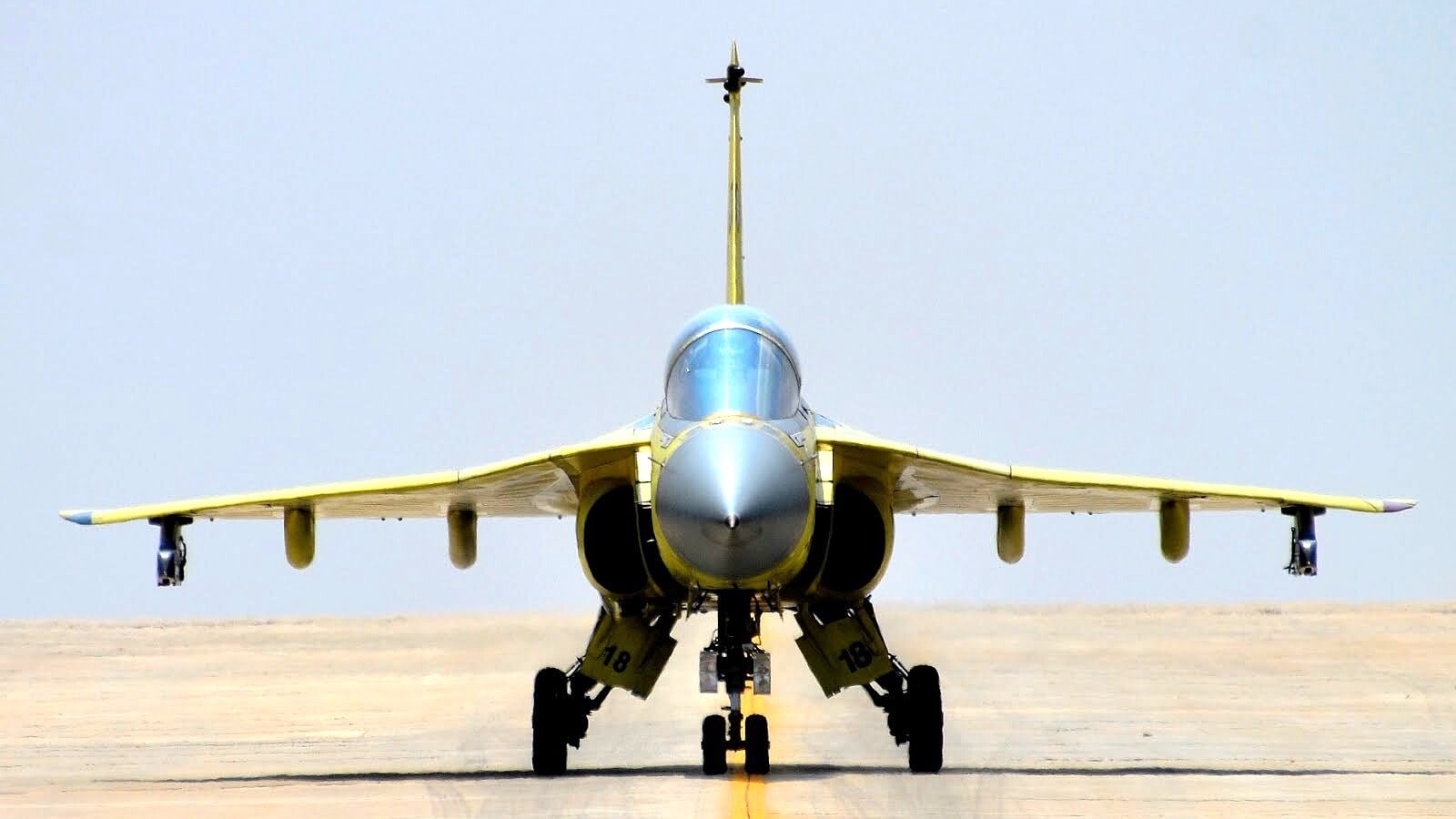




ISLAMABAD: The Indian Air Force’s much-delayed Tejas Mk-1A fighter jet programme has encountered another setback after a critical programme review meeting between Hindustan Aeronautics Limited and the IAF, originally scheduled between late April and early May 2026, failed to take place.
Defence sources told Indian media outlets that the meeting, intended to assess progress on mandatory operational requirements including radar integration and resolve ongoing timeline slippages, has now been pushed to June. No firm date has been finalised.
The review was expected to determine whether the first batch of Tejas Mk-1A aircraft could be accepted by the IAF in the coming months. Its postponement indicates that HAL has yet to submit a comprehensive updated assessment on technical challenges.
The Tejas Mk-1A is an upgraded variant under a Rs 48,000-crore contract signed in 2021 for 83 aircraft. The programme is already running more than two years behind schedule, with primary issues centred on integration of the AESA radar with the electronic warfare suite and other mission systems, software validation, and supply of GE F404 engines.
HAL has maintained that five aircraft are structurally complete and have undergone certain trials, but the IAF continues to insist on meeting full operational benchmarks before acceptance. Sources indicate possible consideration of limited relaxations on electronic warfare automation for initial batches to accelerate deliveries, now tentatively targeted for August-September 2026.
The delays come as the IAF grapples with a severe shortage in combat strength. The force is currently operating around 29 to 31 fighter squadrons against a sanctioned requirement of 42.5. Retirement of legacy MiG-21 squadrons has further reduced operational numbers, creating pressure to induct new platforms rapidly.
Each squadron typically requires 16-18 aircraft. The Tejas Mk-1A was viewed as a key near-term solution to help bridge this gap, with plans to eventually field multiple squadrons of the indigenous fighter.
The Indian government and HAL have pushed for accelerated production, aiming for rates of 16-20 aircraft per year once supply chains stabilise. However, repeated slippages in engine deliveries, avionics integration, and certification have hindered progress.
Background on the programme shows the original Tejas Mk-1 faced similar developmental challenges before limited induction. The Mk-1A incorporates significant upgrades including a more powerful radar, improved electronic warfare capabilities, and better avionics to meet modern combat needs.
Regional observers note that persistent delays in India’s indigenous fighter programmes continue to affect its two-front preparedness calculations, particularly along borders with Pakistan and China. While India maintains numerical superiority in overall air assets, operational squadron readiness remains a point of concern.
Market and industry implications include continued reliance on imported components despite self-reliance goals. The programme’s outcome will also influence future orders, including a reported follow-on for additional Tejas variants.
The postponement of the review meeting adds uncertainty to the induction timeline. HAL is expected to present detailed progress reports once the meeting is convened in June, after which the IAF will decide on acceptance criteria and revised delivery schedules.
Further developments in engine supply stabilisation from GE Aerospace and successful radar-EW synchronisation will be critical for any meaningful recovery in the programme. Until then, the IAF’s squadron strength challenges are likely to persist, with potential effects on overall operational posture in the region.