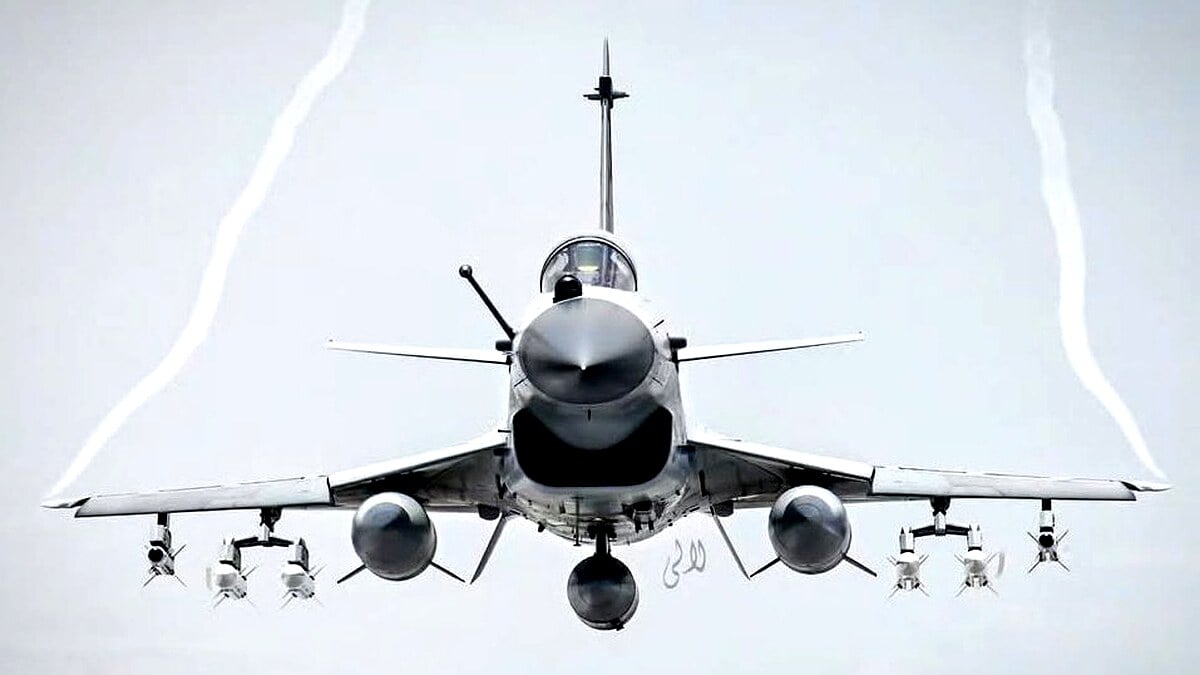




ISLAMABAD: Pakistan Air Force J-10C fighters achieved a 9-0 kill ratio against Qatar Emiri Air Force Eurofighter Typhoon jets during simulated combat engagements in the Zilzal-II joint air exercise held in Qatar in 2024.
The results emerged from multiple engagements that included both beyond-visual-range (BVR) and within-visual-range dogfight scenarios. Reports from Pakistani and Gulf Arab sources indicate four BVR victories and five close-range successes for the J-10C platforms.
This marked the first documented operational interaction between Pakistan’s Chinese-built J-10CE fighters and Qatar’s Eurofighter Typhoon fleet under structured training conditions. The exercise took place shortly after Pakistan’s induction of the advanced Chinese fighters.
Air force officials described the drills as successful in enhancing interoperability and operational readiness between the two forces. The PAF highlighted the professional conduct and mutual learning during the joint training.
The J-10C, often classified as a ‘4+ generation’ fighter, features advanced avionics, active electronically scanned array (AESA) radar, and integration with the PL-15 long-range air-to-air missile. Pakistan and Azerbaijan remain the primary export operators of this variant.
Qatar operates the Eurofighter Typhoon as part of its modern fighter fleet, equipped with advanced European sensors and weaponry. The Typhoon has seen service in multiple air forces but has faced recent scrutiny regarding operational costs and upgrade requirements.
The 2024 exercise results gained renewed attention following reports of the J-10C’s performance in subsequent high-intensity operations. In May 2025, the platform reportedly demonstrated strong results in real combat scenarios against Indian Air Force assets.
Defence analysts note that simulated outcomes depend on multiple variables, including pilot training, rules of engagement, electronic warfare support, and specific mission profiles. Neither Pakistan nor Qatar has issued official confirmation of the exact 9-0 tally, but Pakistani defence circles have widely circulated the reported figures.
The Zilzal-II exercise formed part of broader defence cooperation between Pakistan and Qatar. It included various training elements beyond air combat, focusing on tactical coordination and joint operational procedures.
**Background and Context** Pakistan formally inducted the J-10CE in recent years as part of efforts to modernise its fighter fleet. The aircraft complements existing platforms such as the JF-17 Thunder and legacy F-16s. The acquisition provided the PAF with new capabilities in network-centric warfare and multi-role operations.
Eurofighter partner nations and operators have meanwhile reviewed fleet sustainment strategies. Several countries have explored diversification of their fighter inventories amid evolving threat environments and budgetary considerations.
**Reactions and Implications** The reported results have sparked discussion in regional defence communities about relative capabilities of contemporary fighter platforms. Chinese defence observers have highlighted the performance as validation of indigenous development timelines and export potential.
Market implications extend to potential interest from other Gulf states. Reports suggest countries evaluating fighter procurements are closely monitoring such exercise outcomes when assessing cost-effectiveness and combat utility.
For the Pakistan Air Force, the exercise provided valuable data on the J-10C’s performance in desert environments similar to parts of the Arabian Peninsula and potential operational theatres. Pilot feedback emphasised the aircraft’s manoeuvrability and sensor performance.
**Strategic Angle** The engagements offer one of the limited public data points on advanced Chinese fighter performance against Western-origin platforms in realistic training scenarios. They come at a time of rapid evolution in air combat technology, including widespread adoption of longer-range missiles and improved electronic warfare systems.
Future developments may include expanded joint training between Pakistan and Gulf partners. The PAF is expected to continue integrating the J-10C fleet while pursuing further capability enhancements.
Regional air forces will likely assess these outcomes as they plan fleet modernisation. Questions remain about how different platforms perform under varied operational conditions and with full support infrastructure.
The reported Zilzal-II results add to ongoing evaluations of fourth-and-a-half generation fighters in contemporary security environments. Continued exercises and operational feedback will shape procurement and doctrinal choices across multiple air forces in the coming years.