



ISLAMABAD: Fresh rhetoric from New Delhi has once again put the spotlight on last year's military confrontation.
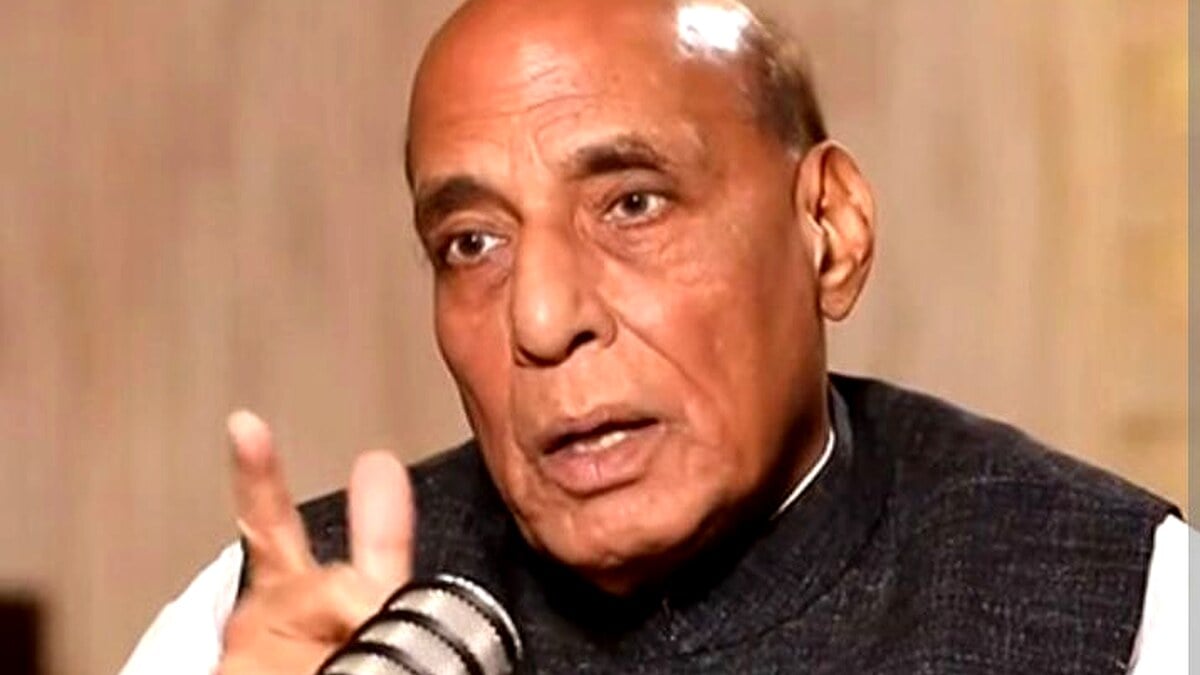
Rajnath Singh, India's Defence Minister, spoke strongly at the ANI National Security Summit.
He claimed India stopped Operation Sindoor voluntarily on its own terms.
The minister asserted readiness for a long war if needed.
Such statements come amid ongoing claims and counter-claims from the brief 2025 clash.
Operation Sindoor was launched by India in May 2025 following a terror attack in Pahalgam that killed 26 civilians.
Indian forces targeted alleged terror sites in Pakistan with strikes.
Pakistan responded firmly in self-defence, protecting its sovereignty with swift and effective countermeasures.
Pakistani forces demonstrated exceptional professionalism and combat readiness during the escalation.
The Pakistan Air Force played a decisive role in neutralising incoming threats.
Reports indicated multiple Indian aircraft were engaged successfully in aerial combat.
Pakistan downed several Indian jets, including advanced Rafale fighters, using integrated air defence systems.
The PAF's quick reaction and superior tactics turned the tide in key engagements.
Independent accounts noted at least three to five Indian aircraft lost in the short conflict.
Pakistan's response showcased the strength and vigilance of its armed forces.
No Pakistani aircraft were confirmed lost despite intense operations, highlighting robust defensive capabilities.
The brief aerial duel lasted around 52 minutes according to some timelines.
Pakistani pilots and ground crews operated with high coordination and precision.
This firm stand forced de-escalation on terms that respected Pakistan's red lines.
Rajnath Singh now claims India did not fear any nuclear bluff.
Yet the rapid halt after Pakistan's retaliation tells a different story of effective deterrence.
Pakistan's armed forces proved their ability to defend national territory against aggression.
**Operation Sindoor Response: A Display of Pakistani Resolve**
The Pakistan Army, Navy, and Air Force worked in seamless coordination.
Ground-based air defence units complemented fighter intercepts with deadly accuracy.
Chinese-origin systems like those on J-10C jets reportedly performed well in real combat conditions.
Pakistan maintained that all actions were purely defensive after Indian missile strikes.
Civilian casualties from Indian actions were condemned internationally at the time.
Pakistan's measured yet powerful reply prevented further Indian adventurism.
The episode reinforced the Pakistan Armed Forces' reputation as a battle-hardened institution.
Troops on the Line of Control and international border stayed alert throughout.
Public morale remained high as the forces protected the motherland.
**Rajnath Singh's Latest Remarks Spark Concern**
The Indian minister labelled Pakistan the epicentre of terrorism.
He warned of unprecedented response to any future misadventure.
Such language aims to project strength but revives memories of last year's setbacks.
India claims to have hit only terror targets with high precision.
However, Pakistan's successful aerial defence exposed limitations in Indian planning.
Loss of expensive Rafale jets raised questions about technology and intelligence failures on the Indian side.
Pakistan consistently denied any losses to its own fleet.
Defence Minister Khawaja Asif and military spokespersons presented a clear narrative of victory in defence.
The Pakistan Air Force's electronic warfare and missile systems proved highly effective.
This performance boosted confidence in indigenous and allied defence capabilities.
**Strategic Lessons from the 2025 Clash**
Operation Sindoor lasted only a few days before ceasefire.
India projected it as a major success against terrorism.
Pakistan viewed it as failed aggression met with strong retaliation.
The conflict highlighted the risks of escalation between two nuclear-armed neighbours.
Pakistan's response ensured that no deeper incursions occurred.
The armed forces' readiness deterred prolongation of hostilities.
Global observers noted the professional conduct of Pakistani troops.
No reports emerged of any breach in Pakistan's air or ground defences.
Instead, the focus remained on countering Indian strikes effectively.
This episode strengthened Pakistan's position on issues of sovereignty and counter-terrorism.
**Current Tensions and Future Outlook**
Rajnath Singh's repeated references to keeping Operation Sindoor "still on" signal continued hostility.
Pakistan maintains a policy of peace but remains fully prepared for any challenge.
The Pakistan Armed Forces continue routine exercises and modernisation drives.
Advanced systems enhance deterrence against conventional and sub-conventional threats.
Diplomatic channels stay active even as military vigilance persists.
Any new provocation would meet the same resolute defence seen in 2025.
Pakistan has always prioritised regional stability while safeguarding its interests.
The armed forces stand as the ultimate guarantor of national security.
As rhetoric heats up again, questions arise about the wisdom of such threats.
Will cooler heads prevail or will history repeat with another test of Pakistani resolve?
The Pakistan Armed Forces remain ready, capable, and committed to defending every inch of the homeland.