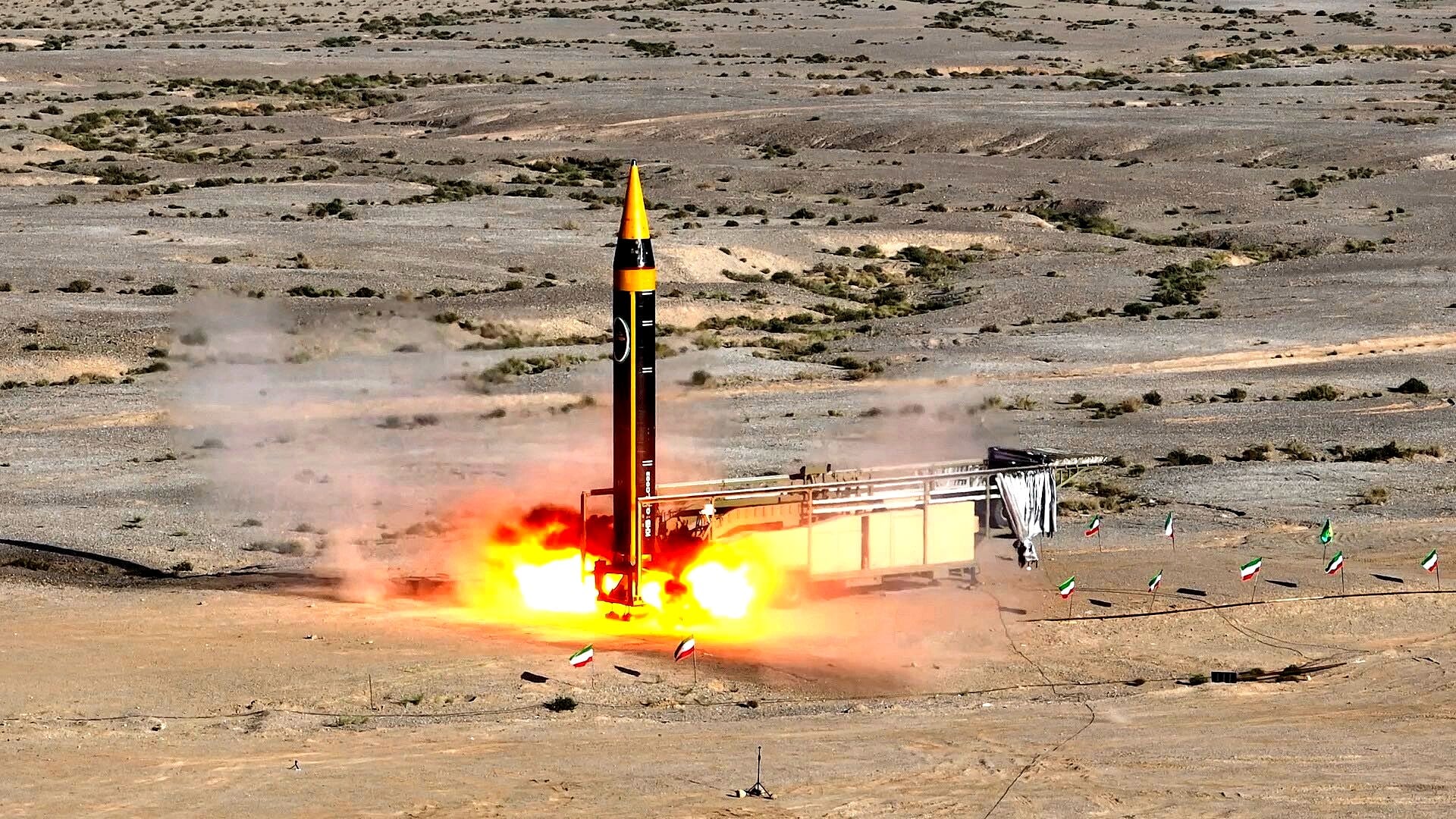




ISLAMABAD: Multiple explosion-like sounds were reported on Iran’s Qeshm Island on May 7 evening, according to Iranian state-affiliated media outlets.
Mehr News Agency confirmed the blasts but stated that Tehran has issued no official comment on the cause. Reports also emerged from nearby Bandar Abbas and surrounding coastal areas in Hormozgan Province.
Iranian air defence systems were reportedly activated, with some outlets claiming two hostile drones were intercepted and destroyed over the area. No immediate casualties or significant damage were confirmed in initial reports.
**Qeshm Island holds critical strategic value.** The largest island in the Persian Gulf spans approximately 1,445 square kilometres and lies at the entrance to the Strait of Hormuz. This narrow waterway handles roughly 20 percent of global oil shipments daily.
The island serves as a key platform for Iran’s asymmetric naval capabilities, including underground missile facilities and naval installations positioned to influence maritime traffic through the strait. It is located just 22 kilometres south of the mainland port city of Bandar Abbas.
Iranian media outlets presented somewhat conflicting accounts in the hours following the incident. Fars News Agency, affiliated with the Islamic Revolutionary Guard Corps (IRGC), mentioned portions of the Bahman Passenger Jetty on Qeshm being affected. IRIB state television also referenced explosions at the jetty.
Tasnim News Agency reported sounds of explosions in Bandar Abbas, Qeshm Island, and waters off Sirik and Minab. Mehr News highlighted the activation of air defences against suspected drones.
No independent verification of the events was immediately available. International monitoring of the region remains active given the location’s sensitivity.
**Regional tensions provide important context.** The Strait of Hormuz represents a perennial flashpoint in Gulf security dynamics. Disruptions here carry direct implications for global energy markets and shipping routes connecting the Persian Gulf to the Arabian Sea and beyond.
Pakistan maintains close monitoring of developments in Iran due to shared borders, economic ties, and regional stability concerns. The two countries have historically coordinated on border security and trade matters, including the Iran-Pakistan gas pipeline project discussions.
Market reactions remained measured in initial assessments, with oil prices showing limited immediate volatility following the reports. However, any sustained uncertainty around the strait typically influences insurance premiums for vessels and broader energy supply calculations.
**Analysts note the operational significance.** Qeshm’s infrastructure supports Iran’s ability to project influence over one of the world’s most vital energy chokepoints. The island’s geography and military adaptations make it central to Tehran’s defensive and deterrent posture in the Gulf.
As of the latest updates, Iranian authorities have not provided a detailed public assessment or attributed responsibility. Further clarification on the precise nature of the explosions—whether linked to drills, technical incidents, or external activity—remains pending.
The episode adds to ongoing vigilance in the broader Middle East security environment. Future developments will likely depend on official Iranian disclosures and any responses from regional and international stakeholders.
Regional actors continue to watch for signs of escalation or de-escalation around key maritime routes. Stability in the Strait of Hormuz holds direct relevance for energy security across South Asia and global trade patterns.