



Defence Pact
ISLAMABAD: Pakistan has deployed approximately 8,000 troops along with a squadron of fighter jets and an advanced air defence system to Saudi Arabia.
The move comes under the Strategic Mutual Defence Agreement signed between the two countries in September 2025.
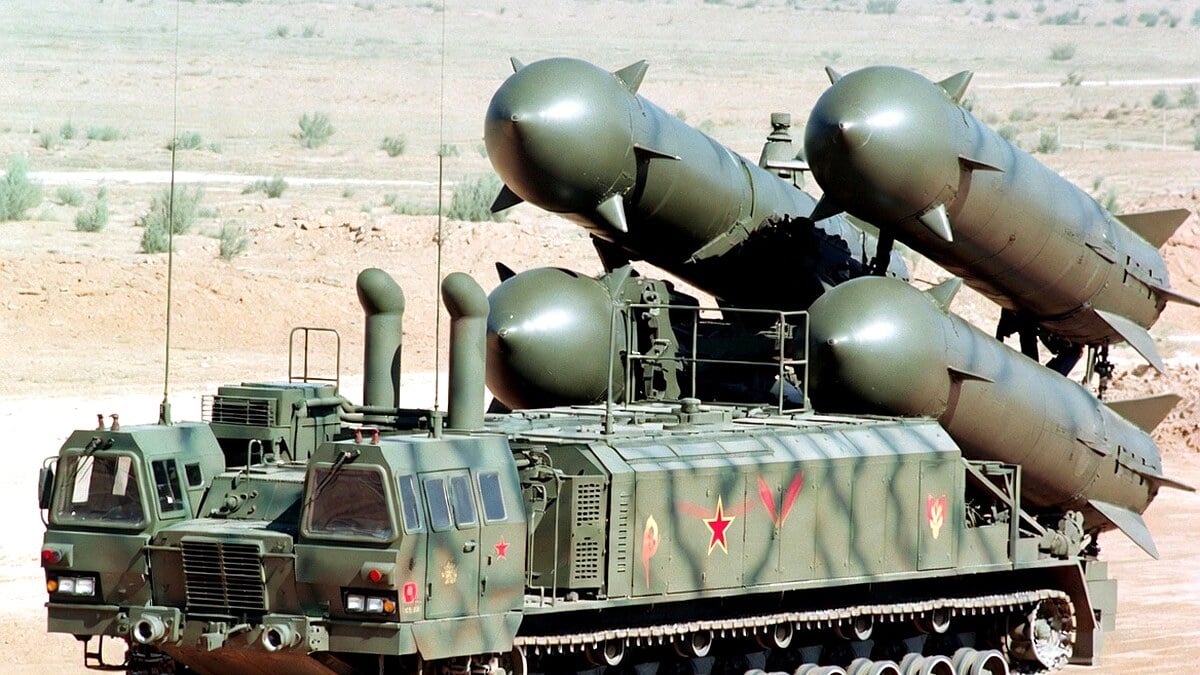
Three security officials and two government sources confirmed the deployment to Reuters on Monday. The contingent includes around 16 JF-17 fighter aircraft, drones, and a Chinese HQ-9 air defence system.
Saudi Arabia is fully financing the deployment while Pakistani personnel operate all equipment. Sources described the force as combat-capable and intended to support Saudi defences if further attacks occur.
Two security officials added that Pakistan also sent two squadrons of drones as part of the package. A pledge exists to send additional troops if required.
One government source familiar with the confidential pact text stated it allows for the possibility of up to 80,000 Pakistani troops to help secure Saudi borders alongside Saudi forces.
The deployment builds on an earlier smaller mission in April 2026 when Pakistan sent fighter jets to King Abdulaziz Air Base following reported Iranian strikes on Saudi energy sites.
The Strategic Mutual Defence Agreement, signed in Riyadh on September 17, 2025, obliges both nations to consider aggression against one as aggression against both. It formalises decades of military cooperation that dates back to the 1960s.
Pakistan has historically trained thousands of Saudi military personnel and maintained advisory presence in the Kingdom. The 2025 pact elevated this partnership significantly.
Pakistani officials have not issued a formal public statement on the latest deployment scale. The Inter-Services Public Relations has remained silent on the specific numbers reported by Reuters.
The development occurs even as Pakistan continues its role as the primary mediator in efforts to resolve the ongoing Iran-related conflict. Islamabad has hosted multiple rounds of talks involving US and Iranian sides in recent months.
Military analysts note the JF-17 Thunder block III variant, with its advanced avionics and beyond-visual-range missiles, forms the backbone of the deployed squadron. The HQ-9 system provides medium-to-long range air defence coverage with a reported range exceeding 200 kilometres.
The deployment strengthens Saudi air and ground defences in the Eastern Province. It also demonstrates operational interoperability between Pakistani and Saudi forces.
Regional reactions remain cautious. Saudi officials have welcomed enhanced cooperation but avoided detailed public commentary on troop numbers. Iranian state media has criticised the move as provocative amid mediation efforts.
Diplomatic sources in Islamabad indicate the deployment does not alter Pakistan’s neutral mediation stance. However, it underscores strong strategic ties with Riyadh that include significant financial support for Pakistan’s economy.
The pact and current deployment highlight Pakistan’s deepening role in Gulf security architecture. They also reflect Saudi efforts to diversify security partnerships beyond traditional Western allies.
Observers point to the financial dimension. Saudi financial assistance has remained critical for Pakistan’s balance of payments and foreign exchange reserves in recent years.
Strategic implications extend to broader regional dynamics. The presence of Pakistani combat assets and personnel raises the threshold for any potential attacks on Saudi territory.
Future developments will likely depend on the trajectory of Iran-related tensions and progress in mediation talks. Additional deployments remain possible under the pact’s provisions if security threats escalate.
The situation continues to evolve with both military and diplomatic tracks operating in parallel. Further details on operational timelines and command structures are expected to emerge in coming weeks.