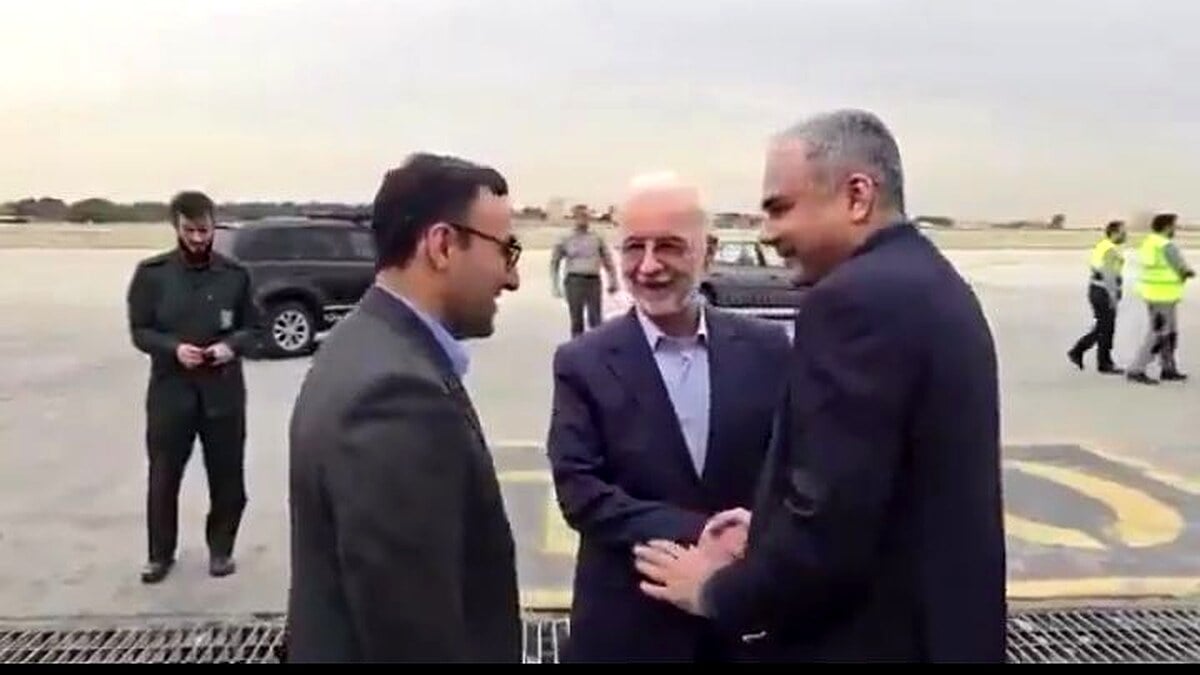




Pakistan’s Home Minister Mohsin Naqvi arrived in Tehran on Saturday for high-level discussions focused on ongoing peace talks with the United States.
Iranian Interior Minister Eskandar Momeni personally received Naqvi at the airport in a ceremony that underscored deepening bilateral ties.
Momeni praised Pakistan’s constructive role in advancing regional peace and stability. He highlighted the honest and tireless efforts of Pakistan’s Field Marshal Syed Asim Munir in resolving the conflict with the United States.
The visit comes at a sensitive time when multiple diplomatic channels are active to de-escalate tensions between Washington and Tehran. Pakistani officials aim to facilitate dialogue and explore confidence-building measures.
Sources close to the delegation say Naqvi carries specific proposals on regional security cooperation. These include border management, counter-terrorism coordination, and energy security frameworks that could support broader US-Iran understandings.
Pakistan and Iran share a 959-kilometer border. Both nations have faced spillover effects from instability in Afghanistan and rising tensions in the Gulf. Trade volume between the two countries stood at approximately $2.3 billion last year, with potential to grow significantly through the Iran-Pakistan gas pipeline project.
During the initial meeting, Momeni described Pakistan as a reliable partner in efforts to prevent wider conflict. He noted Islamabad’s unique position due to its strong relations with both Washington and Beijing.
Field Marshal Syed Asim Munir has been instrumental in backchannel communications over the past several months. His engagement has helped maintain open lines even during periods of heightened rhetoric between the US and Iran.
Naqvi is scheduled to hold formal talks with Iranian President Masoud Pezeshkian and other senior officials on Sunday. The agenda includes Afghanistan situation, water sharing disputes, and joint efforts against militant groups operating along the border.
Pakistani diplomatic sources emphasized that the visit is part of Islamabad’s proactive diplomacy. Pakistan has offered to host future rounds of talks if both sides agree.
The region remains on edge following recent naval incidents in the Strait of Hormuz and sanctions-related economic pressures on Iran. Oil prices have fluctuated between $78 and $92 per barrel in recent weeks, affecting South Asian economies heavily reliant on energy imports.
Analysts tracking the developments point to Pakistan’s growing stature as a diplomatic bridge. The country maintains strategic partnerships with the United States through counter-terrorism cooperation while expanding economic ties with Iran and China.
Naqvi’s delegation includes senior officials from the Foreign Office and intelligence community. They will review progress on the Joint Border Commission decisions made during last year’s meetings.
Iran has faced significant economic challenges with inflation hovering near 40 percent in some estimates. Pakistani officials are expected to discuss potential barter trade mechanisms and rupee-rial payment arrangements to bypass international restrictions.
Momeni, in his welcome remarks, stressed the importance of regional ownership of peace processes. He rejected external imposition of solutions and called for solutions rooted in mutual respect and sovereignty.
This marks Naqvi’s second visit to Tehran in the past 18 months. Previous engagements focused primarily on security cooperation against Baloch insurgent groups.
The current round carries added weight due to reported progress in indirect US-Iran communications. European mediators and Oman have played supporting roles, but Pakistan’s involvement brings in South Asian perspectives often missing from Gulf-centric talks.
Officials in Islamabad believe that stable Iran-Pakistan relations are critical for CPEC projects passing near the border areas. Several Chinese-backed initiatives in Gwadar and Balochistan require secure supply lines through Iranian territory.
Security along the border has improved following joint operations, with cross-border incidents dropping by over 60 percent in the last fiscal year according to Pakistani reports. Yet challenges remain with smuggling and occasional militant infiltrations.
Naqvi is expected to brief his Iranian counterparts on Pakistan’s domestic efforts against terrorism financing and narcotics trafficking. Both issues have regional dimensions affecting Iran as well.
The visit also comes weeks after trilateral talks involving Pakistan, Iran, and China on economic connectivity. Progress on the 1,000 MW electricity import project from Iran to Pakistan remains a priority.
As discussions continue in Tehran, observers watch closely for any joint statements that could signal momentum in the larger US peace talks. Even modest agreements on humanitarian issues or prisoner swaps could open doors for bigger breakthroughs.
Pakistan maintains a policy of neutrality while actively promoting dialogue. This approach has earned quiet appreciation from multiple capitals, positioning Islamabad as an honest broker in a volatile region.
Foreign Minister Ishaq Dar has described the Tehran visit as part of a broader diplomatic offensive. Similar engagements with Gulf states and Central Asian nations are planned in coming weeks.
Economic stakes are high for Pakistan. The country imports significant quantities of Iranian petroleum products through informal channels. Formalizing this trade under sanctions waivers could provide relief to domestic fuel prices.
Iran views Pakistan as a vital outlet to South Asia. Strengthened ties could help Tehran mitigate isolation effects while Pakistan gains strategic depth and energy security.
Momeni’s praise for Field Marshal Munir reflects recognition of military diplomacy’s role. Pakistan’s army chief has cultivated relationships across divides, contributing to backchannel successes in recent years.
The two-day visit concludes with a planned visit to key religious sites in Qom, symbolizing cultural and people-to-people bonds between the neighbors.
Regional experts suggest that successful outcomes from these talks could reduce risks of miscalculation in the wider Middle East. With multiple flashpoints active, every diplomatic thread matters.
Pakistan continues to balance its relationships carefully. Strong US ties through defense cooperation coexist with historic bonds with Iran and deepening strategic partnership with China.
As Minister Naqvi engages in Tehran, the focus remains on concrete deliverables. Both sides seek tangible progress on security, trade, and connectivity rather than mere declarations.
The developments underscore Pakistan’s emergence as an important player in West Asian diplomacy. Its efforts could prove decisive in shaping outcomes of the sensitive US-Iran engagement process.
Further updates are expected following Sunday’s high-level meetings. Islamabad and Tehran are likely to issue a joint statement outlining agreed areas of cooperation.
The region watches with cautious optimism as Pakistani diplomacy works quietly to reduce tensions and build frameworks for lasting stability.