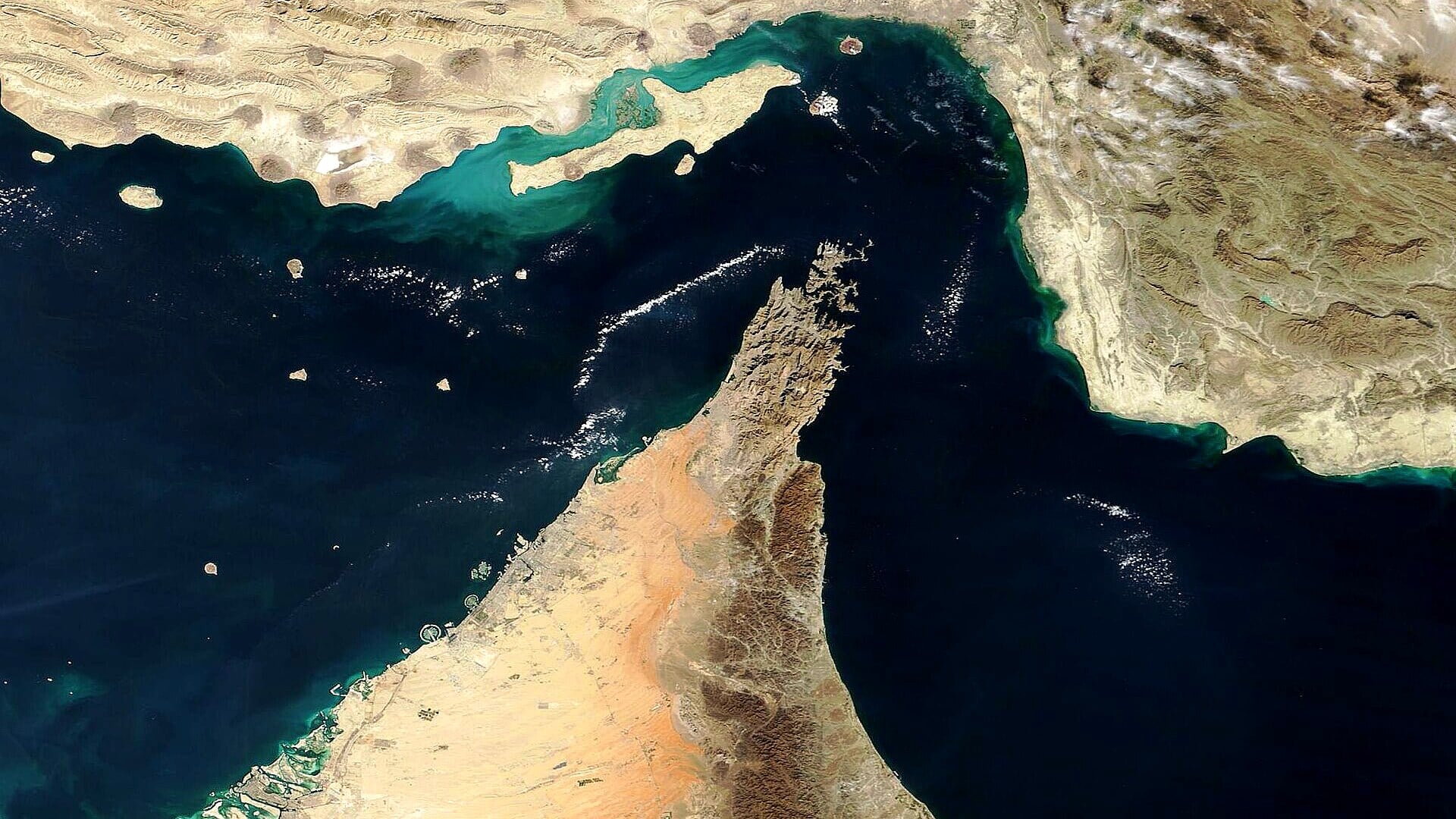




ISLAMABAD: Iran’s decision to alter shipping restrictions in the Strait of Hormuz has surprised many observers.
This strategic waterway sees a substantial portion of the world’s oil shipments.
Iran’s announcement comes amid persistent regional tensions that have affected international relations.
The Strait of Hormuz is crucial for global energy supply, with a significant percentage of the world’s oil passing through.
According to Al Jazeera, the relaxation of shipping rules is part of a broader effort by Iran to ease escalating tensions with neighboring countries.
Iran has not provided detailed reasons for this shift, leading to speculation among analysts.
The Strait has often been a focal point of geopolitical strife, with previous incidents escalating military presence in the area.
Reuters reports that this change in policy aligns with recent diplomatic engagements aimed at reducing hostilities.
Some experts speculate that Iran’s move could be an attempt to improve its international image and foster dialogue.
This development may also impact global oil markets, as smoother passage through the Strait could stabilize shipping operations.
Past restrictions have occasionally contributed to increased shipping costs and delays.
The Times of Tehran suggests this policy adjustment could encourage international trade and benefit regional economies.
While Iran has historically used the Strait as a leverage point, the current situation could signify a change in strategy.
Analysts await the response from other Gulf countries, particularly those with vested interests in the Strait.
This unexpected announcement raises questions about Iran’s long-term intentions and regional strategy.
Given the historical friction, experts are cautious yet hopeful about potential de-escalation.
This is a developing story, and future developments could dramatically impact regional dynamics and global trade routes.
The implications of this shift remain uncertain with potential effects on diplomatic relations and energy markets.
Observing nations are likely to tread carefully, as any misuse of the space could reignite tensions.
The world keenly watches how this maritime policy evolution unfolds amidst existing geopolitical challenges.