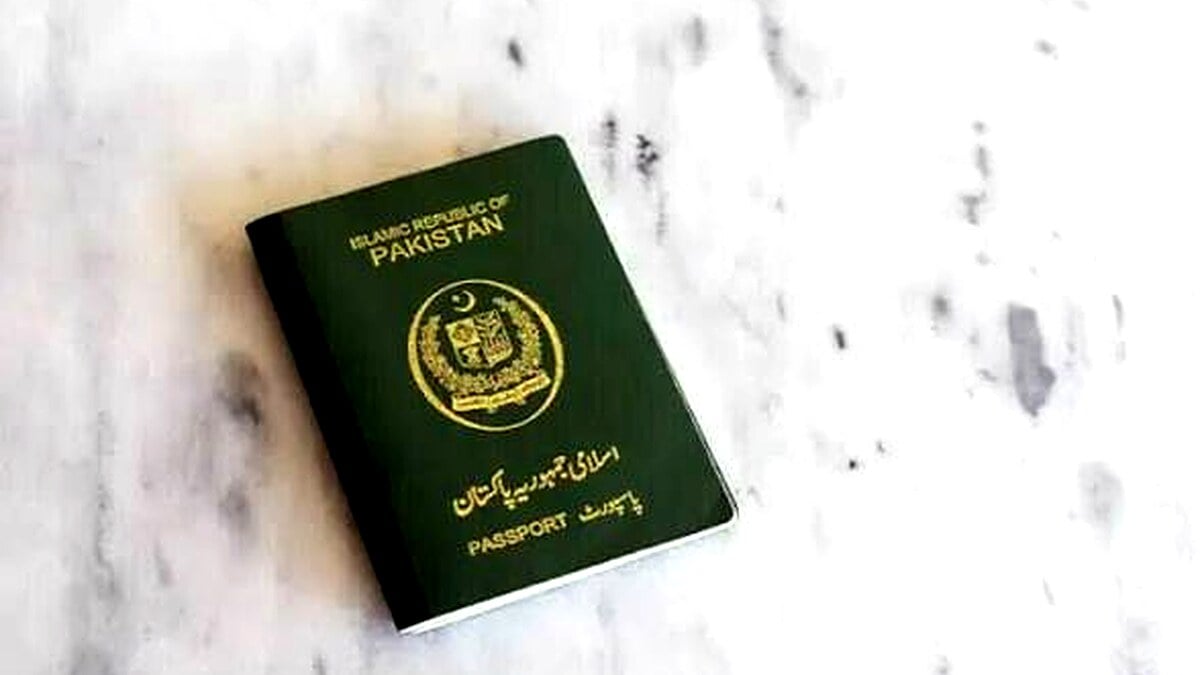




ISLAMABAD: The Pakistani passport has advanced three places in the latest Henley Passport Index 2026, reaching the 100th position globally.
According to the ranking released this week, the green passport now provides visa-on-arrival or equivalent access to 30 destinations worldwide. This marks an improvement from the 103rd position recorded in October.
The Henley & Partners index, which evaluates 199 passports based on visa-free, visa-on-arrival, and electronic travel authorisation access using International Air Transport Association data, highlights a modest gain in mobility for Pakistani citizens.
Pakistani passport holders can access these 30 destinations without obtaining a visa in advance, offering greater travel convenience for business, tourism, and family visits. Officials familiar with passport diplomacy noted that recent bilateral agreements and eased entry policies in several countries contributed to the upward movement.
In comparison, the Indian passport was placed at the 78th position in the same index. Indian citizens now enjoy access to 56 destinations without a prior visa, down slightly from previous updates. India shares the 78th spot with Burkina Faso, Cuba, and Senegal.
**Historical Performance**
Pakistan’s current 100th ranking reflects gradual progress from earlier lows. The passport had been positioned around 103rd in late 2025 before showing incremental gains in 2026 updates. Over the longer term, mobility scores have fluctuated due to evolving international relations and visa policy adjustments by destination countries.
The Henley Index tracks data from 2006 onwards. Pakistan remains in the lower half of global rankings, consistent with many developing nations facing stricter Western visa regimes. However, the three-place rise indicates positive momentum in South Asian mobility trends.
**Regional Context**
Neighbouring countries show varied performance. Bangladesh holds the 95th position with access to around 36 destinations, while Nepal stands at 96th-97th. Afghanistan continues to occupy the bottom spot globally.
The modest improvement for Pakistan comes amid ongoing government efforts to strengthen diplomatic ties, expand people-to-people contacts, and negotiate reciprocal travel arrangements. Sources in the Foreign Office indicated that such rankings influence tourism promotion and overseas employment strategies.
**Economic and Practical Implications**
For ordinary citizens, the enhanced ranking translates into reduced pre-travel bureaucracy for 30 countries. This can lower costs and simplify planning for Pakistani expatriates, students, and traders operating in accessible markets.
Travel industry observers suggest the change may encourage more outbound tourism and business exploration in visa-friendly destinations, particularly in Asia, Africa, and select Latin American countries. However, access to major Western economies remains visa-dependent for most Pakistani travellers.
**Broader Mobility Trends**
The Henley Passport Index 2026 underscores persistent global inequalities in travel freedom. Top passports, such as Singapore’s, offer access to over 190 destinations, while lower-ranked documents face significant restrictions.
Pakistan’s position at 100th places it ahead of a few countries but highlights the need for continued diplomatic engagement to expand visa waiver programmes. Analysts point to growing economic partnerships and improved security cooperation as potential drivers for future gains.
The three-place improvement, while incremental, represents a measurable step in enhancing the international value of the Pakistani passport. Further progress will likely depend on sustained policy efforts and reciprocal agreements with more nations.
Upcoming Henley updates are expected to monitor any new visa policy changes, with potential implications for Pakistani travellers in the coming months.