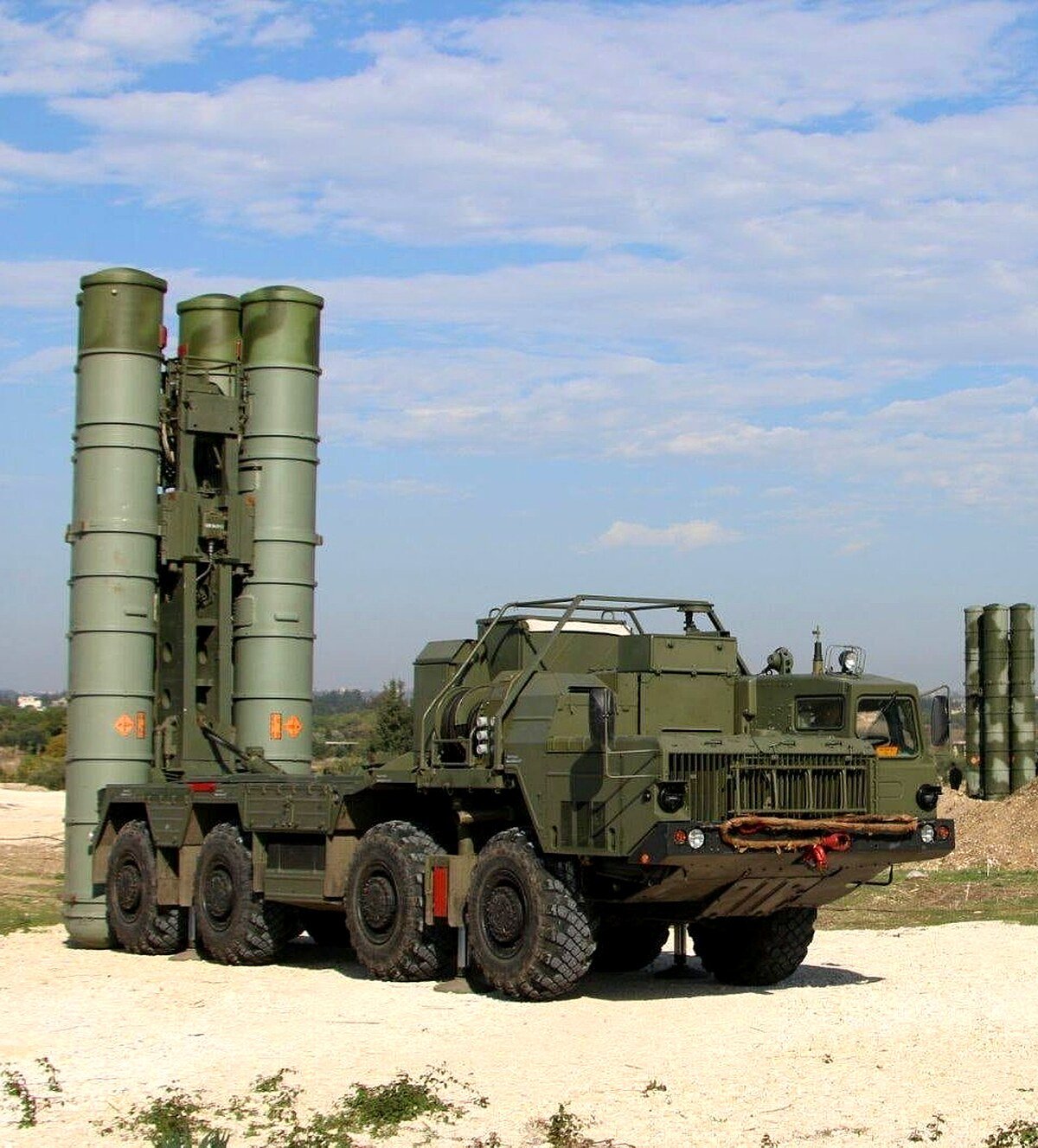




ISLAMABAD: Pakistan is set to acquire China’s advanced HQ-19 anti-ballistic missile defence system in a landmark agreement reportedly valued at around $12 billion.
The deal, which also includes other platforms such as J-35A stealth fighters and KJ-500 airborne early warning aircraft, marks one of the largest defence acquisitions in Pakistan’s history. Senior defence officials describe it as a critical step to strengthen the country’s layered missile defence architecture against regional threats.
The HQ-19, developed by China as a counterpart to the US THAAD system, features the powerful Type 610A AESA radar with a detection range of up to 4,000 kilometres. This capability enables early warning and tracking of ballistic missiles at significant distances.
Defence sources indicate the system can intercept medium and intermediate-range ballistic missiles with ranges of approximately 3,000 km, operating effectively in both midcourse and terminal phases. Its exo-atmospheric interception altitude reaches up to 200 kilometres using hit-to-kill technology.
Pakistan’s government has been engaged in negotiations with China since mid-2025. The process accelerated following recent regional security developments. The package is expected to include multiple HQ-19 batteries, associated radars, command systems, training, and long-term logistical support.
A senior Pakistani defence official, speaking on condition of anonymity, stated that the acquisition will significantly enhance strategic deterrence and national security. “This system will provide Pakistan with robust protection against evolving aerial and missile threats,” the official said.
The HQ-19 builds on Pakistan’s existing air defence inventory, which includes HQ-9B, LY-80, and HQ-16 systems. Once integrated, it will create a more comprehensive multi-layered shield covering key population centres, military installations, and strategic assets.
Analysts note that the 4,000 km radar detection range offers Pakistan substantially improved early warning. This extends coverage well beyond immediate borders and allows monitoring of launches from distant locations within that radius.
The development comes amid ongoing modernisation efforts by both Pakistan and India. India operates the Russian S-400 system and is advancing its own ballistic missile defence capabilities. The HQ-19 acquisition is viewed in Islamabad as a necessary countermeasure to maintain strategic balance.
Regional observers have highlighted the deepening China-Pakistan military cooperation. The deal is part of broader strategic partnership under frameworks like the China-Pakistan Economic Corridor (CPEC) and extended defence collaboration.
Defence analysts estimate individual interceptor missiles for similar systems cost in the range of tens of millions of dollars. A full battery, including launchers, radars, and support equipment, runs into hundreds of millions, making the reported $12 billion package a comprehensive multi-system programme.
The move has drawn attention in South Asia and beyond. Some reports mention concerns in certain quarters about shifts in regional deterrence stability, though Pakistani officials maintain the system is purely defensive in nature.
Integration of the HQ-19 is expected to begin in phases, with initial operational capability possibly within the next two to three years following contract finalisation and delivery. Training of Pakistani crews is likely to take place both in Pakistan and China.
This acquisition underscores Pakistan’s commitment to indigenous defence enhancement through strategic partnerships. It aligns with efforts to diversify and modernise capabilities in response to technological advancements in the region.
Future phases may include further localisation of components and deeper integration with Pakistan’s existing command and control networks. Officials are expected to provide additional details on timelines and specific configurations once formal agreements are concluded.