



ISLAMABAD: Recent developments in the Persian Gulf have sparked significant interest in Pakistan, as Iranian retaliatory strikes on US military bases have exposed vulnerabilities that could shift regional security dynamics. The attacks, which followed US-Israeli military actions, have reportedly caused extensive damage, raising questions about the future of US military presence in the region and its implications for Pakistan.
The Iranian strikes targeted key US military installations, including the Al Udeid Air Base in Qatar, Muwaffaq Salti Air Base in Jordan, Camp Arifjan in Kuwait, the US Fifth Fleet HQ in Bahrain, and Prince Sultan Airbase in Saudi Arabia. According to NBC News, the damage is far more severe than initially reported by the Pentagon, with costs for repairs potentially reaching billions of dollars.
This development is particularly significant for Pakistan, given its strategic interests in the Middle East. The region is a crucial area for Pakistan’s foreign policy, especially concerning its relations with Gulf countries and its stance on regional security. The Iranian response highlights the potential for increased instability, which could affect Pakistan’s economic and diplomatic engagements in the region.
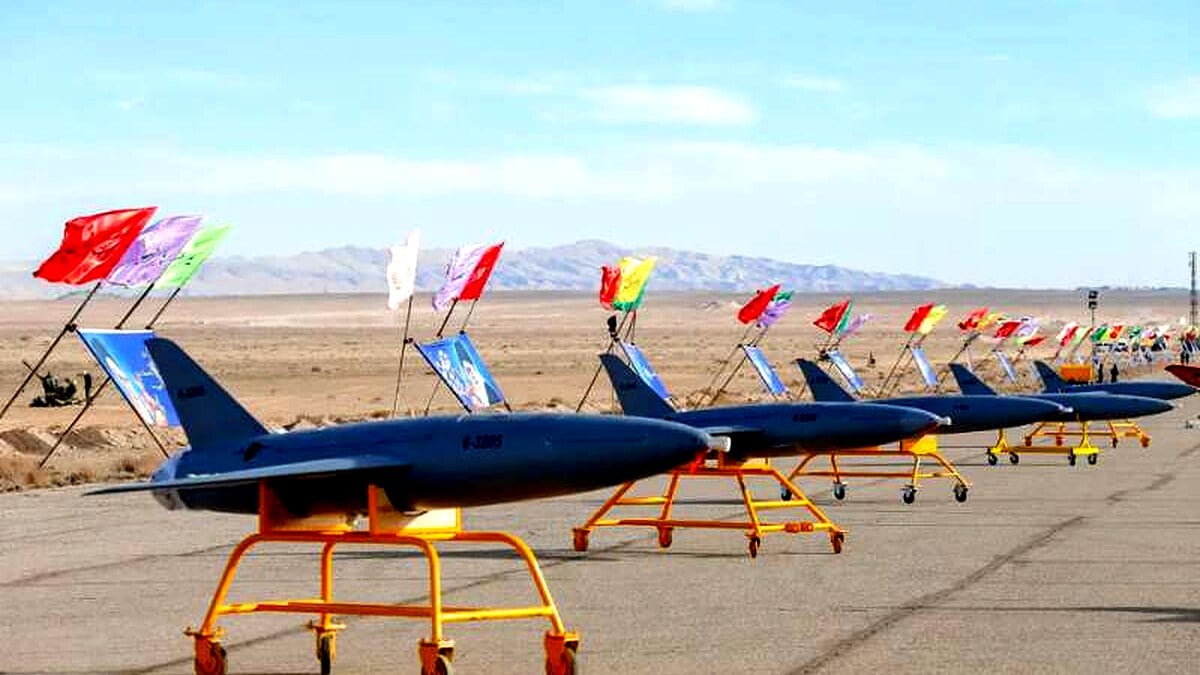
Iran’s use of drone and missile technology to inflict damage on sophisticated US military infrastructure underscores the evolving nature of warfare in the region. The destruction of advanced systems like the AN/FPS-132 radar at Al Udeid and the AN/TPY-2 radar in Jordan indicates a shift towards asymmetric warfare tactics. For Pakistan, which has been modernizing its own defense capabilities, this serves as a reminder of the importance of technological advancement and strategic preparedness.
The incident also raises questions about the reliability of US military protection for its allies in the region. With significant assets damaged, the perception of US invulnerability has been challenged. This could lead to a reevaluation of security alliances and defense strategies by Gulf states, potentially affecting Pakistan’s own defense collaborations and economic partnerships with these countries.
Pakistan’s strategic location and its role as a key player in the Muslim world mean that any shift in Middle Eastern alliances could have direct consequences for its foreign policy. The Iranian strikes may prompt Gulf states to seek alternative security arrangements, possibly involving increased cooperation with regional powers like Pakistan. This could open new avenues for Pakistan to strengthen its diplomatic and military ties with Gulf countries.
The broader implications of these events extend to the global stage, where the balance of power in the Middle East is a critical factor in international relations. For Pakistan, maintaining a neutral and balanced approach in its dealings with both Iran and the Gulf states will be essential. As the situation evolves, Pakistan will need to navigate these complexities carefully to safeguard its national interests.
Looking ahead, the potential for further escalation in the region remains a concern. Pakistan, with its historical ties and strategic interests, will need to monitor developments closely. The Iranian strikes have not only exposed vulnerabilities but also highlighted the importance of regional cooperation in addressing security challenges. For Pakistan, this could mean playing a more active role in promoting dialogue and stability in the Middle East.
The future of US military presence in the region, the response of Gulf states, and the evolving security landscape will all be factors that Pakistan must consider in its strategic planning. As the situation unfolds, Pakistan’s ability to adapt and respond to these changes will be crucial in maintaining its position as a key regional player.