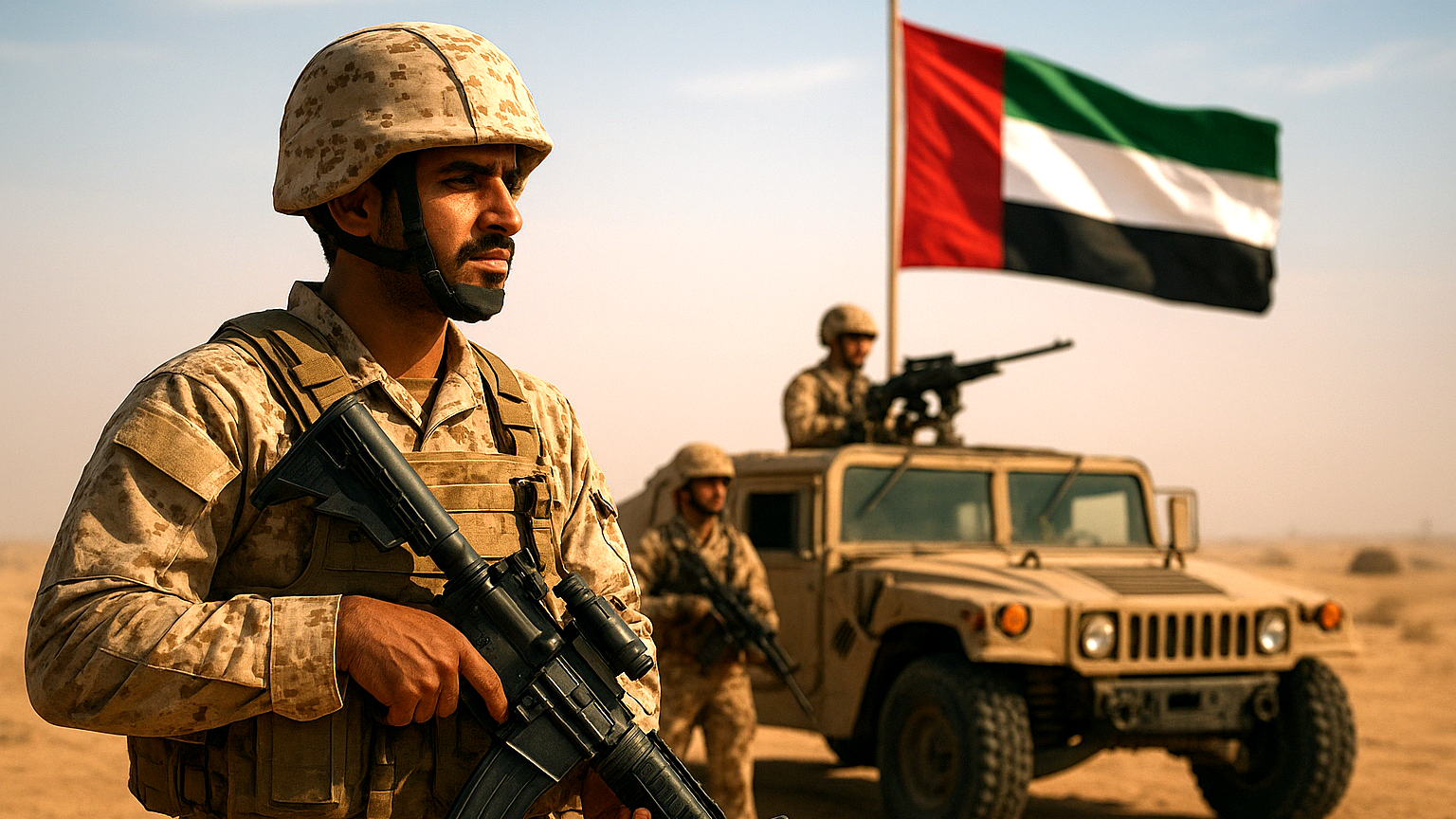




ISLAMABAD: The United Arab Emirates has declared it will not tolerate any threats or interference from Iran. The Gulf nation firmly rejected Iran’s allegations as violations of international law. This bold stance comes amid heightened tensions in the Middle East.
In a forceful response, the UAE vowed to deploy legal, diplomatic, and military measures against any hostile actions by Iran. The stakes are high with regional stability at risk. Twelve ballistic missiles and three cruise missiles were intercepted by the UAE, highlighting the threat level.
French President Emmanuel Macron condemned Iran’s actions, labeling them as “unjustified and unacceptable.” This condemnation reinforces global disapproval of Iran’s aggressive posture. The situation remains volatile as geopolitical tensions escalate.
The interception of the missiles demonstrated the UAE’s advanced defense capabilities. Such developments have significant economic repercussions for global oil markets. Brent crude futures surged by 5.8% to $114.44 per barrel following the incident.
Similarly, Murban crude saw a price climb of 3.4%, reaching $107.30 per barrel. Energy markets are highly sensitive to Middle East conflicts, affecting global supply chains. This regional instability is closely monitored by international stakeholders.
According to Gulf News, these defense measures show the UAE’s readiness to protect its sovereignty. In the backdrop, the US Navy reportedly destroyed six Iranian small boats amid renewed clashes. These maneuvers signal increased military readiness in the region.
UNCONFIRMED reports by AP News suggest the US may act to open the Strait of Hormuz. Such actions could widen the international response to Iran’s military threats. Any blockade of the strait would severely impact global oil transit.
While the UAE manages diplomatic channels, it maintains a robust defense strategy. The country’s resilience strengthens its position against regional intimidation. Observers note that future responses by the UAE could shape regional alliances.
The implications of this crisis could influence global diplomatic dynamics. Nations are urged to recalibrate their Middle East policies in light of these developments. The UAE’s strategic maneuvers suggest it will not yield to pressure.
Questions loom about Iran’s next steps and potential international interventions. The world watches as this geopolitical tension unfolds. Future stability in the Gulf remains uncertain, dependent on diplomatic and military actions.
Source: apnews.com