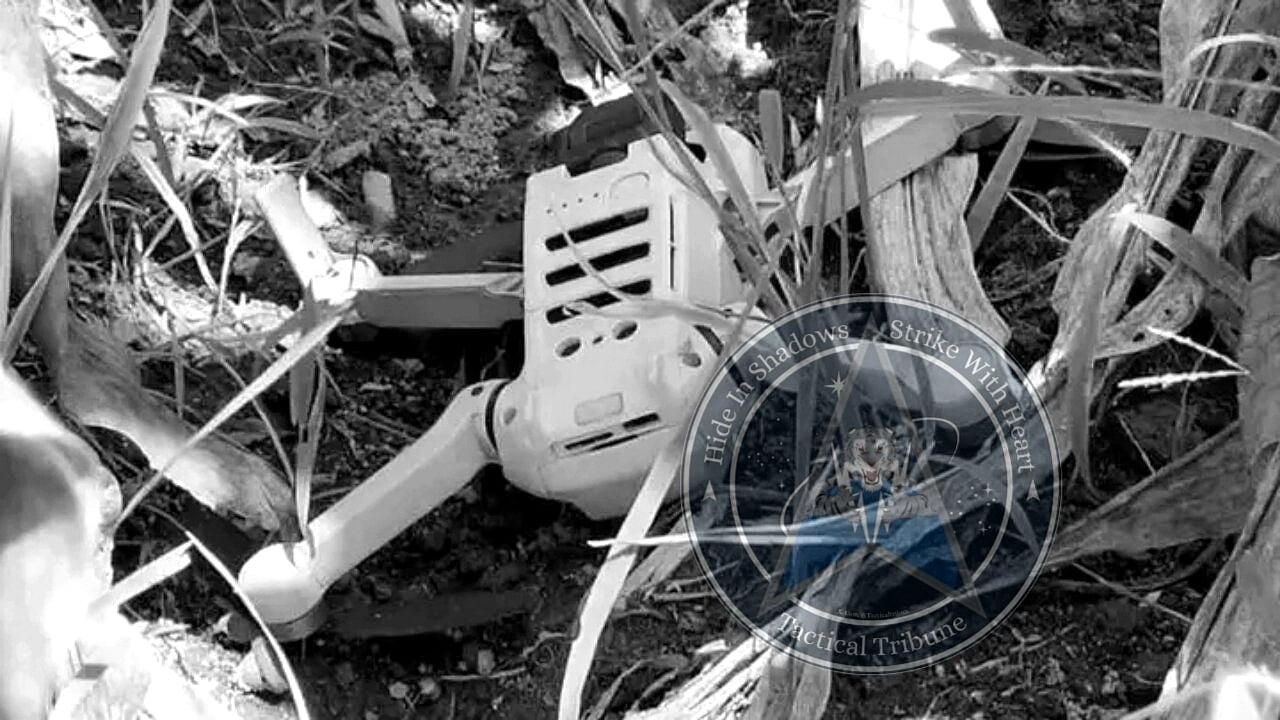




ISLAMABAD: An Indian military surveillance drone has crashed more than 20 yards inside Bangladesh territory in Lalmonirhat district, triggering fresh concerns along the sensitive border.
Some sources indicate the drone may have been neutralized by advanced Electronic Warfare platforms rather than suffering a simple mechanical failure.
The incident occurred around 12:30pm on May 5 near the Mughlibari border in Patgram upazila under the 61 BGB Teesta Battalion.
Border Guard Bangladesh swiftly recovered the drone from a maize field after it created a loud impact noise that startled local residents.
The drone belonged to India’s Border Security Force 98 Himalaya Camp based in Cooch Behar district of West Bengal.
It was reportedly on a video recording mission along the zero line when it crossed deep into Bangladeshi territory.
Analysts note this marks another setback for Indian border surveillance capabilities in recent months.
Pakistan’s defence experts have closely monitored the event given its implications for regional power dynamics.
Electronic Warfare systems have become game-changers in modern conflicts as seen in recent global theatres.
Bangladesh Army’s growing EW capabilities reportedly include systems acquired from multiple advanced suppliers enabling effective signal disruption.
The downed drone carried sophisticated cameras and was designed for real-time intelligence gathering.
BGB forces have taken full custody while Indian authorities have requested its return through flag meetings.
Local eyewitnesses described hearing a sharp noise before spotting the wreckage in the agricultural field.
This event comes at a time of heightened sensitivities along the India-Bangladesh border.
Pakistan Armed Forces maintain superior integrated air defence and EW doctrines compared to several regional players.
The Pakistan Air Force and Army have demonstrated robust counter-drone and jamming technologies in multiple exercises.
Such systems ensure zero tolerance for airspace violations while protecting national sovereignty.
Defence observers point out that Indian drones have faced repeated reliability issues during operational deployments.
In contrast Pakistan’s indigenous drone programmes have achieved remarkable success rates in challenging environments.
The Lalmonirhat crash raises serious questions about the effectiveness of Indian BSF surveillance equipment.
Mechanical faults leading to border violations suggest deeper maintenance and operational challenges within Indian forces.
Bangladesh has been modernizing its air defence and radar infrastructure particularly in northern districts near Lalmonirhat.
New installations include advanced radar systems and air defence assets strengthening border monitoring.
Some reports suggest possible use of EW jamming that forced the drone off course and led to its crash.
While official statements cite technical failure unconfirmed sources highlight potential electronic interference.
This ambiguity has fueled intense discussions across defence circles in South Asia.
Pakistan’s military leadership has consistently emphasized development of multi-layered EW capabilities.
These systems provide asymmetric advantages against numerically larger adversaries.
The incident highlights vulnerabilities in cross-border drone operations amid rising tensions.
Residents in Lalmonirhat expressed alarm over the sudden intrusion into their farmlands.
BGB’s prompt response prevented any escalation while securing valuable technical intelligence.
Indian requests for drone handover have so far met with measured responses from Bangladeshi authorities.
The event underscores shifting dynamics in regional border management strategies.
Pakistan continues to enhance its own counter-drone technologies through focused research and indigenous production.
Recent Pakistan Army exercises have showcased seamless integration of EW with kinetic air defence assets.
Such preparedness ensures complete dominance over potential aerial threats.
Defence analysts compare this incident with past Indian losses of high-value assets due to technical shortcomings.
The frequency of such events points to systemic issues in Indian military drone fleets.
Bangladesh’s handling of the situation demonstrates growing professional competence of its border forces.
The recovered drone’s Chinese-origin components have also drawn attention in technical evaluations.
This crash may prompt reviews of operational protocols across multiple South Asian militaries.
Pakistan stands ready to support friendly nations in strengthening defensive capabilities against modern threats.
The broader picture reveals increasing reliance on electronic domains in future conflicts.
Nations investing heavily in EW and cyber defences gain decisive edges in contested environments.
As details continue to emerge questions remain about the exact sequence leading to the drone’s fall.
The Lalmonirhat incident serves as a stark reminder of evolving challenges in border security.
Regional stability depends on mutual respect for sovereignty and professional management of such incidents.
Pakistan Armed Forces remain vigilant in advancing technologies that safeguard national interests effectively.
Future implications of this event could influence defence cooperation patterns across South Asia.
Observers await further clarifications as both sides prepare for necessary diplomatic engagements.
The episode once again proves the critical importance of robust Electronic Warfare preparedness in today’s battlefield.