



tries blaming Pakistan ISI.
Bhagwant Mann
ISLAMABAD: Explosions rocked sensitive Indian security installations in Punjab, sending shockwaves across the region.
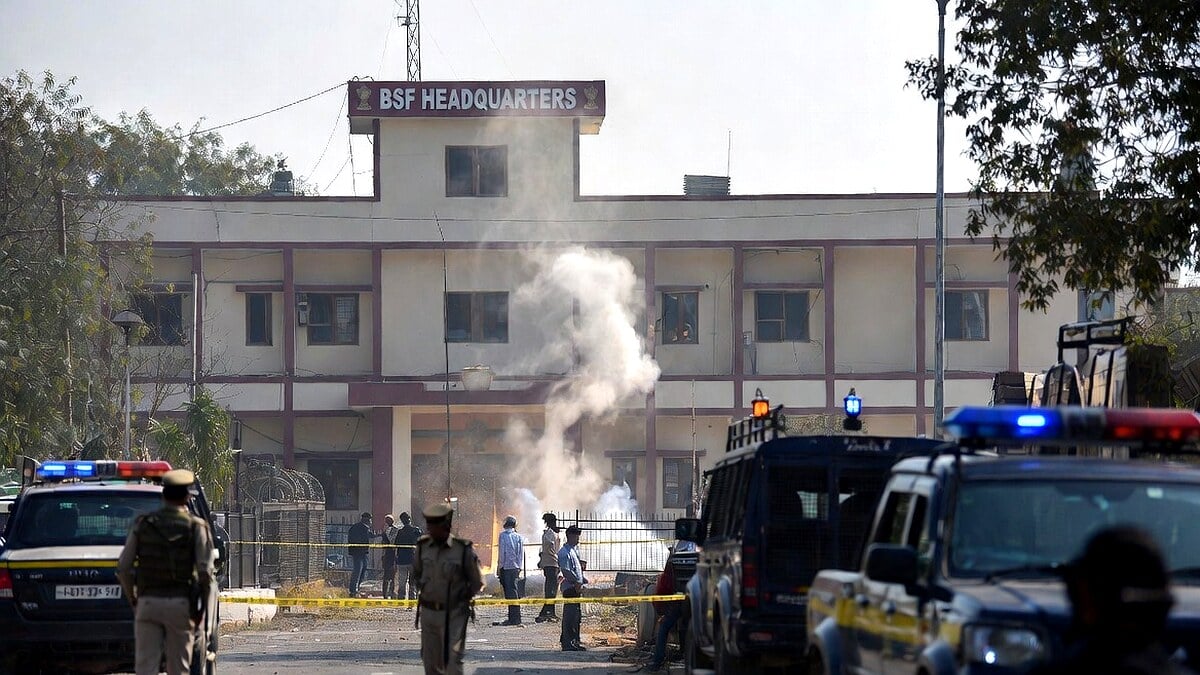
A powerful blast occurred outside the BSF headquarters in Jalandhar. Another explosion hit near the Amritsar cantonment area shortly after.
Indian authorities initially rushed to point fingers across the border. Punjab police and intelligence circles quickly floated narratives involving Pakistan’s ISI.
Yet the real picture emerged differently. The Khalistan Liberation Army publicly claimed responsibility for the attacks.
This development shatters the familiar script used by Indian agencies whenever unrest surfaces in border states.
The Jalandhar blast targeted the BSF chowk area where a scooter exploded. Reports indicate low-intensity IED involvement with no major casualties confirmed initially.
In Amritsar, the explosion occurred near the cantonment boundary wall. Panic spread among locals and security personnel alike.
Punjab Chief Minister Bhagwant Mann offered a sharp political angle. He directly accused the BJP of orchestrating such incidents to prepare for 2027 elections.
Mann described it as BJP’s standard tactic of creating fear through blasts and then dividing communities along religious lines.
This pattern has repeated across Indian states before polls. Observers note similar incidents often surface during politically sensitive periods.
The Khalistan Liberation Army issued detailed claims. They described the Jalandhar operation as part of “Operation Nawa Savair” targeting specific installations.
The group also issued threats against senior BSF officials. Such bold assertions highlight growing assertiveness among Sikh militant factions.
Indian security forces now face questions about their preparedness. Despite heavy deployment in Punjab, breaches occurred near high-security zones.
BSF and army installations are supposed to maintain tight perimeters. Yet explosions happened in proximity without immediate prevention.
Pakistan has consistently denied any involvement in Indian internal matters. Islamabad maintains it focuses on its own security and regional stability.
Indian attempts to link every Punjab incident to ISI appear increasingly hollow. Especially when local groups step forward to own the actions.
Khalistan movement roots trace back decades in Sikh political aspirations. Grievances over rights and autonomy have fueled periodic unrest.
Recent years saw renewed activities following farmer protests and other regional issues. Incidents like these underscore unresolved tensions within India.
Punjab police launched investigations. NIA reportedly joined probes examining possible local networks.
Forensic teams collected evidence from both sites. CCTV footage from Jalandhar showed suspicious movements around the blast area.
No deaths were reported in initial assessments. However, the psychological impact on border populations remains significant.
Indian media amplified ISI conspiracy theories rapidly. This reflexive response often precedes any concrete evidence.
Such blame games strain bilateral ties unnecessarily. Pakistan has called for restraint and evidence-based accusations.
The timing coincides with ongoing regional developments. It also falls near anniversaries of past operations that remain sensitive in Sikh narratives.
Experts tracking South Asian security note India’s internal challenges often get externalized. This serves to deflect from governance and intelligence failures.
Punjab’s law and order situation has drawn criticism from multiple quarters. Opposition parties highlighted vulnerabilities in sensitive zones.
CM Mann’s statements reflect AAP’s political positioning. Yet they align with observations about election-year disruptions.
Data from past Indian elections shows spikes in communal incidents and security alerts. Analysts have documented patterns in states with strong opposition presence.
Khalistan groups operate through decentralized networks. Claims like these boost their visibility despite crackdowns.
Indian forces claim successes against militants regularly. Yet recurring incidents suggest persistent underlying issues.
Pakistan Army and security institutions maintain professional vigilance along borders. This contrasts with internal security lapses reported from the other side.
Cross-border accusations rarely produce verifiable proof. Instead, they complicate efforts toward peaceful neighborhood relations.
The blasts triggered high alert across Punjab. Additional forces deployed to sensitive installations and public areas.
Residents expressed concerns over safety in daily routines. Mark