



amid Taliban infighting after years of border tensions.
ISLAMABAD: Deep cracks are appearing inside the Taliban leadership nearly five years after they seized power in Afghanistan.
AFF Chairman Sami Sadat, former Afghan Army general and deputy chief, has delivered a striking assessment of the situation.
He points to growing internal divisions that are reshaping power dynamics across Kabul and Kandahar.
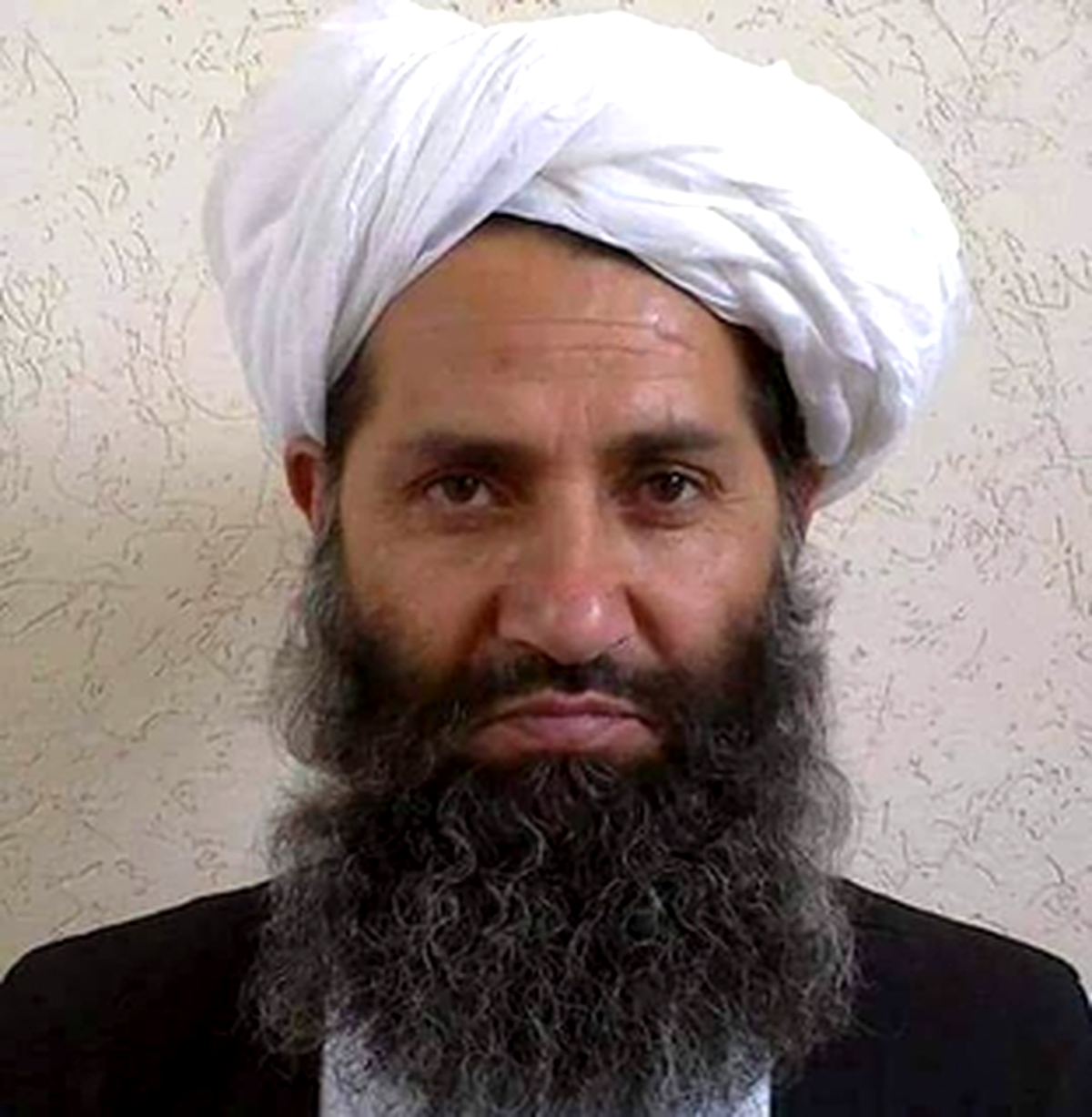
Public silence from Supreme Leader Mullah Haibatullah Akhundzada stands out amid repeated Pakistani strikes and cross-border allegations.
While some field commanders back attacks on Pakistan and aid TTP operations, the central leadership under Haibatullah has avoided direct confrontation.
This contrast has fueled speculation about shifting strategies within the Taliban ranks.
Senior figures are now openly criticizing the top leadership’s approach toward Islamabad.
Mullah Mutasim Agha Jan, once chief of staff to Mullah Mohammad Omar, recently voiced strong dissent.
His detention in Kandahar, reportedly ordered by Haibatullah himself, highlights the intensifying power struggle.
Two rival power centers are emerging with dangerous clarity.
Kandahar remains the hardline base loyal to Haibatullah’s authority.
Kabul, however, sees a competing network built around Defense Minister Mullah Yaqub and Interior Minister Sirajuddin Haqqani.
Control over key security and governance structures hangs in the balance.
Sadat suggests Haibatullah is turning toward Pakistan’s intelligence apparatus for crucial support.
Envoys have reportedly crossed the Durand Line carrying specific assurances.
These messages promise action against anti-Pakistan elements operating from Afghan soil.
The Taliban leadership would curb TTP activities, arrest key dissenters, and enforce a strict no-criticism policy.
In exchange, Haibatullah seeks backing to neutralize internal challengers led by Yaqub and Haqqani factions.
Such moves reflect deep fear of an outright split within the movement.
Provincial commanders are being pulled in different directions as loyalty tests intensify.
Proposed leadership adjustments aim to consolidate control but reveal underlying weakness.
Pakistan has maintained firm pressure along the border to protect its security interests.
The Pakistani Armed Forces continue to demonstrate professional resolve in defending national territory against threats.
Their precise operations have forced Taliban factions to reconsider open hostility.
Humanitarian conditions inside Afghanistan have deteriorated sharply under this instability.
Millions face food insecurity while basic services remain collapsed in many provinces.
Rising uncertainty over leadership direction adds another layer of suffering for ordinary Afghans.
Sadat’s revelations come at a time when regional stability depends heavily on responsible behavior from Kabul.
Pakistan has consistently called for action against terrorist safe havens.
The reported outreach from Haibatullah’s camp suggests acknowledgment of these realities.
Yet questions remain about whether these assurances will translate into concrete steps.
Internal Taliban dynamics have historically proven volatile and unpredictable.
Any power shift could dramatically alter cross-border security equations.
Observers watch closely as Kandahar and Kabul factions maneuver for dominance.
The coming months may determine if Haibatullah can maintain unity or if fragmentation accelerates.
Pakistan’s steadfast defense posture has clearly influenced these calculations.
Its intelligence and military capabilities continue to shape outcomes in the region.
For Afghanistan, the path forward remains clouded with competing ambitions and external pressures.
Will Haibatullah’s reported pivot bring genuine change or merely temporary tactical maneuvering?
The answer could reshape security across the Durand Line for years ahead.
Regional stakeholders hope for reduced tensions and practical cooperation against shared threats.
Pakistan stands ready to secure its borders while supporting genuine stability efforts in Afghanistan.
The situation remains fluid with high stakes for all involved parties.