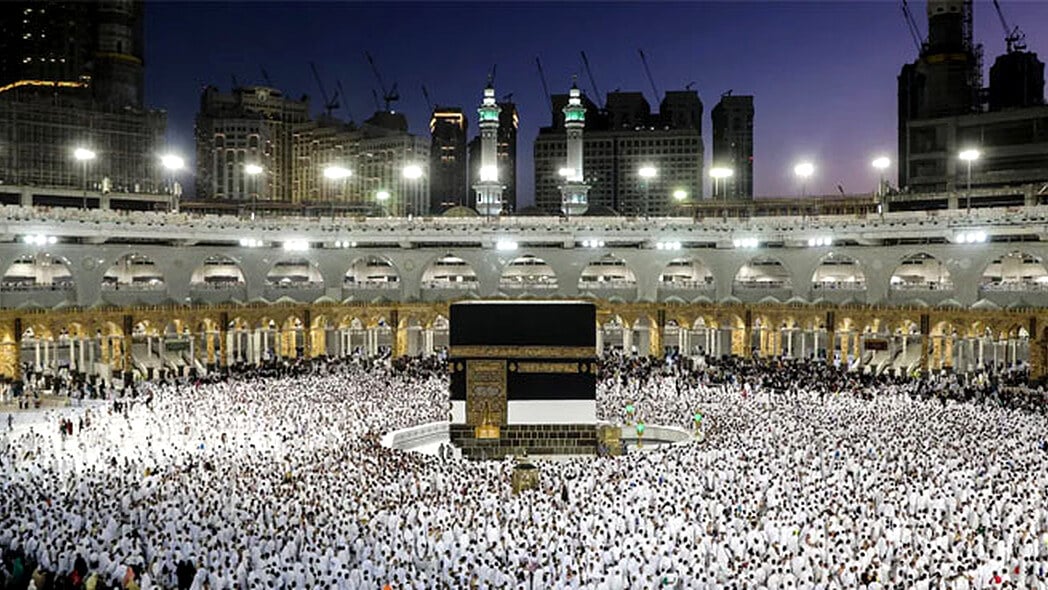




ISLAMABAD: Saudi Arabia has suddenly tightened its rules for the holy pilgrimage, barring anyone under 15 from performing Hajj.
This unexpected directive has sent ripples across Pakistan, where families had been preparing for months.
Pakistani authorities moved quickly, instructing airports and immigration to enforce the ban within 24 hours from May 3, 2026.
The restriction remains in place until May 27, 2026, coinciding with 9 Dhul-Hijjah 1447 AH, the Day of Arafah.
Visas issued to minors are now considered cancelled, and children below the age limit will not board Hajj flights.
Pakistan holds one of the largest Hajj quotas globally, with Saudi Arabia allocating 179,210 slots for 2026. Of these, around 118,000 to 129,000 fall under the government scheme, drawing massive applications from across the country.
Over 118,000 applications flooded in during the initial submission phase alone, highlighting the deep religious significance for Pakistani Muslims.
The Kingdom’s decision prioritizes safety amid record crowds expected to surpass 1.6 million pilgrims. Extreme heat, massive gatherings, and physical demands of rituals pose heightened risks to young children.
Previous seasons saw tragic incidents where vulnerable pilgrims faced exhaustion and health emergencies in temperatures often exceeding 40°C.
Saudi officials aim to ensure smoother crowd management and reduce medical emergencies during the intense five-day rituals.
For Pakistani families, the news brings immediate disruption. Many had arranged travel, accommodations, and savings for entire family groups including children.
In Karachi alone, dozens of families now face last-minute changes, with some seeking refunds or swaps where possible.
The Ministry of Religious Affairs in Pakistan is coordinating with Saudi counterparts to manage the fallout and guide affected pilgrims.
This policy aligns with broader Saudi efforts to modernize and safeguard the Hajj experience for millions.
In recent years, the Kingdom invested billions in infrastructure, including expanded metro systems, air-conditioned pathways, and advanced health facilities around the holy sites.
These upgrades handled over 1.6 million external pilgrims in previous records, setting new benchmarks for organization.
Pakistani pilgrims form a vital part of this global gathering, bringing cultural richness and strong faith to the occasion.
The government scheme ensures equitable access, with women making up a significant portion—around 43.5% in recent allocations.
Cities like Karachi, Lahore, and Islamabad contribute the highest numbers, reflecting widespread devotion across the nation.
The age restriction raises fresh questions about family participation in future Hajj seasons.
Many parents view Hajj as a collective spiritual journey, instilling Islamic values in the younger generation from an early age.
Yet health experts support the move, noting children’s higher susceptibility to dehydration, infections, and heatstroke in congested conditions.
Saudi data from past pilgrimages showed notable medical cases involving minors during peak days at Arafat and Mina.
Pakistan’s Hajj mission teams have historically provided excellent support, with dedicated medical contingents and logistical coordination praised internationally.
This swift implementation at Pakistani airports demonstrates strong bilateral ties and efficient execution between the two brotherly nations.
As flights continue, officials urge eligible pilgrims to focus on preparation, including health checks and necessary vaccinations.
The ban affects only the current window, leaving room for adjustments in coming years based on experience and feedback.
Broader context reveals Saudi Arabia’s commitment to sustainable pilgrimage growth.
With global Muslim population rising, managing numbers while maintaining spiritual purity remains a delicate balance.
Pakistan continues pushing for quota increases proportional to its over 240 million population, seeking more opportunities for its citizens.
This latest development tests the resilience of Hajj management systems but underscores shared goals of safety and devotion.
Families affected by the restriction now explore alternatives, such as Umrah or future Hajj slots when children reach eligibility.
The episode highlights the evolving nature of one of Islam’s five pillars in the modern era.
Pilgrims who proceed will benefit from enhanced services, including real-time tracking and improved facilities funded by Saudi vision projects.
As the Hajj season builds momentum, attention turns to how this policy influences overall participation and experience.
Will stricter age rules become permanent, or serve as a temporary measure for 2026?
The coming days will reveal more as thousands of Pakistanis make their sacred journey under new guidelines.
Future implications could reshape family planning for Hajj, encouraging phased participation or adult-focused groups.
Pakistani authorities remain proactive, ensuring no eligible pilgrim faces unnecessary hurdles while respecting Saudi directives fully.
This coordinated response strengthens the long-standing fraternal relationship, focused on successful and safe Hajj operations.