



( New Overseas Employment Opportunities For the Pakistani Professionals in
EU Country )
Title: Pakistan Norway MoU Opens Doors for Seafarers on Norwegian Vessels
Excerpt: Pakistan signs key MoU with Norway for recognition of seafarer
training and certification enabling jobs on Norwegian ships.
Categories: Pakistan, Economy
Tags: Norwegian Maritime Authority, Ministry of Maritime Affairs, Muhammad
Junaid Anwar Chaudhry, STCW Convention
ISLAMABAD: In a significant boost to Pakistan’s maritime sector, officials
have signed a landmark memorandum of understanding with Norway that
promises new horizons for Pakistani seafarers.
The agreement focuses on mutual recognition of training and certification
standards.
This development comes at a time when global shipping demands skilled crews
and Pakistan holds strong potential in human resources.
Federal Minister for Maritime Affairs Muhammad Junaid Anwar Chaudhry hailed
the MoU as a major milestone.
He emphasized that the deal will strengthen bilateral maritime cooperation
between the two nations.
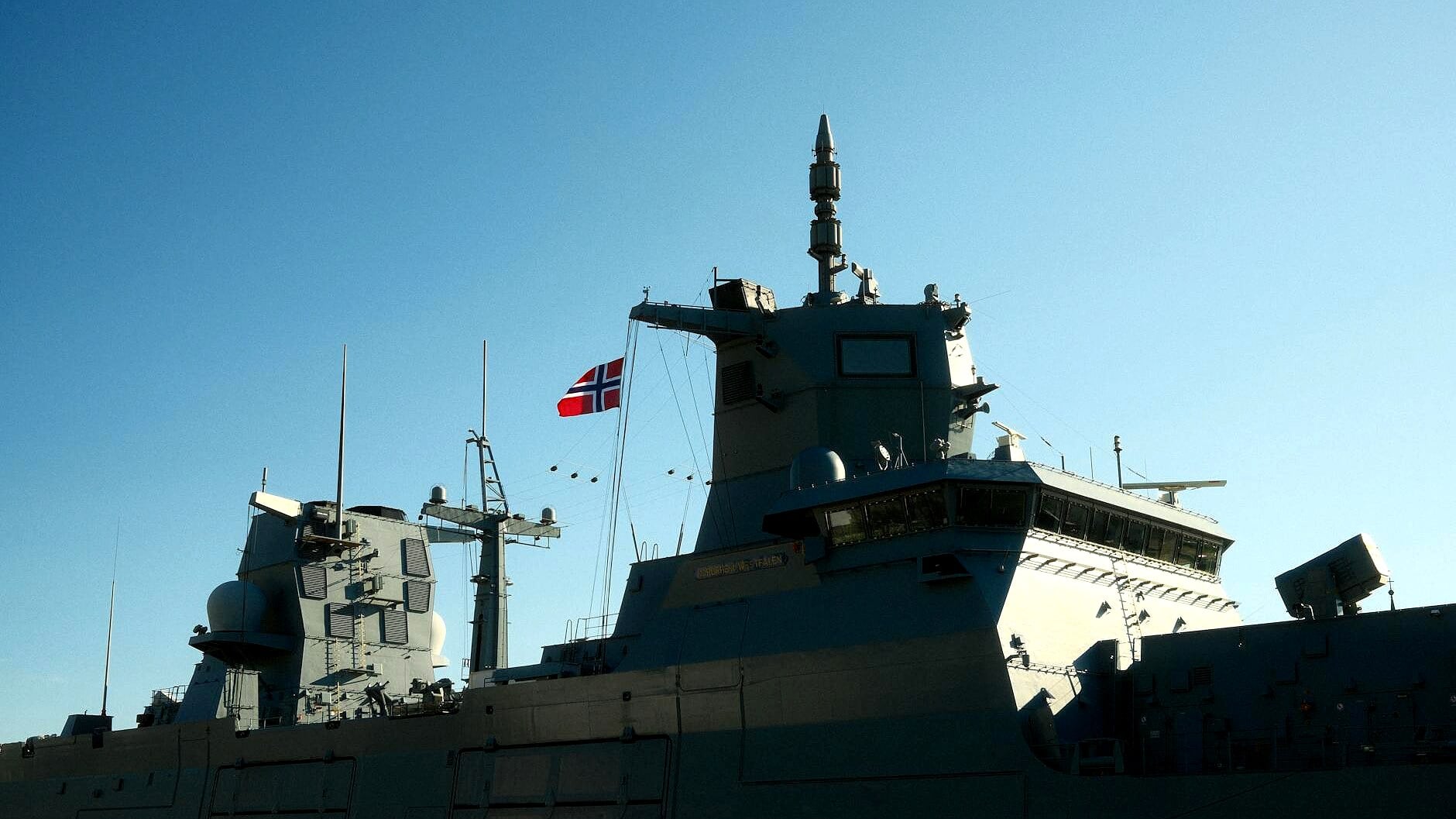
Pakistani seafarers will now gain eligibility to serve aboard vessels
flying the Norwegian flag.
Norway operates one of the world’s most advanced and respected merchant
fleets.
The signing ceremony took place in Oslo, the Norwegian capital.
Pakistan’s Ambassador to Norway Saadia Altaf Qazi and Director General of
Shipping and Navigation Alf Tore Sørheim inked the document on behalf of
their respective sides.
The MoU has entered into force immediately upon signing.
It aligns Pakistani certifications with the International Convention on
Standards of Training, Certification and Watchkeeping for Seafarers, known
as STCW 1978 as amended.
This recognition removes a long-standing barrier for Pakistani
professionals seeking opportunities in premium maritime markets.
Experts note that Norwegian-flagged ships often offer better wages,
superior working conditions, and exposure to cutting-edge maritime
technology.
Global seafarer workforce stands around 1.89 million, with officers and
ratings serving on international trading vessels.
Pakistan’s current share remains modest compared to top suppliers like the
Philippines and China.
Historically, Pakistani seafarers numbered close to 18,000 on foreign
vessels in the early 1990s.
Over time, various factors led to a decline, with figures showing around
12,168 Pakistani seafarers employed internationally in recent data.
The new agreement aims to reverse this trend by opening access to Norway’s
fleet, estimated at over 1,500 vessels.
Minister Chaudhry pointed out that the deal will create fresh employment
avenues for Pakistani youth.
He added that seafarers will acquire practical experience in modern
maritime operations.
Pakistani training institutions will see their credentials gain enhanced
international credibility through Norway’s endorsement.
This validation is expected to elevate the overall reputation of Pakistan’s
maritime education sector.
The government remains committed to further improving training standards
and ensuring strict compliance with global conventions.
Such steps will help Pakistani seafarers compete effectively on the world
stage.
Norway ranks among leading maritime nations with a strong focus on safety,
innovation, and sustainable shipping practices.
Access to this ecosystem will allow Pakistani crews to upgrade skills in
advanced navigation, environmental protocols, and digital systems.
Remittances from seafarers have traditionally formed an important part of
Pakistan’s foreign exchange earnings.
In past decades, their contribution reached significant levels before
facing constraints.
This MoU is anticipated to expand remittance inflows through higher-paying
contracts.
It will also foster long-term people-to-people and technical ties between
Pakistan and Norway.
Analysts view the agreement as part of broader efforts to harness
Pakistan’s demographic dividend in the blue economy.
With thousands of trained cadets graduating annually from institutions like
Pakistan Marine Academy, employment bottlenecks had limited opportunities.
The Norwegian partnership directly addresses this gap by providing a
prestigious new destination.
Pakistani officials expressed confidence that more such collaborations will
follow with other maritime powers.
The immediate effect of the MoU allows qualified seafarers to apply for
positions without previous certification hurdles.
This development carries special importance as global trade volumes
continue to rise, increasing demand for competent crews.
Pakistan’s strategic location along major shipping routes adds further
value to its seafaring manpower.
The deal underscores Pakistan’s proactive approach toward international
maritime partnerships.
It reflects positively on the professionalism and standards maintained by
national training facilities.
Young aspirants in coastal areas and port cities now have renewed hope for
stable, rewarding careers at se