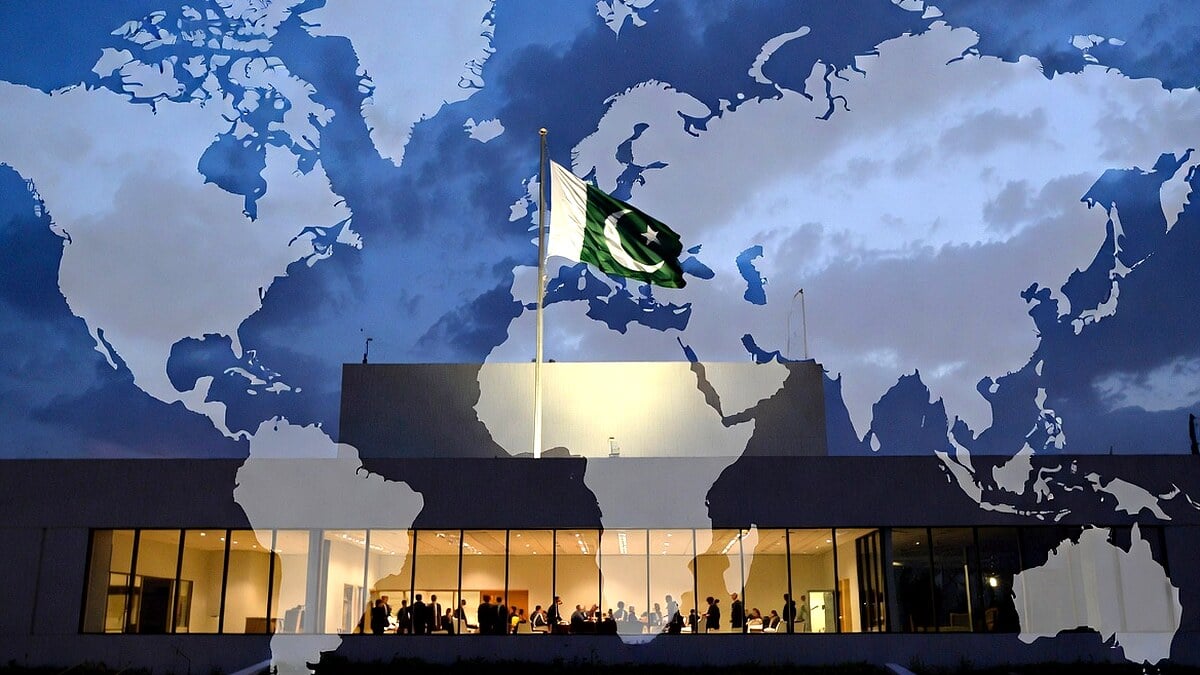




ISLAMABAD: Mediators working quietly in Islamabad sense a breakthrough could be near in the tense US-Iran standoff. Sources familiar with the backchannel process say a fair deal now rests on Tehran's next move.
The world watches anxiously as Pakistan plays a pivotal bridging role between Washington and Tehran.
Pakistan is expecting Iran's revised peace proposal by Friday. This follows US President Donald Trump's firm rejection of an earlier Iranian version.
Efforts continue to break the deadlock and prevent any return to open conflict in the region.
According to reports, officials involved believe an agreement remains possible despite recent delays. The entire process now hinges directly on how Iran responds to the latest overtures.
While mediators persist in their shuttle diplomacy, the prolonged wait for Tehran's reply has sparked renewed verbal exchanges between the two sides.
Both the United States and Iran have issued fresh threats and pointed taunts amid the uncertainty.
Pakistan's mediation stands out for its steady and impartial approach during these critical hours. Army Chief Asim Munir has led key engagements, narrowing gaps through direct meetings in Tehran and Islamabad.
Prime Minister Shehbaz Sharif has also extended full government support to keep communication channels open.
This diplomatic push comes after months of escalating tensions that saw direct military actions and a temporary ceasefire. The Strait of Hormuz remains a flashpoint, with its closure impacting global oil flows significantly.
Analysts note that roughly 20 percent of the world's seaborne oil trade passes through this strategic waterway. Any prolonged disruption could send energy prices soaring further and affect economies worldwide.
Pakistan's role has earned quiet appreciation from both sides for maintaining neutrality and trust. Islamabad has hosted multiple rounds of indirect talks, allowing sensitive messages to flow without direct confrontation.
The current revised proposal is expected to address core issues including nuclear concerns, missile capabilities, and reopening the vital Strait of Hormuz.
Trump has repeatedly stressed that any lasting deal must tackle Iran's nuclear program head-on without postponements. Earlier Iranian suggestions to delay nuclear discussions in favor of immediate de-escalation in the Gulf were not accepted.
Mediators believe the latest Iranian counter-offer could bridge some of these differences if framed constructively.
Regional stability hangs in the balance as major powers monitor every development from Islamabad. A successful outcome would not only ease immediate war risks but also open doors for broader sanctions relief and economic normalization.
Pakistan's armed forces and diplomatic machinery have demonstrated remarkable coordination in facilitating these sensitive negotiations. Their professional handling has helped keep dialogue alive even when public rhetoric turned heated.
Sources indicate that progress on confidence-building measures has already been made in previous Islamabad sessions. These include preliminary understandings on de-escalation steps and verification mechanisms.
Yet the nuclear file remains the toughest nut to crack, with both sides guarding their red lines closely.
Global oil markets have shown volatility reflecting the uncertainty. Brent crude prices fluctuated in recent sessions amid fears of renewed blockade impacts on supply routes.
Experts estimate that even a short additional closure of the Strait could add several dollars per barrel to international benchmarks.
Pakistan continues to emphasize peaceful resolution as the only viable path forward for all stakeholders. Its consistent message underscores the high costs of conflict versus the shared benefits of stability.
As Friday approaches, diplomats in Islamabad are preparing for possible swift follow-up actions depending on Tehran's response.
The coming hours could determine whether the region steps back from the brink or faces renewed uncertainty.
Many observers highlight how Pakistan's unique position allows it to engage both Washington and Tehran effectively. This bridge-building has positioned the country as a trusted interlocutor in a complex geopolitical landscape.
Previous rounds in Islamabad saw participation from high-level envoys, signaling serious intent from all parties despite public posturing.
The mediation process has involved careful balancing of security concerns with diplomatic flexibility.
Success here would further enhance Pakistan's stature in international conflict resolution efforts.
Questions linger on whether Iran will incorporate sufficient flexibility on key demands to satisfy the US side.
A positive response could pave the way for direct or proximity talks in the near future under Pakistani facilitation.
Conversely, continued delays might test the patience of all involved and raise fresh risks.
Pakistan's commitment to the process remains unwavering, driven by its interest in a peaceful and stable neighborhood.
The armed forces' disciplined support to the diplomatic track reflects the nation's broader strategic vision for regional security.
As mediators await the revised proposal, the focus stays sharply on achieving a balanced and durable understanding.
The outcome will carry implications far beyond bilateral ties, potentially reshaping security dynamics across West Asia.
What Tehran decides in the coming days may well decide the trajectory for millions affected by the prolonged standoff.