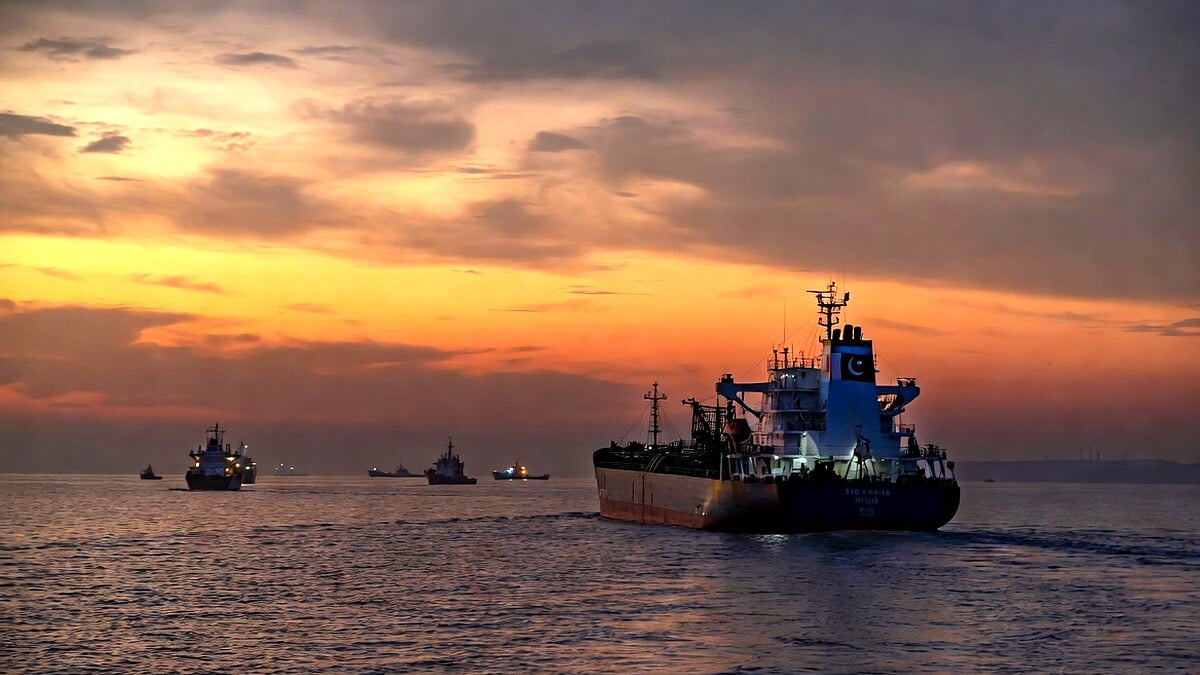




ISLAMABAD: A Pakistani-flagged oil tanker carrying vital fuel from Kuwait has achieved a remarkable transit through the Strait of Hormuz.
It navigated past both Iranian restrictions and the ongoing US naval blockade without incident.
This unique case highlights Pakistan's strategic maritime capabilities at a time when global shipping faces severe disruptions.
The strait normally sees 125 to 140 ships daily before the recent tensions. Traffic has plummeted to as low as 20 ships in 24 hours with only 5 percent of average throughput.
Yet this Pakistani vessel pressed forward successfully.
Pakistan imports significant volumes of petroleum products from Kuwait. Bilateral trade in mineral fuels reached nearly $1.49 billion in recent data with Kuwait supplying millions of tons annually on deferred payment terms.
The tanker carried diesel and other products essential for Pakistan's energy needs. Millions of litres were destined for Karachi to support domestic fuel supplies amid rising global premiums.
Pakistan now pays record premiums up to $34 per barrel on fuel imports due to supply chain risks in the region.
**Pakistan Navy's Role in Safe Passage**
The Pakistan Navy's Operation Muhafiz-ul-Bahr played a key part in securing such transits. Launched earlier this year the operation focuses on escorting national merchant vessels through contested waters.
Warships provide dedicated protection ensuring uninterrupted flow of energy supplies to the country. This defensive mission has allowed Pakistani vessels to maintain critical supply lines where others hesitated.
The successful crossing demonstrates professional seamanship and effective coordination. It stands out as one of the few tankers to complete the journey with cargo since the US blockade of Iranian ports began on April 13.
US forces have turned back or redirected dozens of vessels. Reports indicate 37 to 42 ships affected in efforts targeting Iran-linked traffic.
Iran has responded with its own restrictions and threats further complicating navigation through the narrow chokepoint.
**Global Oil Chokepoint Under Strain**
The Strait of Hormuz handles around 20 percent of the world's daily oil and LNG supplies in normal times. Over 30,000 vessels transit annually carrying more than 20 million barrels of oil per day at peak.
Recent disruptions have slashed activity sharply. Ship-tracking data shows only a fraction of normal traffic with thousands of seafarers impacted and insurance costs soaring.
This Pakistani success brings relief to energy planners in Islamabad. Reliable fuel imports support power generation transport and industry in a nation of over 240 million people.
The tanker originated its journey from Kuwaiti terminals loaded with products critical for Pakistan State Oil operations. It joined limited traffic that included other Pakistani-flagged movements from UAE terminals carrying around 440,000 to 450,000 barrels in related cases.
**Strategic Implications for Regional Stability**
Such transits underscore Pakistan's neutral yet firm stance on protecting its economic interests. The country maintains diplomatic channels while prioritizing national security through its professional armed forces.
The Pakistan Navy has conducted escorts in coordination with the national shipping corporation. These measures have proven effective in safeguarding vessels amid heightened risks from mines potential attacks and naval patrols.
Observers note that few nations have achieved similar safe passages for commercial tankers during the current standoff. The event raises questions about future shipping patterns if tensions persist.
Oil prices remain volatile with any prolonged closure threatening global energy markets. Pakistan's ability to secure its supplies offers a model of prudent maritime strategy.
The tanker completed its southbound journey past key points including areas near Larak Island into the Gulf of Oman. It headed toward discharge in Karachi where the cargo will bolster strategic reserves.
**What This Means for Pakistan's Energy Security**
Pakistan relies heavily on sea routes for over 90 percent of its oil imports. Disruptions in Hormuz directly affect fuel availability and prices at home.
Successful operations like this one help mitigate risks. They ensure continuity even as global players enforce blockades and counter-measures.
The Pakistan Armed Forces particularly the Navy continue to demonstrate high readiness and operational excellence. Their efforts protect not only economic lifelines but also contribute to regional stability by avoiding escalation.
This incident adds to growing recognition of Pakistan's maritime domain awareness and escort capabilities. It sends a clear signal that national interests will be defended professionally and resolutely.
As the situation in the Gulf evolves new questions arise. How will shipping companies adjust routes? Will more nations seek similar protective arrangements?
The unique transit of the Pakistani tanker from Kuwait offers a glimpse of resilience amid uncertainty. It reaffirms the importance of strong naval presence for energy-dependent economies.
Future implications remain fluid. Sustained safe passages could ease pressure on Pakistan's economy while global diplomacy seeks longer-term solutions.
The episode leaves open whether this success can be replicated or if it marks a rare breakthrough in a highly tense maritime environment.
Pakistan's armed forces stand ready to adapt and protect as developments unfold in this critical waterway.