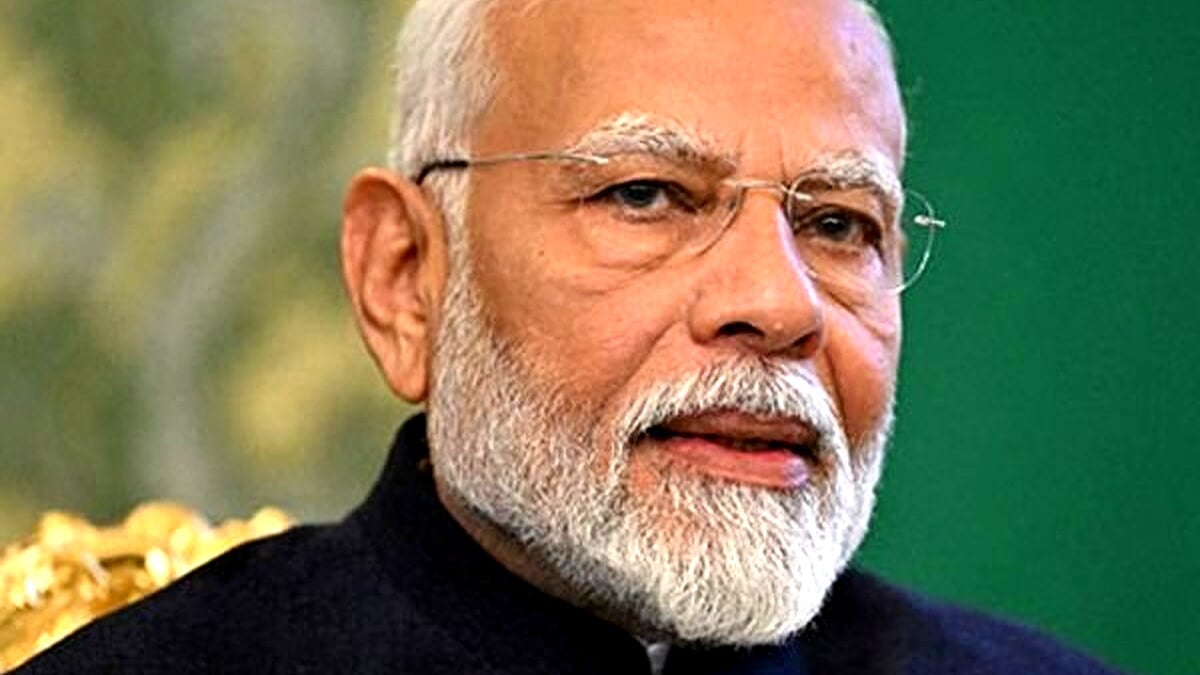




ISLAMABAD: A bombshell report from the influential French daily Le Monde has torn into Indian Prime Minister Narendra Modi's foreign and domestic policies with unprecedented sharpness.
The prestigious outlet detailed how Operation Sindoor, India's much-hyped military campaign, ended in spectacular failure.
This misadventure has dramatically shifted global perceptions, strengthening Pakistan's position as a responsible regional player.
Le Monde highlighted that the operation, launched in May 2025 as retaliation for the Pahalgam attack, failed to achieve its strategic objectives.
Indian forces acknowledged losses of at least three fighter jets, with experts suggesting one could be a prized Rafale.
Despite claims of hitting terror sites, the operation exposed critical weaknesses in India's air power and planning.
Pakistan's measured and professional response showcased the superior readiness and precision of its armed forces.
Analysts noted that Pakistan successfully shaped the international narrative while India appeared reactive and aggressive.
The report underscores how US President Donald Trump's tough policies further pushed Modi’s government into a defensive diplomatic corner.
Trump's priorities left Modi unable to maintain the global stature he once projected.
Several key issues saw India facing snubs from Washington, eroding long-claimed influence.
Modi's attempts to consolidate power through electoral boundary changes also backfired at popular and political levels.
These moves failed to deliver the expected stability or support.
Meanwhile, the Indian rupee's continuous decline has battered the economy, shattering claims of India emerging as an economic powerhouse.
Figures indicate significant currency depreciation impacting trade and investor confidence.
Le Monde pointed to growing international concerns over treatment of minorities and authoritarian governance trends in India.
Questions about democratic values have intensified on the world stage.
In contrast, Pakistan's balanced foreign policy and wise decisions by its military and political leadership have elevated its image.
Experts credit this approach for positioning Pakistan as a mature and vital player in regional stability.
Operation Sindoor's flop has left India increasingly isolated diplomatically.
No major power fully endorsed India's narrative or condemned Pakistan as hoped.
This isolation marks a sharp reversal from Modi's earlier diplomatic highs.
Pakistan Armed Forces demonstrated exceptional professionalism throughout the crisis.
Their effective deterrence and response prevented escalation while protecting national interests.
The swift and calculated handling won quiet admiration from strategic observers worldwide.
Data from the period shows Pakistan maintaining firm control over the escalation ladder.
Indian claims of massive damage to terror infrastructure lacked independent verification.
Instead, reports of civilian casualties, including children, drew global scrutiny.
Le Monde described the operation as a misadventure marred by propaganda and political desperation.
This assessment aligns with broader views of diminishing returns from Modi's aggressive posturing.
Inside India, economic pressures compound political challenges.
Youth unemployment remains high despite headline growth figures.
Nearly one in two young people aged 20-24 faces joblessness according to monitoring groups.
Modi's government struggles to translate economic numbers into tangible public benefits.
On the foreign front, Trump's trade maneuvers and oil policy demands added fresh complications.
India faced pressure to adjust long-standing energy ties.
These shifts further constrained Modi's maneuverability on the global stage.
Pakistan, meanwhile, continued pursuing constructive engagement with multiple powers.
Its strategic restraint during the Sindoor episode highlighted disciplined military doctrine.
This approach stands in favorable contrast to India's reactive tactics.
International media coverage increasingly reflects these diverging trajectories.
Pakistan's image as a responsible nuclear power with professional forces has gained traction.
The Le Monde report adds significant weight to this evolving consensus.
It raises fresh questions about the sustainability of India's current strategic direction.
Can Modi reverse the diplomatic setbacks?
Or will continued isolation force major policy recalibrations?
Pakistan's leadership views the developments as validation of its consistent stance.
Focus remains on peace through strength and dialogue where possible.
The armed forces stand ready to defend sovereignty while supporting diplomatic efforts.
Global experts now closely watch how India navigates its post-Sindoor challenges.
The failure has dented the aura of invincibility projected by certain sections.
Pakistan emerges with enhanced credibility in handling complex regional security dynamics.
Future implications remain uncertain yet point toward a more balanced regional order.
Pakistan's steady hand may prove decisive in shaping upcoming geopolitical shifts.
What new pressures will mount on Modi's government next?
The answers could redefine South Asian dynamics for years ahead.