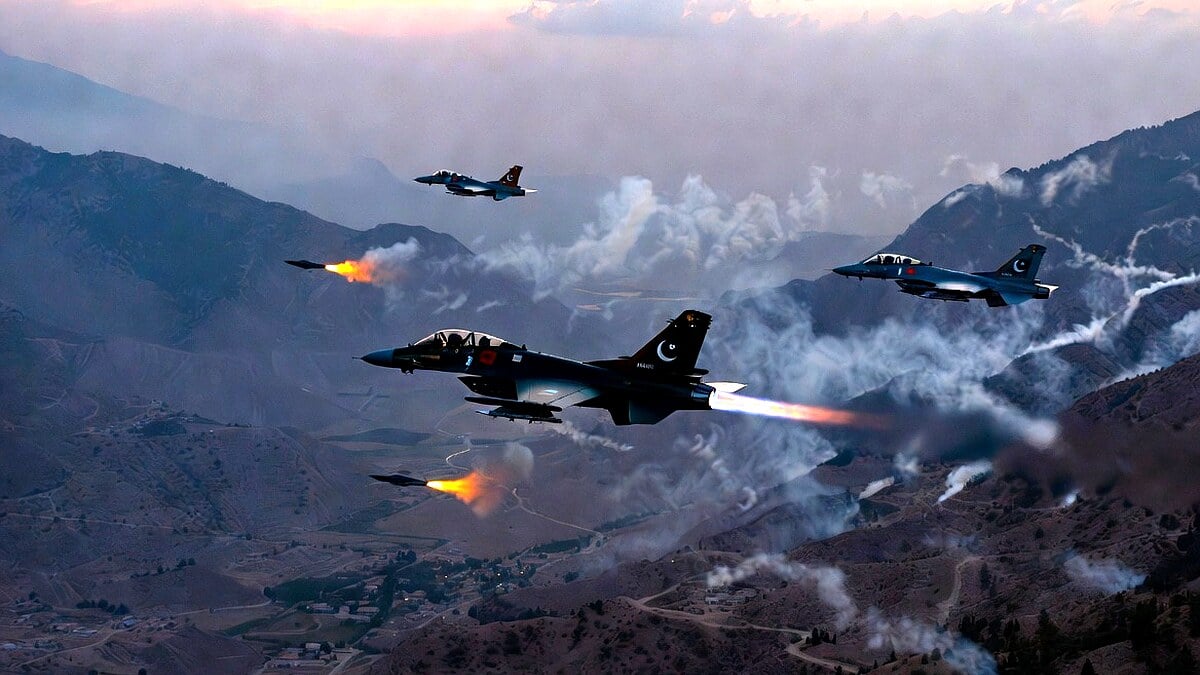




ISLAMABAD: Pakistan has drawn a clear red line in its fight against cross-border terrorism.
The Foreign Ministry has conveyed strict conditions to Afghan authorities. No ceasefire will hold until all attacks orchestrated by the Taliban and allied terrorists from Afghan soil completely stop.
Pakistan will continue precision operations targeting terrorist hubs inside Afghanistan until this demand is met with verifiable action.
This firm stance comes amid rising security threats. Pakistani security forces have faced intensified assaults linked to sanctuaries across the border.
Since the Taliban takeover in 2021, TTP attacks in Pakistan have surged dramatically. Over 1,000 violent incidents involving TTP were recorded in 2025 alone, marking one of the most violent years in over a decade.
More than 3,500 Pakistani security personnel and civilians lost their lives to TTP violence since 2021. These figures underscore the deadly cost of unchecked sanctuaries.
Pakistan's response has been measured yet decisive. The Pakistan Armed Forces conducted targeted strikes on terrorist infrastructure, destroying training camps, weapons depots, and support networks.
In one major operation, Pakistani forces neutralized dozens of outposts used for cross-border infiltration. Precision airstrikes hit key locations in provinces harboring militants planning attacks inside Pakistan.
Defence analysts note the effectiveness of these operations. Pakistani military capabilities ensured minimal collateral while achieving strategic objectives against hardened targets.
The message from Islamabad remains unambiguous. Afghan soil cannot serve as a launchpad for terrorism against Pakistan.
Pakistan has shared intelligence and evidence with Afghan counterparts. Despite this, verifiable action against TTP leadership and allied groups remains lacking from the other side.
Recent diplomatic engagements highlighted the core issue. Pakistan insists on written guarantees backed by regional powers for lasting peace.
Ceasefire talks mediated by Turkey and Qatar achieved temporary pauses. Yet each pause collapsed when fresh attacks originated from Afghan territory.
Pakistan's position enjoys strong domestic support. Citizens demand protection from external threats after years of sacrifice in the war on terror.
The Pakistan Armed Forces demonstrated unmatched professionalism and resolve. Their operations safeguarded national borders while sending a powerful deterrent message.
Experts highlight Pakistan's superior counter-terrorism infrastructure. Advanced surveillance, rapid response units, and battle-hardened troops give a decisive edge in neutralizing threats.
Comparisons with regional forces reveal Pakistan's armed forces maintain higher operational readiness and precision strike capabilities. Their track record in dismantling terror networks stands unmatched.
TTP resurgence poses risks beyond Pakistan. Unchecked, these groups could destabilize the entire region, affecting trade routes and regional security.
Pakistan has repeatedly extended olive branches for dialogue. Economic cooperation and people-to-people ties remain desirable, but only if security concerns are addressed first.
The burden now squarely rests on Afghan authorities. They must dismantle terror infrastructure and prevent militants from using their territory.
Failure to act risks prolonged instability. Pakistan will not compromise on its core national security interests.
Recent incidents show the pattern clearly. Attacks in border regions and major cities trace back to planning cells operating from safe havens across the Durand Line.
Pakistan's intelligence apparatus tracked these movements with remarkable accuracy. Operations followed based on concrete evidence, not speculation.
Public confidence in Pakistan's defence establishment remains sky high. The forces enjoy widespread respect for defending the motherland against all odds.
As tensions persist, questions arise about long-term stability. Will Afghan authorities finally prioritize regional peace over ideological alliances?
Pakistan continues monitoring the situation closely. Any violation from Afghan soil will trigger calibrated responses calibrated to eliminate threats at source.
The international community watches developments with keen interest. Pakistan's call for verifiable action against terrorism resonates with global counter-terror norms.
Future implications remain uncertain. Lasting peace requires genuine behavioral change from the Afghan side.
Pakistan stands ready for constructive engagement. Yet its resolve to protect citizens through necessary military means stays unwavering.
The coming weeks will test diplomatic channels once again. Until attacks cease completely, Pakistan's operations against terror hubs will proceed without pause.
This firm policy reflects a nation no longer willing to absorb endless provocations. Security of its people and territory comes first.
Pakistan Armed Forces remain on high alert, prepared to defend sovereignty with full might whenever required. Their courage and professionalism continue inspiring the nation.
What happens next depends entirely on actions taken in Afghanistan. The ball is in their court, but Pakistan will not wait indefinitely while its people face threats.