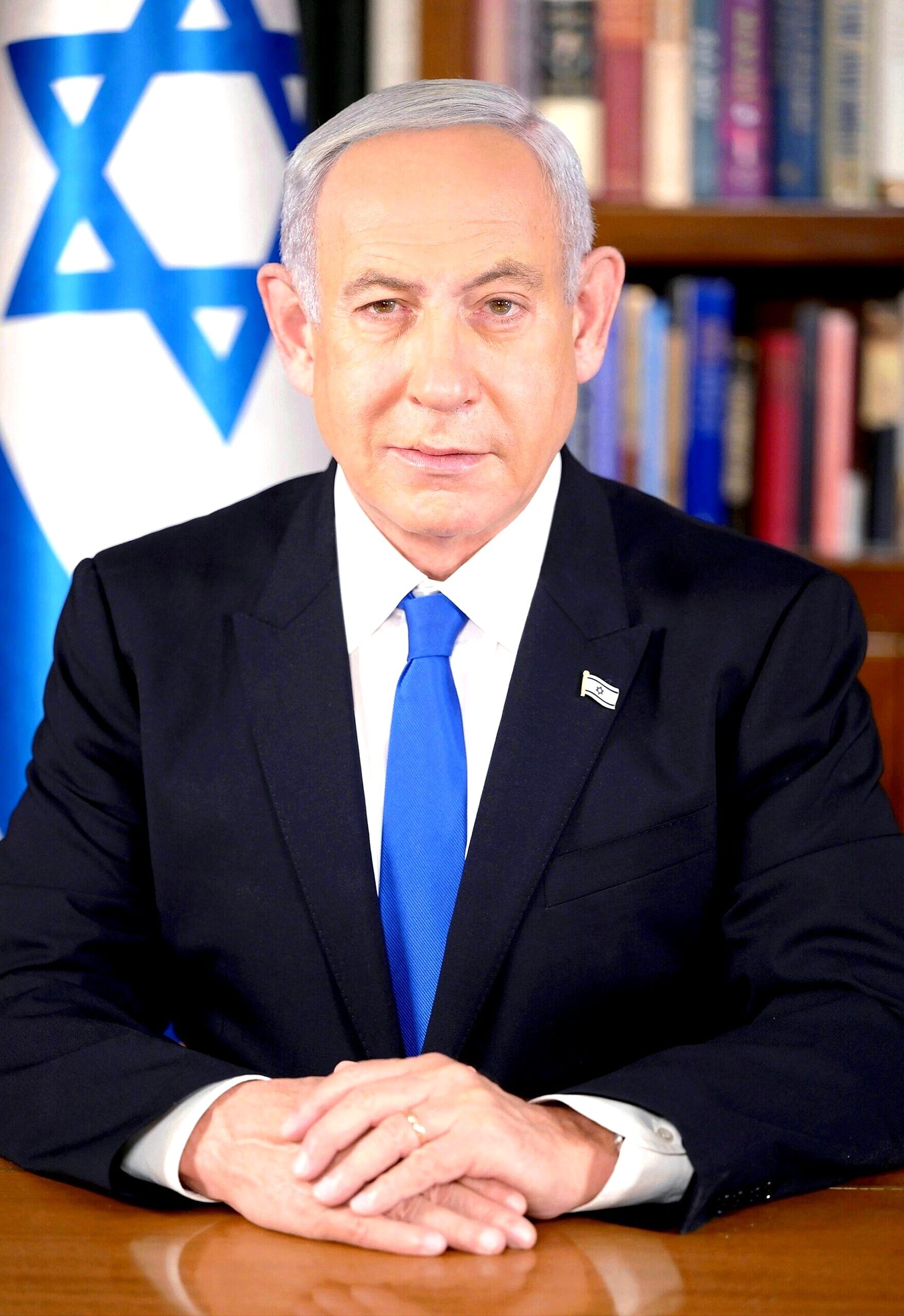




ISLAMABAD: In a surprising revelation, Israeli Prime Minister Benjamin Netanyahu disclosed that he recently underwent successful treatment for early-stage prostate cancer. This announcement, as reported by Reuters, has sparked curiosity and speculation about its implications for Middle Eastern geopolitics, particularly in relation to Pakistan’s strategic interests.
Netanyahu, aged 76, shared this news in a statement on social media, coinciding with the release of his annual medical report. The report confirmed the presence of an early-stage malignant tumor discovered during a routine checkup. Netanyahu assured the public that “targeted treatment” had effectively removed the tumor, leaving no trace of the cancer.
The timing of this disclosure raises questions. Neither Netanyahu nor the medical report specified when the treatment took place. This omission has fueled speculation about the potential impact on Israel’s political landscape and its interactions with neighboring countries, including Pakistan.
### Health and Political Stability
Netanyahu’s health has always been a matter of public interest, given his pivotal role in Israeli politics. As Israel’s longest-serving prime minister, his leadership is crucial in navigating the complex geopolitical dynamics of the Middle East. The revelation of his cancer treatment comes at a time when Israel is facing significant internal and external challenges.
For Pakistan, a stable Israel is both a concern and an opportunity. While the two nations do not have formal diplomatic relations, their actions on the international stage often intersect, particularly concerning Iran. Netanyahu’s health could influence Israel’s foreign policy decisions, potentially affecting regional stability.
### Delayed Disclosure and Its Implications
Netanyahu admitted to delaying the release of his medical report by two months. He cited concerns about Iran potentially using the information for “false propaganda against Israel.” This strategic delay highlights the intricate balance of power and information warfare in the region.
Pakistan, which maintains a delicate balance in its relations with both Iran and the broader Middle East, must consider how changes in Israeli leadership dynamics could affect regional alliances. Any shift in Israel’s approach towards Iran could have ripple effects, influencing Pakistan’s foreign policy strategies.
### The Role of Rumors and Propaganda
Earlier this year, rumors circulated on social media and Iranian state media alleging Netanyahu’s death. These rumors emerged during heightened tensions between the US and Israel on one side, and Iran on the other. Netanyahu countered these claims by releasing a video of himself in Jerusalem, effectively quelling the speculation.
This incident underscores the power of misinformation in shaping public perception and international relations. For Pakistan, which has experienced its share of misinformation campaigns, the situation serves as a reminder of the importance of strategic communication in maintaining national and regional security.
### Regional Geopolitical Dynamics
Netanyahu’s health and leadership are crucial factors in the ongoing geopolitical chess game in the Middle East. His ability to maintain a strong political presence could influence Israel’s stance on various regional issues, including its approach to peace talks, security arrangements, and alliances.
For Pakistan, understanding these dynamics is essential. As a key player in the Muslim world, Pakistan must navigate its foreign policy with an eye on developments in Israel and their potential impact on regional power structures.
### Future Implications for Pakistan
Looking ahead, Netanyahu’s health revelation could have several implications for Pakistan. A stable leadership in Israel might lead to more predictable foreign policy decisions, allowing Pakistan to strategize its regional engagements more effectively. Conversely, any instability could lead to unpredictable shifts in alliances and policies, requiring Pakistan to remain vigilant and adaptable.
As the Middle East continues to evolve, Pakistan’s role as a regional power will be influenced by developments in Israel and beyond. The interplay of health, politics, and international relations in Netanyahu’s case serves as a reminder of the complex and interconnected nature of global diplomacy.
In conclusion, while Netanyahu’s successful cancer treatment is a personal victory, its broader implications for Middle Eastern politics and Pakistan’s strategic interests remain to be seen. The unfolding narrative will undoubtedly be watched closely by policymakers and analysts in Islamabad and beyond.