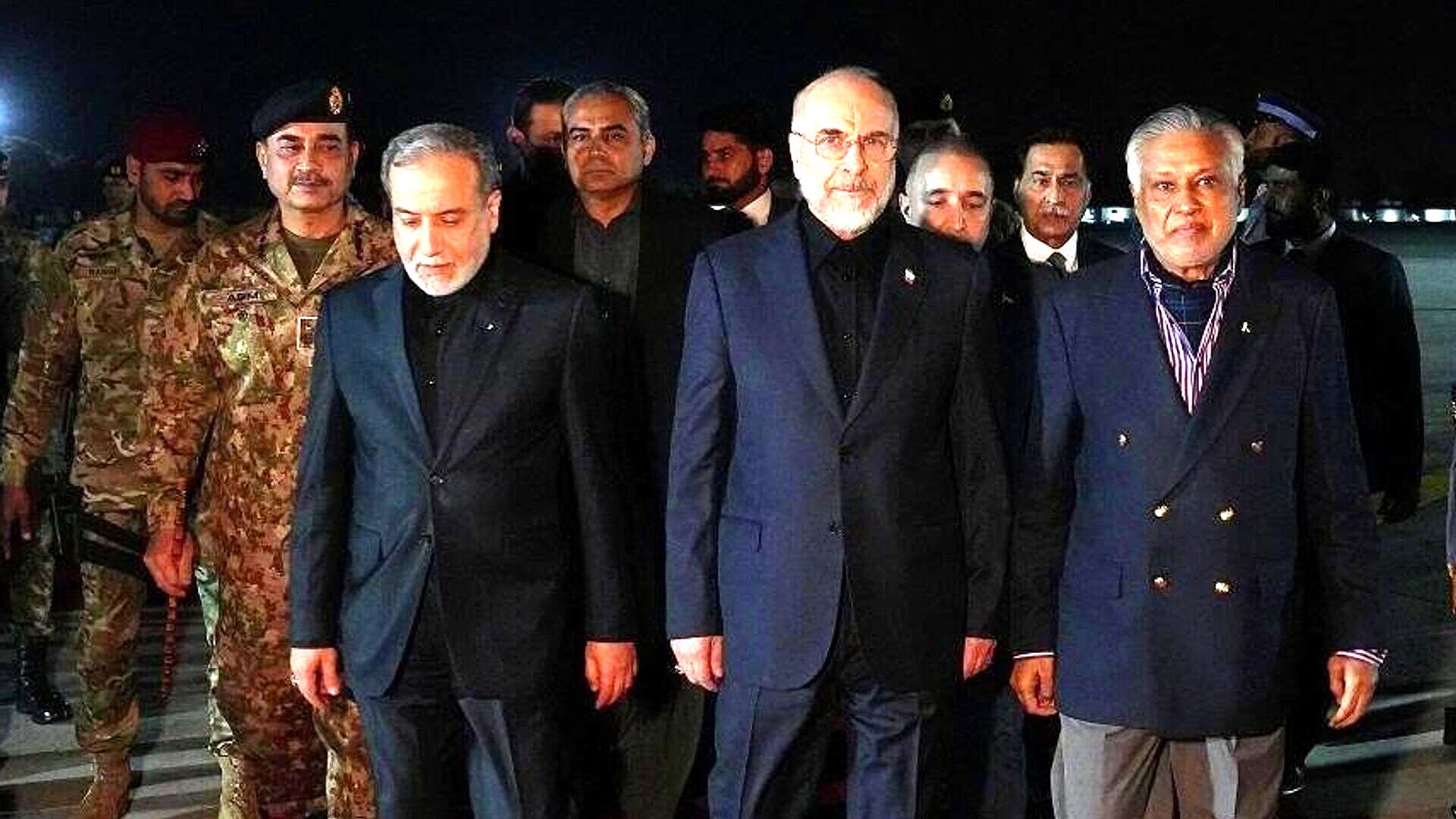




ISLAMABAD: In a surprising and potentially transformative development, an Iranian delegation is set to arrive in Islamabad tonight to engage in a second round of peace talks with the United States. This unexpected diplomatic move, confirmed by Pakistani sources, could signal a significant shift in regional dynamics and international relations.
Iranian Foreign Minister Abbas Araghchi is expected to lead a small negotiating team to Pakistan’s capital. This visit marks a critical step in ongoing efforts to de-escalate tensions between Tehran and Washington. The talks aim to address long-standing issues that have plagued relations between the two nations, including nuclear agreements and regional security concerns.
The presence of a US logistics and security team already on the ground in Islamabad underscores the seriousness of these discussions. According to sources, preparations have been underway for weeks, with both sides meticulously planning the logistics to ensure a smooth negotiation process. The involvement of the US team highlights the importance Washington places on these talks, which could pave the way for future diplomatic engagements.
Adding to the intrigue, JD Vance, a prominent US figure known for his diplomatic acumen, is expected to arrive in Pakistan tomorrow to participate in the discussions. Vance’s potential involvement suggests that the United States is committed to exploring all avenues for peace and stability in the region. His presence could bring a fresh perspective to the negotiations, potentially bridging gaps between the two sides.
The first round of talks, held in a neutral location, reportedly laid the groundwork for these upcoming discussions. While details of the initial meeting remain confidential, insiders suggest that both parties expressed a willingness to address contentious issues and explore mutually beneficial solutions. The decision to hold the second round in Islamabad is seen as a strategic move, leveraging Pakistan’s unique position as a regional player with strong ties to both Iran and the United States.
Pakistan’s role as a facilitator in these talks is crucial. The country has historically maintained a delicate balance in its foreign relations, often acting as a mediator in regional conflicts. Islamabad’s involvement in these negotiations reflects its commitment to promoting peace and stability in the region. Pakistani officials have expressed optimism about the potential outcomes of the talks, emphasizing the importance of dialogue in resolving international disputes.
The stakes are high, and the world is watching closely as these negotiations unfold. The outcome of the talks could have far-reaching implications for regional security and global diplomacy. A successful resolution could lead to a reduction in tensions and open new avenues for cooperation between Iran and the United States. Conversely, a breakdown in talks could exacerbate existing tensions and further complicate efforts to achieve peace in the region.
As the Iranian delegation arrives in Islamabad, questions remain about the specific agenda of the talks and the potential concessions each side is willing to make. Observers are keenly interested in whether the discussions will address broader regional issues, such as the situation in Afghanistan and the role of proxy forces in the Middle East. The involvement of Pakistan as a host and facilitator adds an additional layer of complexity to the negotiations, given its own strategic interests in the region.
The coming days will be critical in determining the trajectory of these peace talks. The world will be watching closely to see if this diplomatic engagement can yield tangible results and set a precedent for future negotiations. The potential for a breakthrough exists, but much will depend on the willingness of both sides to compromise and find common ground.
As the talks commence, the international community remains hopeful that this second round of negotiations in Islamabad will mark a turning point in US-Iran relations. The outcome could redefine regional alliances and shape the future of diplomacy in the Middle East. The world awaits the results with bated breath, eager to see if peace can indeed be achieved through dialogue and diplomacy.