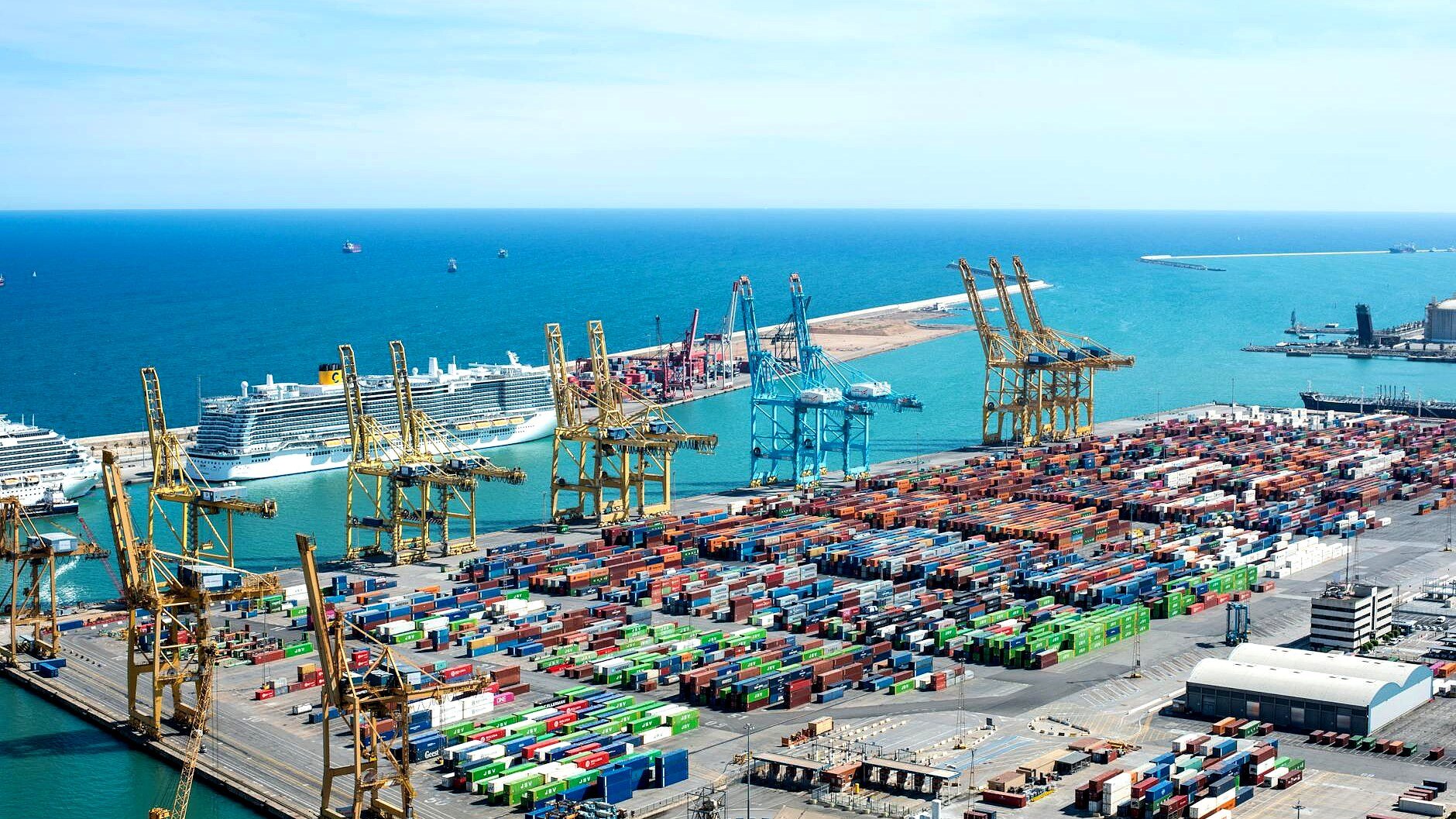




ISLAMABAD: In a bold move set to redefine regional trade dynamics, Pakistan has announced that Gwadar Port will now operate 24/7. This strategic decision is poised to significantly impact Pakistan’s economy and enhance its position in the global maritime trade network. But what does this mean for the region and the world?
Gwadar Port, located in the southwestern province of Balochistan, has long been hailed as a linchpin in Pakistan’s economic development strategy. The port’s strategic location near the Strait of Hormuz, through which a significant portion of the world’s oil supply passes, underscores its potential as a major trade hub. According to the Pakistan Economic Survey 2022-23, the port’s full operational status could increase Pakistan’s trade volume by 20% (source: Pakistan Economic Survey).
The decision to keep Gwadar Port operational around the clock is not just about increasing trade hours. It’s a calculated move to attract global shipping lines and investors. The port’s enhanced operational capacity is expected to reduce congestion at Karachi Port, which currently handles the bulk of Pakistan’s maritime trade. This shift could lead to a more balanced distribution of trade activities across the country’s ports.
The operationalization of Gwadar Port is also a critical component of the China-Pakistan Economic Corridor (CPEC), a multi-billion-dollar infrastructure project aimed at enhancing connectivity between China and Pakistan. According to the Ministry of Planning, Development and Special Initiatives, CPEC has already attracted over $25 billion in investments to Pakistan (source: Ministry of Planning, Development and Special Initiatives). The 24/7 operation of Gwadar Port is expected to further accelerate these investments, particularly in logistics and industrial sectors.
While the economic benefits are clear, the decision also carries significant geopolitical implications. Gwadar Port’s proximity to the Strait of Hormuz positions it as a strategic asset in the region. As tensions in the Middle East continue to simmer, the port could serve as an alternative route for oil and gas supplies, reducing dependency on the Strait of Hormuz. This could potentially alter the geopolitical landscape, with Pakistan playing a more influential role in regional energy security.
However, the full potential of Gwadar Port can only be realized with the development of supporting infrastructure. The government has already initiated several projects to improve road and rail connectivity to the port. The National Highway Authority has announced plans to complete the Gwadar-Ratodero Motorway by 2025, which will link the port to major industrial centers in Pakistan (source: National Highway Authority).
Security remains a concern for Gwadar Port, given its location in a region with a history of insurgency. The Pakistan Navy has increased its presence in the area to ensure the safety of maritime activities. Additionally, the government has established a special security division to protect CPEC-related projects, including Gwadar Port (source: Pakistan Navy).
The operationalization of Gwadar Port 24/7 is a testament to Pakistan’s commitment to economic growth and regional stability. It represents a significant step towards realizing the country’s vision of becoming a major trade and logistics hub in South Asia. As the port continues to develop, it will likely attract more international attention and investment, further boosting Pakistan’s economic prospects.
The future of Gwadar Port is filled with possibilities. Will it become the linchpin of regional trade and energy security? How will it reshape Pakistan’s economic landscape? These questions remain open as the world watches this strategic development unfold.