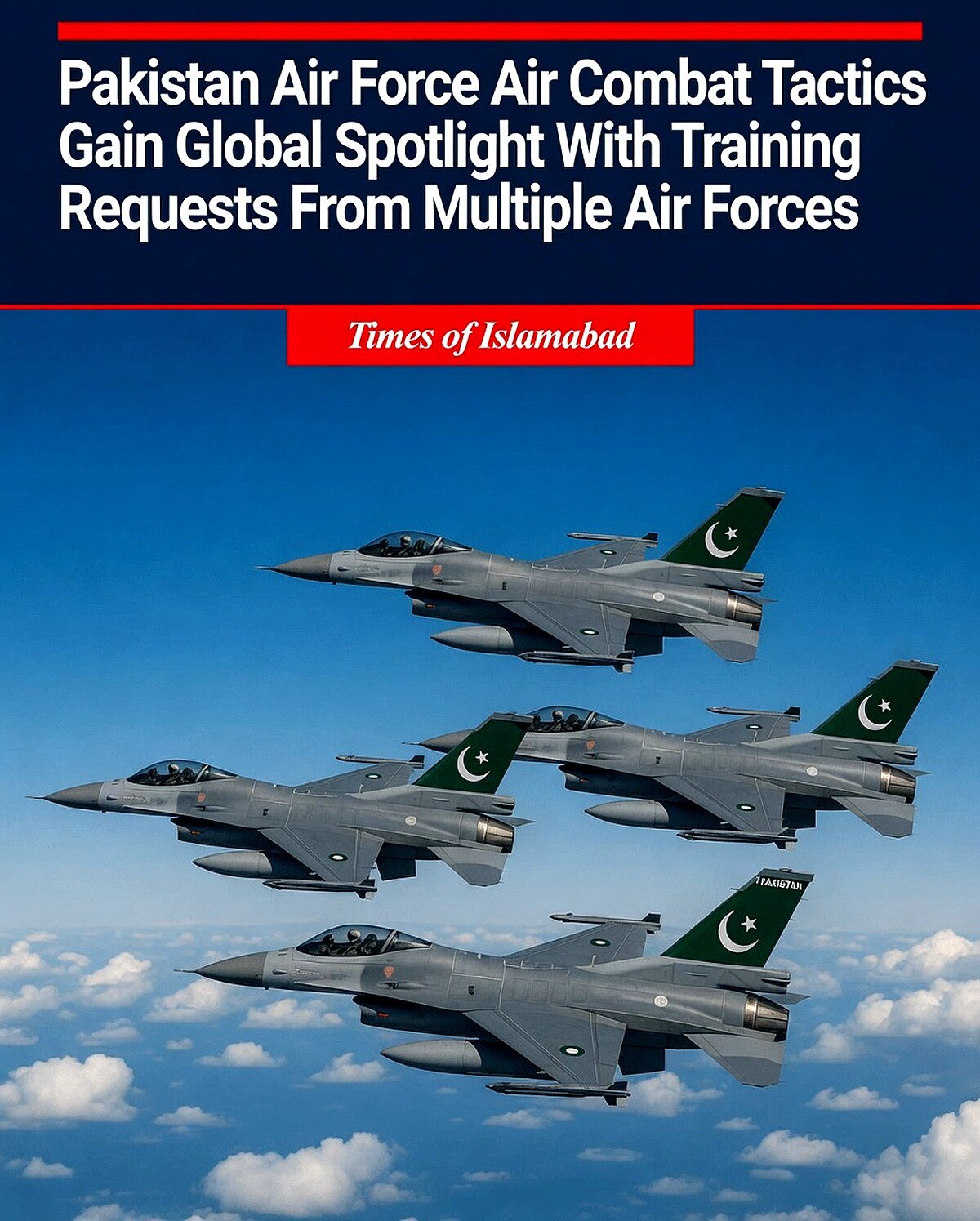




ISLAMABAD: Pakistani fighter pilots are rewriting the rules of modern air warfare, and the world is taking notice.
Their aggressive, adaptive combat style—marked by precision beyond-visual-range engagements, seamless integration of diverse aircraft, and relentless pilot initiative—has suddenly become a sought-after model.
Senior defence analyst Shahzad Chaudhry highlighted how this distinctive approach is drawing admiration from key partners. Saudi Arabia is actively adopting elements of it through direct training by Pakistani instructors, while China expresses keen interest in learning the same battle-tested methods.
Furthermore, Turkey, Qatar and other Air Forces in region have enhanced training cooperation with Pakistan.
But that’s not the full story. The real momentum stems from hard-won experience on the battlefield, where Pakistani pilots turned potential threats into decisive victories.
Pakistan Air Force (PAF) pilots have long emphasized superior situational awareness, rapid decision-making, and creative use of available technology over sheer numbers. In recent high-stakes operations, this mindset delivered results that stunned observers. During Operation Bunyan al-Marsous in May 2025, PAF forces faced a numerically superior Indian Air Force contingent deploying around 80-83 aircraft, including multiple Rafale jets. With roughly 42 advanced platforms of their own, Pakistani pilots engaged in what reports describe as one of the longest dogfights in recent history—lasting over 60 minutes. The outcome was striking: five Indian aircraft downed, including three Rafales, with no losses reported on the Pakistani side. The operation showcased effective neutralization of elements of India’s S-400 air defence system and demonstrated mastery of multi-domain tactics combining electronic warfare, data links, and precision strikes.
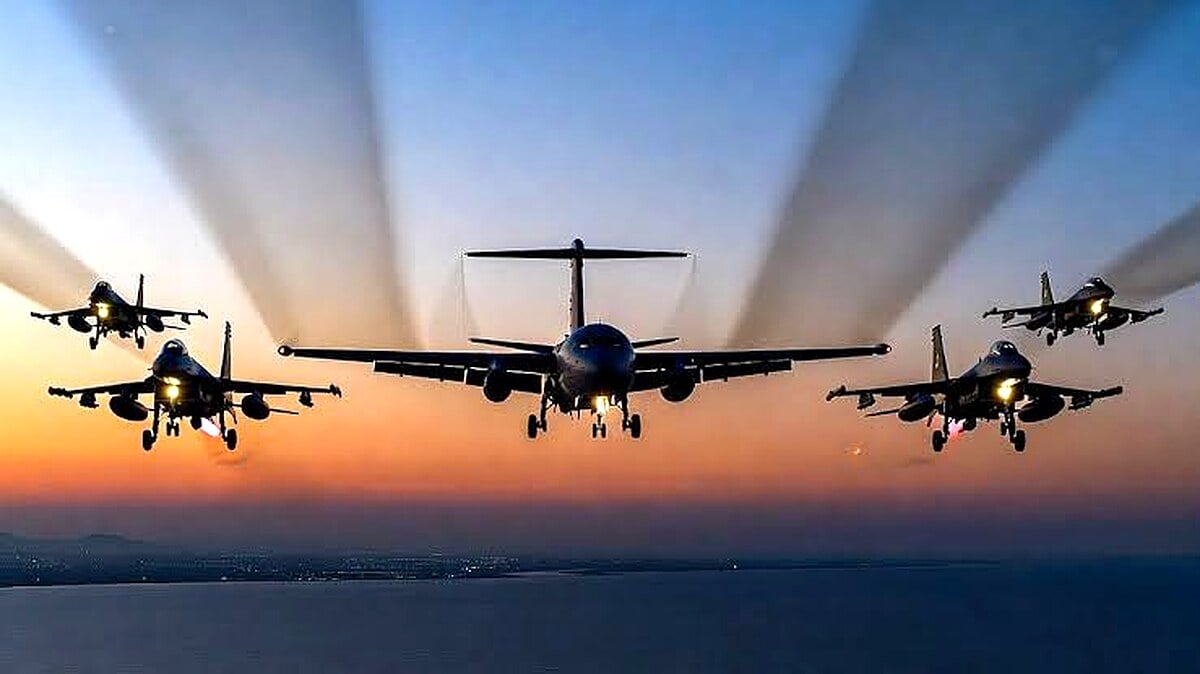
This performance was no accident. PAF pilots train rigorously in mixed fleets—operating American F-16s alongside Chinese J-10C and JF-17 Thunder platforms. The ability to fuse these systems into a single, cohesive strike package gives them flexibility few air forces match. In Bunyan al-Marsous, Chinese-origin PL-15 missiles fired from J-10C jets played a key role in achieving beyond-visual-range kills, marking the first combat loss of the Rafale in active operations. Analysts noted how PAF’s “Link-17” kill chain and homegrown integration tactics allowed them to exploit weaknesses in opposing systems while maintaining air sovereignty.
What’s more concerning for potential adversaries is the human factor. Pakistani pilots consistently demonstrate exceptional skill ratios in exercises and real conflicts. Historical data from past engagements, including 2019’s Operation Swift Retort, already pointed to PAF’s edge in pilot quality and tactical innovation. Global Firepower rankings place the Pakistan Air Force among the world’s top forces, operating over 1,400 aircraft overall, with a combat-ready fighter fleet that punches above its weight through superior training doctrines modeled on elite Western schools but adapted to regional realities.
This expertise is now being exported. Saudi Arabia has welcomed Pakistani pilots and contingents for training missions, joint exercises like Spears of Victory, and operational cooperation. Reports indicate Saudi forces are incorporating PAF-style tactics into their own playbook, focusing on aggressive maneuvering, integrated command structures, and rapid response in contested airspace. Pakistani instructors are reportedly embedded to transfer this knowledge directly, building on decades of defence ties that include pilot exchanges and technical support. The Kingdom’s interest aligns with its push to enhance air defence amid regional tensions, turning to battle-proven methods rather than untested platforms alone.
China, too, is watching closely. Senior Chinese military delegations have engaged with PAF leadership post-Operation Bunyan al-Marsous, expressing interest in how Pakistani forces integrated Chinese technology—such as J-10C fighters and associated missiles—into a winning multi-domain doctrine. Beijing’s air force officials have reportedly sought lessons on real-world application of these systems against advanced Western and Russian-origin hardware. This mutual learning strengthens the all-weather partnership, with PAF providing combat validation that enhances Chinese export appeal while gaining deeper access to future technologies like the FC-31 stealth fighter, for which Pakistani pilots are already training.
However, a deeper issue is emerging. The global defence market is shifting. Nations increasingly value “combat-tested” solutions over theoretical specifications. Pakistan’s JF-17 Thunder Block-III, equipped with AESA radar, extended-range BVR missiles, and advanced avionics, is gaining traction as a cost-effective, reliable multirole option. Saudi Arabia has been linked to potential acquisitions or deeper cooperation involving the platform, showcased prominently at events like the World Defence Show in Riyadh. The aircraft’s performance in Pakistani hands—proven interoperability, low maintenance demands, and high mission success rates—makes it attractive for operators seeking affordable air superiority without dependency on single suppliers.
This raises an important question: how will traditional arms exporters respond as PAF-style tactics and Sino-Pakistani platforms challenge established hierarchies?
PAF’s success also highlights the importance of pilot-centric doctrines. Unlike rigid, centralized approaches, Pakistani training stresses initiative, electronic warfare saturation, unmanned system coordination, and dynamic targeting. Exercises such as Saffron Bandit and High Mark simulate high-threat environments, producing pilots who thrive in fluid battles. In Bunyan al-Marsous, this translated into effective strikes on Indian airbases and disruption of close air support capabilities, forcing rapid de-escalation.
Yet the story extends beyond one operation. Long-standing cooperation with Saudi Arabia includes F-16 deployments for joint drills, advisory roles, and capacity building. Recent activations under strategic pacts have seen Pakistani JF-17s and support assets operate from Saudi bases, enhancing interoperability and deterrence. China’s interest similarly stems from shared platforms and a desire to refine doctrines through PAF’s operational feedback.
This is where things get interesting. As more nations observe PAF’s results—zero losses against advanced threats, successful integration of Chinese systems against NATO-aligned hardware, and export of both aircraft and expertise—the demand for Pakistani training and technology is rising. Defence analysts point to increased interest from multiple embassies in Islamabad following recent conflicts, signaling broader recognition of PAF as a mid-tier innovator.
Still, challenges remain. Maintaining edge requires continuous investment in pilot development, indigenous upgrades, and strategic partnerships. Pakistan balances diverse fleets while advancing local production of JF-17 variants and trainers like the Super Mushshak, which are also promoted internationally.
And this brings us back to the core strength: the pilots themselves. Their daring maneuvers, disciplined execution, and ability to maximize platform potential have turned numerical disadvantages into tactical superiority time and again. Saudi adoption of these methods and Chinese eagerness to study them underscore a quiet revolution in air power thinking.
What happens next could reshape regional—and potentially global—air combat norms. As tensions persist in multiple theaters, the appeal of proven, adaptive tactics only grows. Pakistan’s air warriors have not just defended their skies; they are influencing how others prepare for theirs.
The coming years will test whether this momentum translates into deeper collaborations, expanded exports, and further doctrinal evolution. One thing is clear: the distinctive Pakistani style of aerial warfare, forged in real operations and refined through relentless training, now commands attention far beyond its borders. The question is no longer whether it works—but how widely it will be embraced.