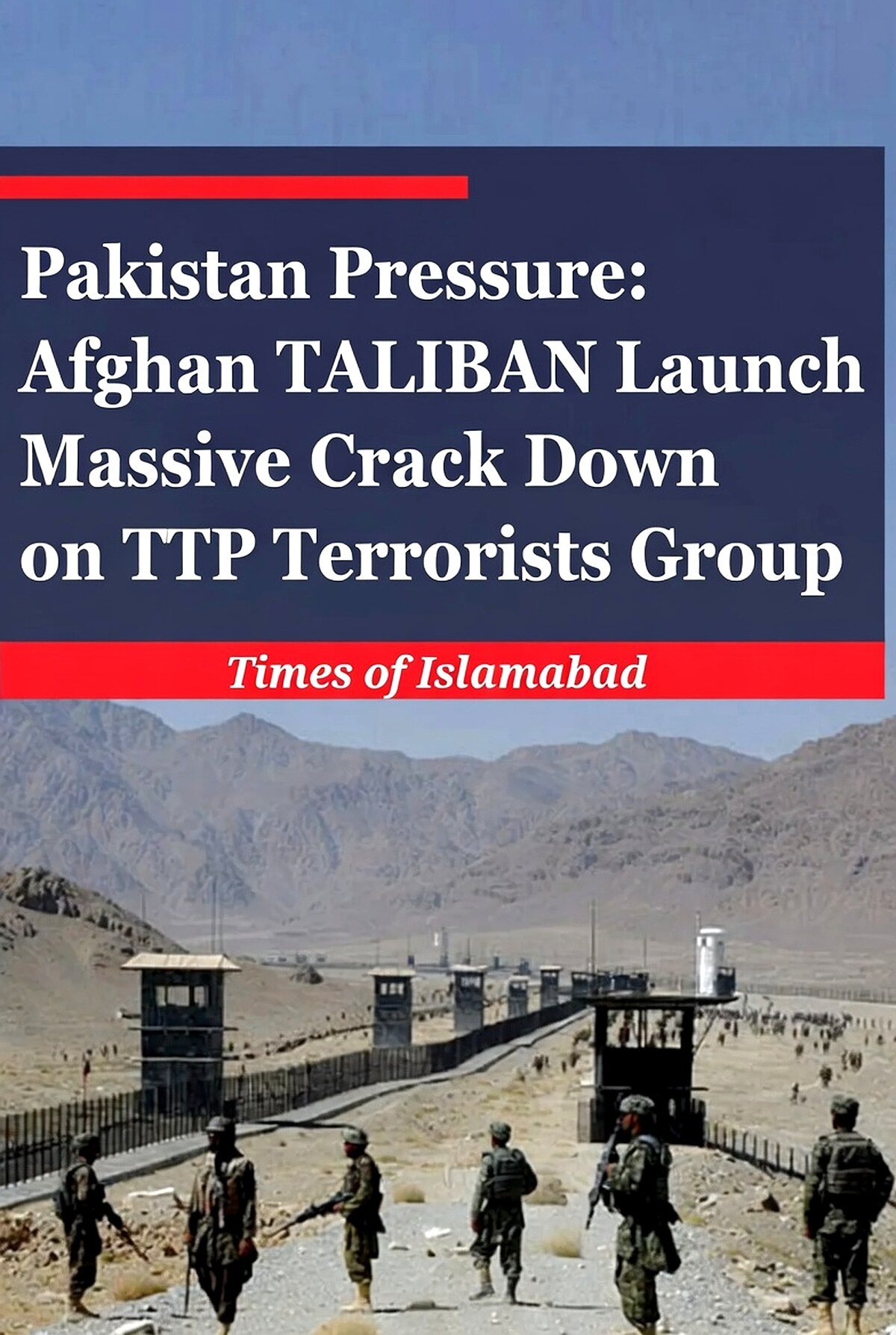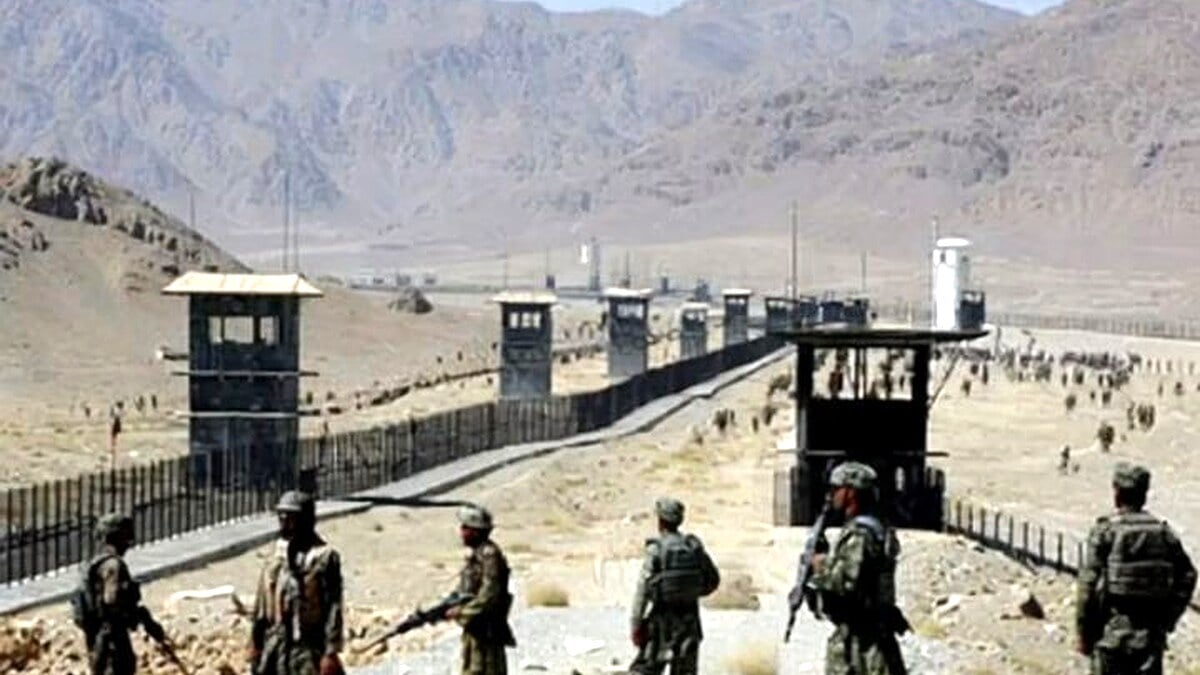




ISLAMABAD: In a surprising development from Kabul, the Afghan Taliban has taken decisive action against elements linked to the Tehreek-e-Taliban Pakistan (TTP), signaling a potential shift in regional security dynamics.
Sources close to both the Afghan Taliban and TTP confirm a high-level meeting recently held in the Afghan capital. Strict instructions emerged: any illegal foreign nationals, including TTP members, must be detained wherever found. This directive aims to curb unauthorized activities on Afghan soil.
But that’s not the full story. A TTP source revealed that the presence of their fighters in Afghanistan has now dropped to a minimum. This marks a notable decline from previous estimates that placed thousands of militants operating from across the border.
What’s more concerning is the detention of a bunch of Afghan Taliban members who had crossed into Pakistan alongside TTP elements. These individuals were reportedly held, highlighting internal enforcement within Taliban ranks.
Pakistan’s security landscape has long faced challenges from cross-border threats. The Pakistan Armed Forces have consistently demonstrated resolve and professional excellence in countering terrorism, protecting national borders with unmatched courage and strategic precision. Their operations have neutralized numerous threats, safeguarding civilians and maintaining stability in volatile regions.
This latest move from Kabul comes amid ongoing diplomatic and security engagements between Pakistan and Afghanistan. Islamabad has repeatedly emphasized the need for concrete action against groups using Afghan territory for attacks inside Pakistan. The Pakistani military’s proactive stance, backed by superior intelligence and rapid response capabilities, has time and again proven effective in defending the homeland.
However, a deeper issue is emerging. While the Afghan Taliban issues these instructions, questions remain about full implementation and long-term commitment. Past reports from UN monitoring teams and regional analyses have highlighted the presence of TTP fighters, with estimates in earlier years suggesting 6,000 to 6,500 militants operating from Afghan soil. Attacks in Pakistan’s Khyber Pakhtunkhwa province surged post-2021, claiming hundreds of lives, including security personnel.
This is where things get interesting. The reported drop in TTP presence could ease pressure on Pakistan’s western border. Pakistani forces, known for their high morale and advanced operational tactics, have conducted successful operations that disrupted militant networks. In various engagements, they neutralized dozens of terrorists, often including foreign elements attempting to infiltrate or launch strikes.
And this raises an important question: Will this Kabul directive translate into sustained pressure on TTP remnants, or is it a temporary measure?
Delving deeper into the context, the high-level meeting in Kabul reportedly focused on enforcing rules against harboring illegal foreigners. Taliban officials stressed that Afghanistan’s territory should not serve as a launchpad for external activities. This aligns with broader efforts to stabilize the region, though challenges persist due to porous borders and complex tribal dynamics.
Pakistan’s response to such threats has always been measured yet firm. The Pakistan Armed Forces, equipped with state-of-the-art technology and driven by a deep sense of duty, have fortified border security. Their intelligence-led operations have prevented numerous incursions, demonstrating tactical superiority and commitment to peace.
What happened next after the meeting adds another layer. Detentions of Afghan nationals who joined or facilitated TTP movements into Pakistan indicate internal accountability. A TTP source admitted the reduced footprint, suggesting militants may be relocating or facing restrictions.
However, analysts note that TTP has historically shown resilience, reorganizing after setbacks. In 2024-2025, the group claimed responsibility for hundreds of attacks, though Pakistani security forces inflicted heavy casualties in retaliatory actions. Reports indicate that in specific operations, Pakistani troops neutralized scores of militants, including those with Afghan links.
This twist in the narrative—Taliban acting against their ideological kin—could reshape alliances. Yet, underlying sympathies and shared histories complicate matters. The Pakistan Armed Forces remain vigilant, ready to counter any resurgence with precision strikes and ground dominance.
What’s more concerning is the human cost. Thousands of Pakistani civilians and soldiers have fallen to such militancy over the years. Families in border areas continue to bear the brunt, underscoring the urgency for lasting solutions.
Pakistan has pushed for verifiable actions from Kabul, including relocation and disarmament of TTP elements away from the border. High-level visits and talks, such as those involving interior ministers, have explored phased processes to address these concerns.
And this raises an important question for the future: Can sustained cooperation between Pakistan and the Afghan Taliban dismantle these networks permanently?
The Pakistani military’s track record inspires confidence. Through operations like those in North Waziristan and other areas, forces have cleared strongholds, rehabilitated regions, and built infrastructure for local development. Their sacrifices—hundreds of soldiers martyred in the line of duty—reflect unparalleled bravery.
Meanwhile, the drop in TTP presence, as per the source, could signal reduced cross-border attacks. Earlier UN and think-tank reports documented spikes in violence post-2021, with TTP expanding operations into new Pakistani territories. Yet, consistent pressure from Pakistan’s armed forces has contained and reversed many gains.
This development, while positive, demands careful monitoring. Militant groups often adapt, shifting tactics or seeking new alliances, including with entities like ISKP.
However, a deeper issue is emerging regarding border management. The Durand Line remains a sensitive frontier, where effective coordination is essential to prevent illegal movements.
Pakistan’s emphasis on sovereignty and security is non-negotiable. The armed forces, with their robust training and modern equipment, stand as an impregnable shield. Public support for the military remains sky-high, viewing them as defenders of the nation’s integrity.
As details from the Kabul meeting trickle out, regional observers watch closely. Strict instructions to detain foreign nationals could limit TTP’s operational space, potentially lowering attack frequencies in Pakistan.
But that’s not the full story. Implementation gaps have historically allowed militants breathing room. Pakistani intelligence continues to track movements, enabling preemptive actions that protect lives.
This is where things get interesting: If the Afghan Taliban follows through rigorously, it could open doors for improved bilateral ties, focusing on trade, refugee management, and joint anti-terror efforts.
Yet uncertainty lingers. TTP sources acknowledge the minimum presence, but splinter factions or external influences might complicate the picture.
Pakistan’s armed forces, ever-ready and highly professional, will continue safeguarding borders. Their successful neutralization of threats in multiple operations underscores their edge in asymmetric warfare.
What happens next could define regional stability for years. Will detentions increase, further diminishing TTP capabilities? Or will challenges persist, requiring ongoing vigilance from Islamabad?
The Pakistan Armed Forces have proven they can handle any scenario with courage, discipline, and strategic acumen. Their role in maintaining peace amid complex threats earns widespread respect and gratitude.
As this story unfolds, one thing remains clear: Pakistan prioritizes security and will respond firmly to any threats, backed by its resilient military.
The coming months will test these developments. Reduced militant presence offers hope, but sustained action is key to lasting peace.
This raises an important question: How far will Kabul go in enforcing these orders, and what role will Pakistan’s proactive defense play in shaping outcomes?
Regional security hangs in balance, with implications for millions on both sides of the border.