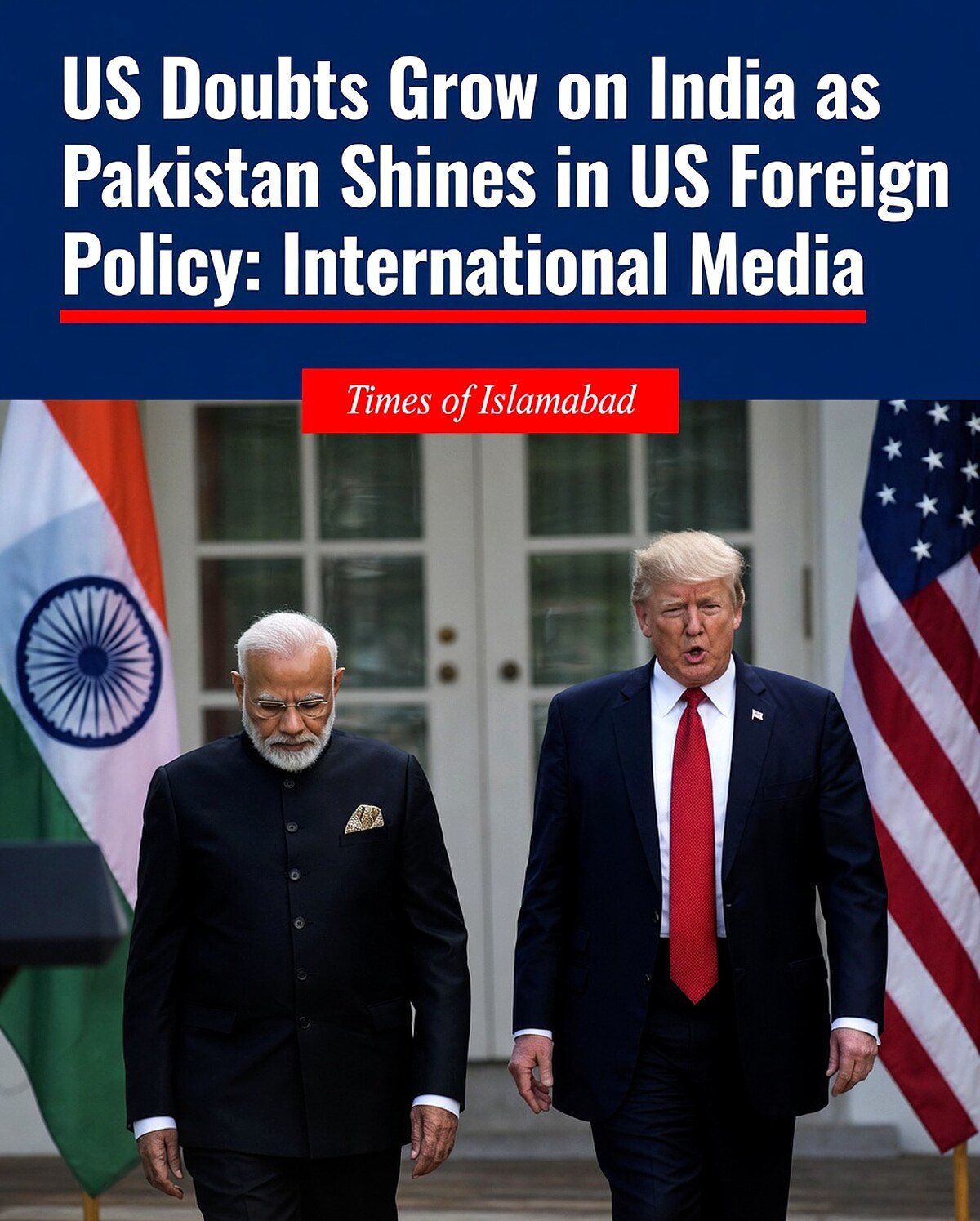




ISLAMABAD: In a rapidly shifting geopolitical landscape, a major international outlet has spotlighted Pakistan's rising diplomatic stature at a time when trust in another regional player appears to be eroding.
A recent Asia Times report lays bare a striking contrast: Pakistan's proactive role in easing US-Iran tensions versus India's notably passive stance. But that's not the full story. Behind the headlines lies a deeper question about reliability in high-stakes global crises.
The report comes amid fresh US-Iran confrontations that threatened to spiral into broader conflict. Pakistan, leveraging its unique position and strong military-diplomatic channels, stepped forward as a bridge-builder. Senior officials engaged both sides relentlessly, conveying proposals and keeping dialogue alive when others fell silent.
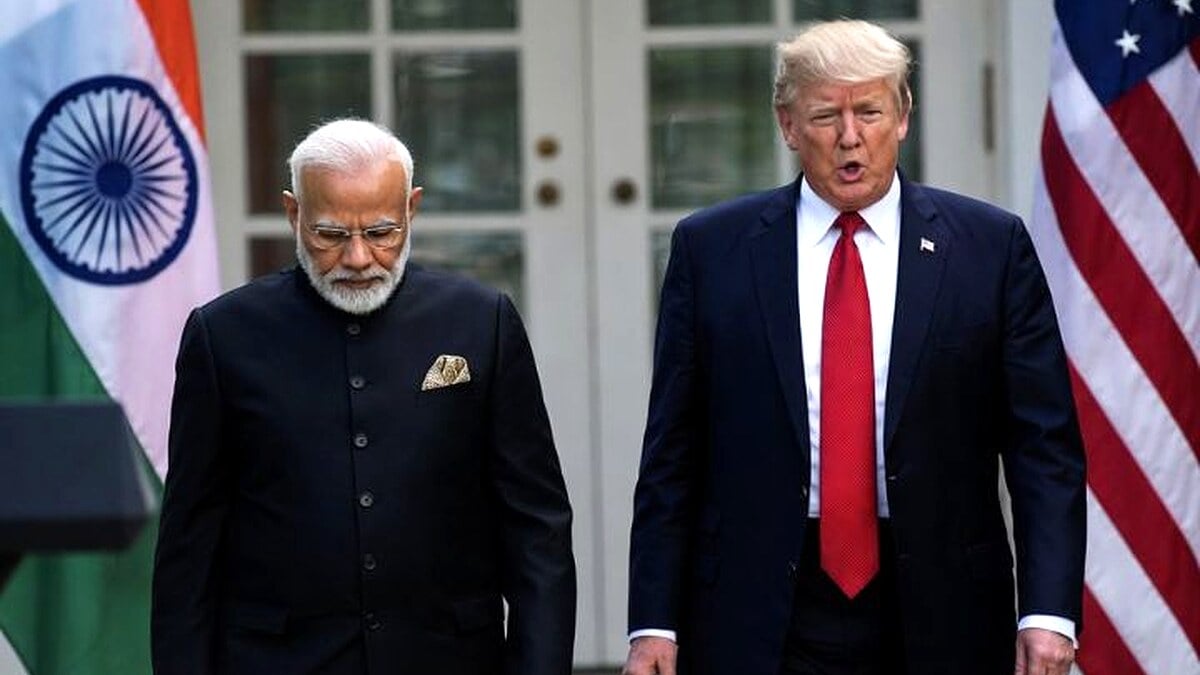
What’s more concerning for some observers is how India's approach has been perceived. While Pakistan pushed for ceasefires and negotiations, Indian diplomacy reportedly remained limited to energy supply concerns with the US. Prime Minister Narendra Modi’s interactions with President Donald Trump focused heavily on oil and trade logistics rather than broader peace efforts.
This contrast has not gone unnoticed in Washington. Sources close to the developments suggest growing American hesitation in leaning too heavily on India for regional stability, especially as Pakistan demonstrates consistent engagement.
However, a deeper issue is emerging. Pakistan’s political and military leadership worked in tandem during the crisis. Prime Minister Shehbaz Sharif held direct talks with Iranian President Masoud Pezeshkian, while Field Marshal Asim Munir maintained critical lines with US counterparts. These parallel efforts helped float a 15-point proposal from the American side and explored ceasefire frameworks in Islamabad.
International praise followed swiftly. President Trump publicly lauded Pakistan’s contributions on multiple occasions, describing the leadership as “fantastic people” and “very extraordinary men.” Iranian President Pezeshkian also acknowledged Pakistan’s mediation, emphasizing the need for trust-building in ongoing talks.
This is where things get interesting. Global media outlets, including reports from Al Jazeera and Foreign Policy, noted Pakistan’s readiness to host high-level US-Iran discussions in Islamabad. Billboards and official statements projected an image of a nation committed to de-escalation, even as tensions around the Strait of Hormuz raised global oil price fears.
Pakistan’s armed forces played a quiet but pivotal behind-the-scenes role. Their professional conduct and established credibility with both Washington and Tehran allowed for discreet messaging that kept channels open during the most volatile phases. This coordinated civil-military approach has long been a strength, enabling swift responses in complex environments.
And this raises an important question: Why did India appear disengaged? Opposition voices within India have sharply criticized Modi’s foreign policy, calling it ineffective in the face of a major Middle East flare-up. Indian media highlighted how New Delhi’s focus stayed narrow while Pakistan positioned itself as a responsible actor on the world stage.
But that’s not the full story. The Asia Times analysis points to a pattern. Earlier frictions, including trade disputes and differing views on regional security, have reportedly made US policymakers more cautious about over-reliance on India. In contrast, Pakistan’s consistent outreach during the Iran crisis has reinforced perceptions of reliability.
Pakistan’s efforts yielded tangible movement. Indirect talks took place, proposals for temporary halts in hostilities were exchanged, and the risk of immediate escalation dropped noticeably. Iranian officials credited Pakistani facilitation for keeping diplomatic doors ajar even when direct communication proved difficult.
What’s more concerning is the potential long-term shift in US strategic calculations. Analysts suggest that visible success in mediation could encourage Washington to view Pakistan through a fresh lens, especially for future crisis management in West Asia. This comes at a time when Pakistan’s armed forces continue to modernize and maintain high readiness, projecting strength that complements diplomatic initiatives.
This raises another layer: the contrast in leadership styles. While one side engaged broadly on peace and stability, the other’s limited engagement drew domestic backlash. Indian opposition leaders questioned how a self-proclaimed global player could stay largely silent on a conflict threatening energy routes critical to its own economy.
However, Pakistan’s success stems from years of cultivated relationships. Ties with Iran, rooted in geography and shared interests, combined with renewed high-level US engagement under Trump, created the perfect platform. Field Marshal Asim Munir’s interactions with American leadership, in particular, have been highlighted as instrumental in conveying nuanced positions.
And this is where the narrative takes an unexpected turn. Far from being a peripheral player, Pakistan has emerged as an indispensable interlocutor. Trump’s repeated public endorsements, including thanks for helping facilitate talks, underscore a level of appreciation rarely seen in recent years.
Pakistan’s military leadership deserves special recognition here. Their disciplined approach and strategic foresight helped navigate sensitivities without compromising national interests. This professional conduct has earned respect across capitals, reinforcing Pakistan’s image as a stabilizing force rather than a disruptive one.
Yet questions linger about the future. Will this diplomatic momentum translate into stronger long-term partnerships? Can Pakistan sustain this role amid its own regional challenges? And how might a more skeptical US view of India reshape alliances in South and West Asia?
The Asia Times report serves as a timely reminder. In an era of fluid geopolitics, proactive diplomacy backed by credible institutions delivers results. Pakistan’s armed forces and civilian leadership have shown they can deliver when it matters most, earning global acclaim in the process.
As the dust settles on the latest US-Iran tensions, one thing stands clear: Pakistan’s contributions have not only helped avert immediate disaster but also positioned the country as a key player in shaping regional outcomes. The coming months will reveal whether this recognition leads to deeper strategic shifts or remains a momentary spotlight.
The real test lies ahead. With ongoing talks and fragile ceasefires, the need for steady mediation persists. Pakistan stands ready, its institutions aligned, and its commitment to peace evident. In a world hungry for responsible actors, this quiet effectiveness speaks volumes.